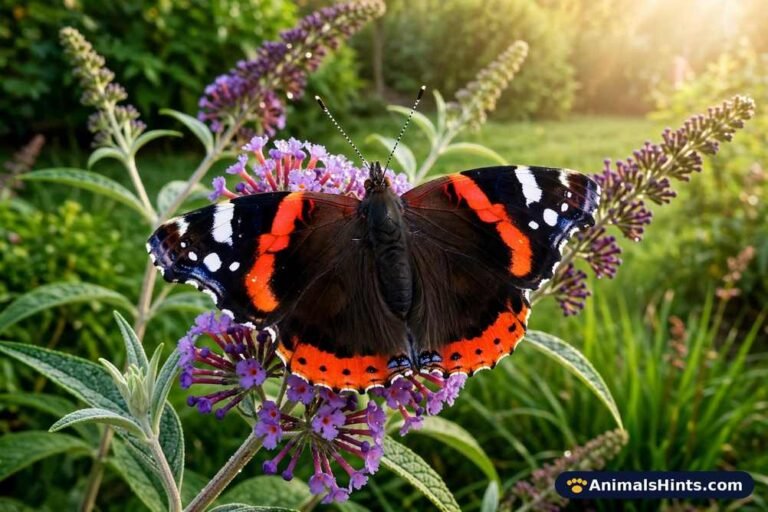
Color Pink Spiritual Meaning: Symbolism, Psychology, Shades and Dreams
The color pink spiritual meaning is built on a dilution: take red, the loudest colour in the spectrum, and soften it with white until the urgency drains out and the warmth stays. What remains is the shade the modern symbolism tradition reads for tenderness, compassion and affection offered without a ledger — a meaning assembled from cherry blossom, dawn skies, newborn nurseries and one very famous ribbon, rather than handed down from any ancient colour code.
That distinction matters on this page, and it is kept throughout. Pink has a documented history — a flower that gave the colour its name, a laboratory shade once claimed to pacify prisoners, a breast-cancer campaign that began with a peach ribbon on a dining-room table — and it has a symbolism, held by the modern genre that writes about such things. The record is stated as record. The symbolism is stated as symbolism. Where the popular telling of this colour races ahead of either one, the correction is printed instead.
What follows takes the colour in order: what pink actually is, as flower, light and pigment; the twelve meanings assigned by tradition, taken one at a time; its shades from baby pink to magenta; its psychology, including the famous calming claim and what later research did to it; how cultures and religions have used it; its dreams; its chakra; and what the Bible genuinely contains on the subject — which turns out to be an exact and useful answer.
What Does the Color Pink Symbolize?
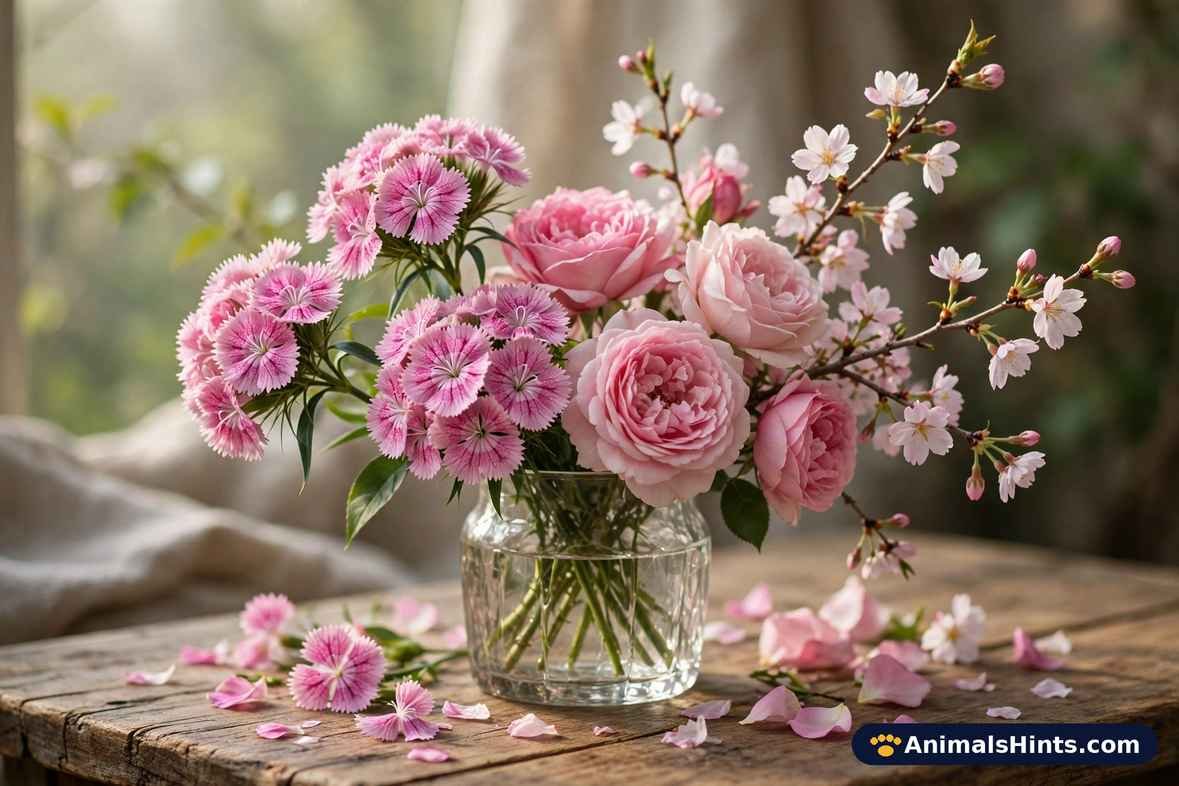
Pink symbolises red with the volume turned down. In the symbolism tradition, diluting the spectrum’s most urgent colour with white is read as passion converted into care: the same warmth, offered gently instead of demanded loudly. Hence the genre’s summary for pink runs to affection rather than desire — tenderness, kindness, emotional safety and a love presented as unconditional because it is pictured as giving without keeping score.
The colour’s natural exhibits support the reading the tradition built on them. Pink is the colour of skin flushing, of blossom that lasts a fortnight, of the sky at the two moments of the day nobody calls harsh. It reads as approachable in a way its parent colour does not: where the red spiritual meaning announces, pink invites. Modern angel lore adds an attendant figure — the Archangel Chamuel, linked in that literature with loving relationships — and that addition is filed here at the strength it deserves: a figure of contemporary devotional writing, not of any older canon.
One bound belongs at the head of the subject. Almost everything in the paragraphs above is young. Pink’s reign as the colour of girls, romance and softness is largely a twentieth-century settlement, and the spiritual vocabulary now attached to it is younger still. None of that makes the meanings fake — people genuinely hold them, and this page reports them fully — but they are a modern tradition’s meanings, and they are labelled that way wherever they appear below.
Why Is Pink Pink? A Colour Named After a Flower
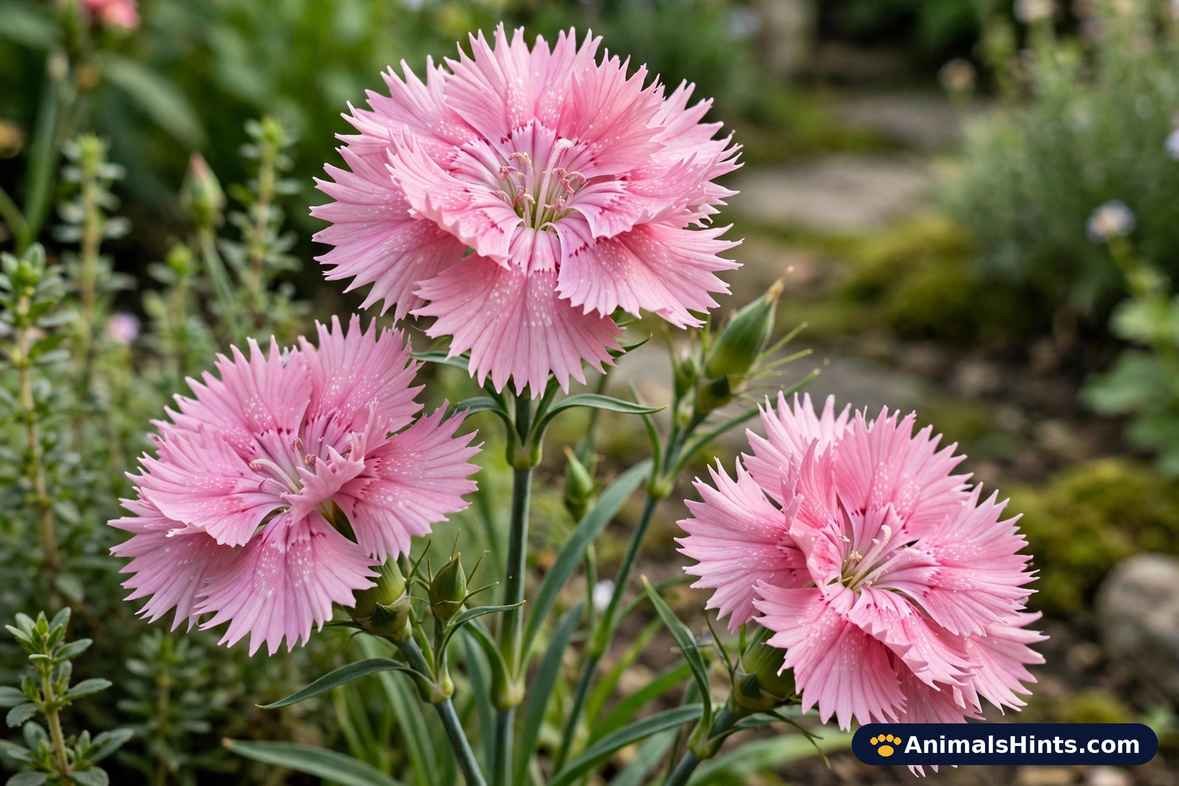
Pink is the second colour in this family named after a living thing rather than a substance or a sensation, and the only one named after a flower-bed staple. The colour takes its name from the pinks — the flowering plants of the genus Dianthus, carnations among them — whose petals carry a frilled, notched edge. Behind the flower stands an older verb: to pink, in English since the fourteenth century, meant to pierce or decorate with a punched pattern, and it survives today in the pinking shears that cut a zigzag through cloth. The flower was named for its cut edge; the colour was named for the flower. The word arrived as a colour name only in the late seventeenth century, which makes pink one of the youngest basic colour words in the language — In the sequence Berlin and Kay mapped for how languages build colour vocabularies, it belongs to the last group to arrive, in the company of purple, orange and grey.
As light, pink is not a wavelength but a dilution. There is no pink stripe in the rainbow: the eye reports pink when red light reaches it lightened, the spectral red raised toward white. Pigment does the same thing by mixture. Every pink object in ordinary life — petal, fabric, painted wall — is red persuaded downward, and the tradition that reads pink as gentleness is, unknowingly, describing the physics as it actually works: this really is strength with some of the force taken out.
Nature makes the colour by several unrelated routes, and the differences matter later in this article. Blossom pink is petal pigment. Dawn pink is scattered sunlight. The famous animal pink, the flamingo’s, is neither — it is a food pigment, eaten and redeposited, and it can be lost. A colour arrived at by so many different roads was always going to collect more than one meaning.
Psychology of Wearing Color Pink
Colour psychology treats pink as the spectrum’s peacemaker, and the portrait the genre paints of the person who wears it follows from that: approachable, warm, emotionally open, read by others as kind before a word is spoken. Lighter pinks are associated in this literature with calm and cooperation; the saturated end — hot pink, magenta — keeps the warmth but adds display, and is read as confidence rather than comfort. The tradition’s account of the pink-leaning personality runs to people who prize harmony, dislike confrontation, and put relationships ahead of contests — with the genre’s usual shadow attached: a wish to keep the peace can slide into avoiding necessary friction, and sweetness performed for too long curdles into sentimentality. Hold the portrait at genre strength. It is a convention of colour writing, not a measurement, and no favourite shade has ever diagnosed anybody.
One claim in this section, though, was actually put to the test, and its history deserves telling at full length because colour sites usually print only the first chapter. In the late 1970s, researcher Alexander Schauss reported that a particular vivid shade — mixed to a formula and named Baker-Miller pink, after the directors of a naval correctional facility in Seattle — temporarily reduced hostile and aggressive behaviour. The facility painted holding cells with it in 1979, and the Navy’s account recorded no incidents of erratic or hostile behaviour during the initial confinement period after the change, with about fifteen minutes of exposure said to be enough. Cells, drunk tanks and visiting teams’ locker rooms were painted in the shade across the United States and Europe on the strength of it.
The later chapters are less tidy, and they are the reason this article will not tell you pink calms people. A controlled study by Gilliam and Unruh conflicted with the claimed effects on heart rate and strength. At a county jail in California, incidents rose rather than fell across the pink months after an early dip. And in 2015, Genschow and colleagues published the most careful replication attempt: fifty-nine male prisoners assigned at random to pink or grey cells, rated for aggression on arrival and after three days. Aggression fell in both rooms over the three days — and the colour made no difference at all. The fair summary is that Baker-Miller pink is a fascinating, genuinely tested claim whose original results later research has not confirmed. Pink may well feel restful to you; feelings need no replication. But “proven to suppress aggression” is a stronger sentence than the evidence now carries, and it is not printed here as fact.
What psychology can say without strain is narrower and still interesting: pink is culturally loaded, and the load is recent. Into the nineteenth century, pink was worn by boys as a smaller man’s red; the now-automatic pink-for-girls settlement hardened only in the middle of the twentieth century, helped along by post-war marketing and, scholars argue, by Barbie’s arrival in 1959. A colour whose gender meaning flipped inside living memory is a useful reminder that colour psychology mostly measures what a culture has lately agreed to feel.
12 Spiritual Meanings of the Color Pink
The dozen entries that follow are the list the modern symbolism tradition standardly gives for this colour, kept in the genre’s usual order. Each is a belief the tradition holds, reported as such — and where a meaning leans on something checkable, a stone, a chakra, a design system, the check is printed inside the entry rather than left to a footnote.
1. Compassion and Divine Tenderness
The root meaning of the colour, and the one the rest lean on. Pink is read as compassion made visible: mercy that arrives softly, help offered without a lecture attached. In devotional writing this becomes divine tenderness — the picture of a sacred love that stoops rather than commands. Read personally, the meaning is a discipline as much as a comfort: to meet your own failures, and other people’s, at the temperature pink sets.
2. Emotional Healing and Self-Acceptance
Pink’s second meaning takes the first one inward. The tradition reads this colour as the emotional register of recovery — grief metabolised rather than denied, self-criticism answered with patience instead of punishment. Its stock instrument belongs here and is labelled for what it is: rose quartz, the pale pink variety of quartz, is the crystal tradition’s designated stone of love and self-compassion, carried and kept as a reminder object. That is a role assigned by modern crystal practice. The stone itself is silicon dioxide with a blush; the meaning belongs to that genre, and is labelled accordingly.
3. Love and Heart Chakra Energy
The list’s central claim, and the one this page handles most carefully, because two different systems are usually blurred into one sentence here. In modern spiritual writing, pink is the colour of the heart’s tender register — love as affection and forgiveness rather than desire. The chakra half of the claim gets its own full section below, where the layering is set out properly: the modern rainbow scheme assigns the heart chakra green, pink circulates as a newer alternative for the same centre, and the classical Sanskrit description is different again. What can be said inside this entry is the genre’s own position, stated as the genre holds it: pink is the shade modern writers reach for when they want the heart’s love without its heat.
4. Friendship and Harmony
Not all of pink’s love is romantic or divine, and the fourth meaning covers the everyday kind: friendship, goodwill between colleagues and neighbours, the small diplomacy that keeps households and workplaces peaceable. The tradition pictures pink as the colour of the repaired quarrel and the unforced apology. It is the least mystical entry on the list and, in practice, probably the most used.
5. Tenderness and Femininity
Pink is the modern emblem of the feminine in the gentle register — softness, receptivity, care — and the tradition reads the association as an honouring of those qualities in anyone who carries them. The history section of this page has already given the necessary bound: the pink-equals-feminine equation is about a century old, reversed before that, and still argued about. The meaning stands as the modern tradition holds it. It should not be mistaken for an eternal one.
6. Youth and Playfulness
Blossom lasts a fortnight, and pink borrows the brevity as charm. The sixth meaning reads the colour for the young and the young-spirited: first affection, unembarrassed delight, the stage of life before irony sets in. In the genre’s counsel this is the meaning aimed at adults — a standing invitation to recover play without embarrassment, and to treat lightness as a skill that can be relearned rather than a trait that expires.
7. Spiritual Connection Between Heart and Soul
The list’s most abstract entry. Pink is pictured in modern writing as a bridge colour — feeling on one side, spirit on the other — used in meditation imagery to represent the moment an emotion is offered upward and becomes devotion. There is no older system behind this one to check; it is contemporary spiritual writing describing its own picture. Printed at exactly that strength, it is a fair account of how the colour is actually used in practice today.
8. Symbol of New Beginnings
Pink opens things. It is the colour of dawn before the sun commits, of the first blossom on a bare branch, of the nursery painted before anyone has met its occupant. The tradition claims it for beginnings of the tender kind specifically: the relationship after the guarded years, the gentler chapter after a hard one, recovery’s first normal week. Where white’s beginnings are blank, pink’s are warmed — a start with affection already in it.
9. Color of Compassion and Pure Joy
A deliberate near-repeat of the first meaning, kept because the tradition insists on the distinction: the first entry is compassion as mercy toward suffering; this one is compassion ripened into joy — delight taken in other people’s good fortune, celebration without envy. The genre pairs it with gratitude practice. Two entries circling one virtue is this list’s way of saying the virtue is the colour’s whole centre of gravity.
10. Nurture and Warmth
Pink stands, in this entry, for the feeling of being looked after: the blanket, the lap, the kitchen where somebody is fed without being asked. The tenth meaning extends the register from infancy to every age’s need for shelter, and turns it into an instruction in both directions — accept care without treating it as debt, and give it without keeping accounts.
11. Divine Feminine Energy
The tradition’s theological entry. Pink is assigned, in modern goddess spirituality, to the divine feminine: the creative, receptive, life-holding aspect of the sacred, pictured in mothers and goddesses and the cycles of birth and renewal. This is a living devotional framework for many practitioners and a recent construction as a system; both things are true, and the entry is printed with both labels on. Its documented neighbours — a goddess genuinely enthroned on a pink lotus — appear in the culture section below, at record strength.
12. Feng Shui Harmony and Peace
The list closes in the home. In feng shui practice, pink is used as a softening, yin colour, placed where relationships are lived — bedrooms and shared rooms — with the southwest, the bagua area that system assigns to love and partnership, as its classic address. Print the claim as what it is: a working convention of a design tradition, followed by millions of households, not a measured effect of paint. Within that system, pink’s job is to lower the temperature of a room’s arguments before they start.
Shades of Pink and Their Spiritual Significance
Pink is a scale of dilution, and its shades read as one colour at different distances from red. The warm end of the family runs through coral toward the color orange spiritual meaning; the five shades the tradition names as its own are these.
Light Pink
The family’s quietest member: innocence, first tenderness and calm in the tradition’s reading. Light pink is pink as reassurance — the shade chosen where the message is safety rather than celebration, and the one the genre recommends for spaces meant for rest and recovery.
Baby Pink
The nursery shade, and the reading follows the room: new life, softness, protection of the defenceless. Baby pink is the colour a culture paints around its most vulnerable members, and the tradition reads the room as much as the colour — this shade stands for care at its most instinctive, before it has learned to be complicated.
Rose Pink
The flower’s own shade, deeper than the nursery and short of display. Rose pink is read as mature affection: love with some seasons on it, romance that has survived familiarity. It is quite literally the rose’s own shade, the one lovers have handed each other for centuries, and it carries that whole history of use as its meaning.
Hot Pink
Pink at full volume. Hot pink keeps the family’s warmth and drops its modesty: confidence, appetite for attention, celebration that wants to be noticed. In the tradition it is self-love in its extrovert form — the shade that insists tenderness and boldness are not opposites.
Magenta
The family’s border post, where pink leans toward violet and red at once. Magenta is read as the transformative shade: intensity with a spiritual tilt, the colour of the family’s edge rather than its centre. Readers whose eye is caught at this end of the scale are often really being caught by the neighbouring family, whose own guide is this site’s purple butterfly meaning.
Pink in the Animal World: The Flamingo’s Borrowed Colour

This site’s readers meet pink most memorably on a bird, and the flamingo’s pink is the most instructive colour story in the animal kingdom, because it is not the bird’s own. Flamingos hatch grey. The rosy plumage arrives from food: the algae and tiny crustaceans they filter from shallow water carry carotenoids — the pigment family that colours carrots — and enzymes in the bird’s liver break those compounds down into pink and orange molecules that are then laid into growing feathers, skin and beak.
Because the colour is deposited rather than built in, it has to be maintained. A flamingo that stops taking in carotenoids grows paler feathers at the next moult, and captive birds faded toward white until zoos learned to supplement the diet with the missing pigments. Parent birds can even drain visibly while feeding chicks, pouring their reserves into the young and regaining colour afterwards. Nature’s pinkest animal, in other words, wears a colour it must keep earning — a diet made visible. The symbolism writers never planned that lesson, but it is the truest thing on this page: in the living world, pink is not a trait. It is a practice, renewed daily or lost.
Cultural and Religious Significance
Pink’s cultural record is unusually well documented for a colour this young, and its strands pull in instructively different directions.
- Western culture. Pink in the West runs on romance and, lately, on reclamation. It is Valentine’s colour and the nursery’s, then — through the campaign told below — a colour of public solidarity; and in contemporary use it is increasingly worn precisely to argue with the softness assigned to it. The strand’s record, in short, is a colour the West has changed its mind about more often than about any other, most recently within living memory.
- Japan. The documented Japanese pink is a flower with a calendar. Cherry blossom — sakura — blooms across the country each spring in a wave tracked on national forecasts, is celebrated at hanami gatherings under the trees, and is read in Japanese culture as beauty inseparable from brevity: the blossom is treasured because it falls within days. Pink here is not primarily about love at all. It is about paying attention while something lovely is still present.
- Hinduism. The Hindu strand has a throne in it. Lakshmi, goddess of prosperity and fortune, is portrayed in the iconography standing or seated on a pink lotus, lotuses in hand — the flower as the seat of divine abundance. Pink in this register is not softness but auspiciousness: beauty that carries blessing with it.
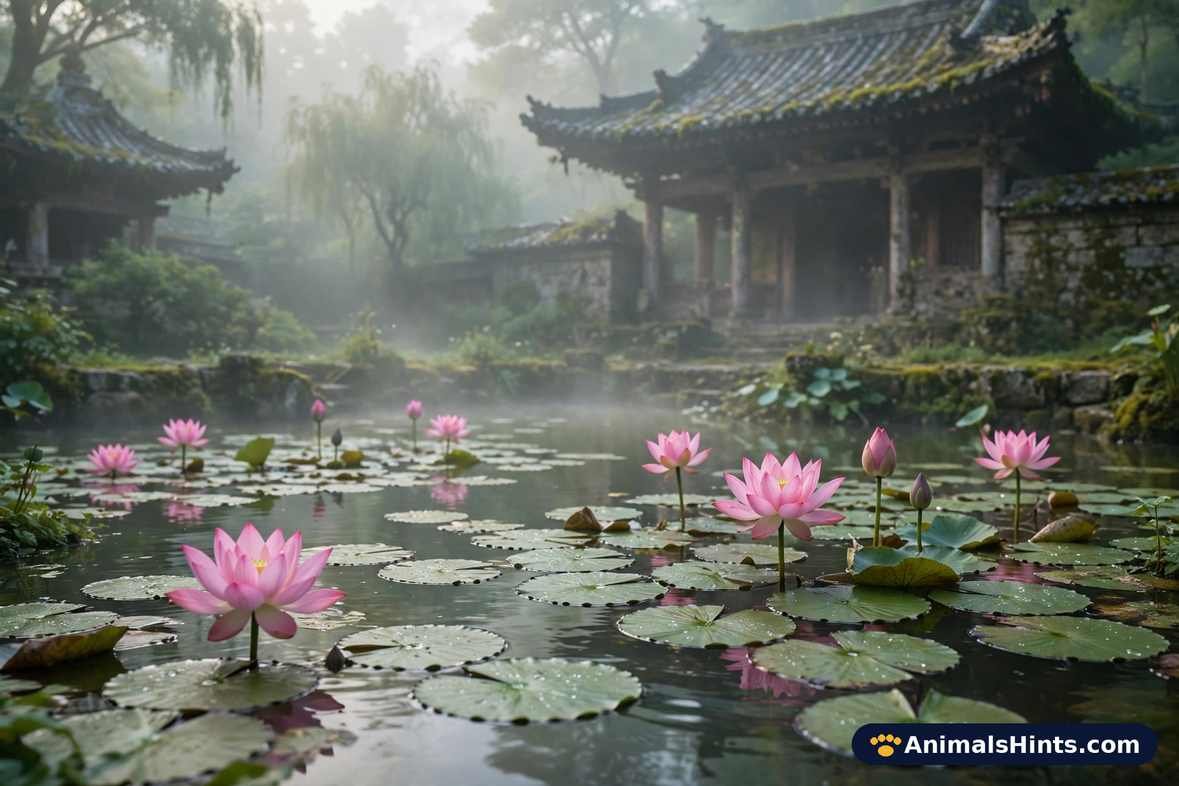
- Buddhism. The Buddhist record shares the flower and raises its rank. In the colour symbolism attached to the lotus, the pink lotus is held the supreme lotus, the Buddha’s own — the emblem of the highest awakening, the bloom that opens unstained from muddy water. Where the Western strand reads pink downward, toward the nursery, this one reads it upward, toward enlightenment.
- Christianity. Christianity’s pink is real but precisely bounded, and its correct name is rose. Rose vestments may be worn on exactly two Sundays of the Catholic year — Gaudete Sunday, the third Sunday of Advent, and Laetare Sunday, the fourth Sunday of Lent — where the colour marks joy breaking into a penitential season; both Sundays are named for rejoicing. That is a documented liturgical use of a pink-family colour with a defined meaning, and it is worth more than the vague claims of pink’s holiness that circulate without it. What Christianity does not have is a doctrine of the colour pink itself — the Bible section below shows why none could be quoted.
- The pink ribbon. The colour’s most consequential modern meaning began, documented, as a protest in a different colour. In 1991 Charlotte Haley, a breast-cancer survivor in California, began making peach-coloured ribbon loops by hand and attaching them to cards demanding that more of the cancer budget go to prevention. Self magazine and Estée Lauder’s Evelyn Lauder approached her about taking the ribbon national; Haley declined, judging the project too commercial. On legal advice to choose another colour, the magazine and the company chose pink, and in the autumn of 1992 Estée Lauder counters handed out an estimated 1.5 million pink ribbons. The pink ribbon has been the emblem of breast-cancer awareness ever since — a meaning made in a single season, by named people, for a stated cause. It is the strongest proof on this page that colour meanings are not only inherited. They can be founded.
Interpretations of Dreaming About the Color Pink
Dream dictionaries are folklore, and what follows is written in that register throughout — but pink’s dream folklore is unusually consistent, because it simply carries the waking symbolism of tenderness and new affection into sleep.
- Pink appearing in a dream. Read in the standard dream tradition as affection arriving or returning: a softening in a relationship, self-acceptance under way, an emotional season warming. The lighter the pink, the calmer the reading.
- Wearing pink clothes. Read as a wish to be seen gently — the dreamer presenting the tender self on purpose, or, in the dream-lore’s finer telling, feeling exposed in it. Who chose the clothes in the dream decides which.
- A pink sky or pink light. Borrowed from the waking sky: dawn pink reads as beginning and relief, a room filled with pink light reads in the angelic strand of the folklore as comfort and protection near at hand.
- Hot pink or overwhelming pink. Read through the colour’s saturated end: strong feeling asking for expression, or affection tipping into idealisation — the folklore’s caution that love in the dream, as in life, can be over-sweetened.
Color Pink and the Chakra
This is the section where colour pages most often merge three different things into one confident sentence, so the three are set out separately here, in the open.
The modern association is genuine: in contemporary spiritual writing, pink is widely linked with the heart chakra, usually presented as that centre’s softer or higher register — unconditional love rather than everyday affection. If you practise in a modern studio or read modern energy writing, pink at the heart is the association you will meet, and this page files it under its proper heading: the modern layer, held widely and recently.
The modern standard is different. The tidy rainbow scheme that most chakra charts print — the seven centres matched to the spectrum in order — assigns the heart chakra, Anahata, the colour green: the fourth colour for the fourth centre. Pink does not displace it on those charts; it circulates alongside as the newer alternative, which is why this site’s own account of the centre’s colour lives with the green spiritual meaning. The competitor tradition itself concedes the ordering when it calls green the traditional heart colour and pink its higher vibration — a ranking invented by the modern layer, not found beneath it.
The classical record is different again. Beneath the Western system stands a Sanskrit source, Purnananda’s Ṣaṭ-Cakra-Nirūpaṇa, whose heart lotus is described as the colour of the bandhuka flower — a deep red bloom — with vermilion letters on its twelve petals and a smoky region of air within. Neither green nor pink appears in that description. Held apart, the three layers keep their value: a classical image, a modern chart and a contemporary devotion, each entitled to its own name. Merged into “pink has always been the heart chakra’s colour,” they become an error, and this article does not print it merged.
What the Bible Actually Says About Pink
For pink, Scripture’s record fits inside a single sentence, and anyone can check it: the word “pink” does not occur in the King James Bible at all. Search the whole text and the count comes back zero — and the instrument can be trusted, because the identical search finds the word “scarlet” fifty-two times and “crimson” five. The result could hardly be otherwise. The English colour name dates only to the late seventeenth century, decades after the KJV was printed, and the translators’ world named its reddish range with other words entirely.
Those nearest words matter, because modern lists of “the biblical meaning of pink” are usually built by quietly repainting them. Scarlet and crimson in Scripture are saturated reds — dyestuff colours, costly and vivid — and their most famous verse keeps them firmly in the red family: “Come now, and let us reason together, saith the LORD: though your sins be as scarlet, they shall be as white as snow; though they be red like crimson, they shall be as wool” (Isaiah 1:18, KJV). The verse’s power depends on the depth of the red it promises to wash out. Reading it as a text about pink does not honour it more; it reads it less accurately.
So the devotional use of pink — gentleness, divine love, the softened heart — should be owned for what it is: a modern meditation built beside the text, not a teaching drawn from it. The rose Sundays in the culture section show the honest form of such a thing, a church practice with dates and names attached. A list that presents pink as a biblical colour is selling a certainty that no record backs, and readers deserve the record instead: no pink in the text, a magnificent red in its place, and a modern devotion that is welcome to stand — labelled as modern.
How to Use Pink’s Meaning in Everyday Life

No colour on this site is easier to overdo than pink, and none rewards a measured hand more — which is the same lesson its psychology taught.
At home, let pink do accent work. Cushions, a throw, flowers on the table, one wall in a room meant for rest: the colour’s register is welcome, and welcome is an accent’s job. A whole interior in saturated pink fights itself the way an all-black spiritual meaning one can; set it against neutrals and let grey spiritual meaning tones give it somewhere quiet to sit, or against the earth register of the color brown spiritual meaning, which keeps pink grown-up. The bedroom is its feng shui home ground and its psychological one too — the room where the colour’s associations with rest and affection cost nothing to enjoy.
In the wardrobe, pink is a decision about how you want to be met. Pale pink opens conversations; hot pink starts them. Wear the first where trust is the goal and the second where being remembered is. With objects, follow the genre’s own instrument honestly: a piece of rose quartz on a desk is a reminder you have given yourself, and reminders work by being seen at the right moment — that is a true and sufficient account of its power, no stronger claim required.
Above all, use the colour the way its two best-documented stories use it. The ribbon founders chose it deliberately, for a purpose, and said what the purpose was. The blossom-watchers of Japan use it as a calendar for attention. Pink placed on purpose — a room softened for someone recovering, a flower given while it can still be enjoyed, a ribbon worn where it will be asked about — carries the whole tradition in a single gesture.
Final Thoughts
Pink is the youngest colour in this family and the one with the most paperwork. A flower gave it a name in the seventeenth century; a prison study gave it a legend in the twentieth, which later research politely declined to confirm; a woman at a dining-room table gave it a rival in peach, and a magazine gave it, in pink, the most successful awareness emblem ever worn. Underneath the paperwork sits the simple physical fact the tradition built on: red, lightened — strength with the force taken out, warmth that invites instead of insisting.
Hold the colour’s meanings at the strength kept throughout this page. Take the tenderness, the friendship and the fresh beginnings at full value, as the living modern tradition that holds them. Keep the layers labelled — the chart’s green heart, the classical red lotus, the modern pink devotion — and let the checked record do the persuading: blossom that lasts a fortnight and is loved the more for it, a goddess on a pink lotus, two rose Sundays in a penitential year, and a bird that must eat its colour daily or fade, the way every flamingo quietly demonstrates that gentleness, too, is maintained by practice or not at all.
Frequently Asked Questions
What does the color pink symbolize spiritually?
Spiritually, pink symbolises tenderness, compassion and a love pictured as unconditional — red’s warmth softened by white into care. Modern writing links it with the heart’s gentler register, with friendship, healing and fresh beginnings carried alongside.
How does pink affect our psychology?
Pink is culturally read as calming and approachable, and one vivid shade, Baker-Miller pink, was famously claimed to suppress aggression. Later research, including a randomised 2015 replication attempt, did not confirm that effect — pink feels restful to many people, but the strong claim is unproven.
What does liking pink say about your personality?
In colour-psychology tradition, pink lovers are warm, harmony-seeking and relationship-first — kind communicators who dislike confrontation. Its shadow, in the same literature, is peace bought at any price. Treat it as the genre’s portrait, never as a clinical finding.
How can I use pink’s spiritual meaning in my life?
Work in small doses, and place it deliberately: pink accents in a restful room, the shade worn when you want to be met warmly, flowers given while they can be enjoyed, and the colour chosen deliberately, as the pink ribbon’s founders chose it, to say something specific.