Explore Top 30 Most Shy Animals (With Pictures)
Shy animals are creatures that prefer quiet places and avoid people or danger. They often hide, stay alone, or move away when they feel afraid. Their shy nature helps them stay safe in the wild.
Some animals are much shyer than others. They may hide in trees, forests, grass, or dark spaces. Their quiet habits make them interesting and special to watch.
The most shy animals include red pandas, koalas, deer, quokkas, and slow lorises. They often avoid contact and live peaceful lives. Each animal has unique ways to stay safe.
Read this too: Big eyes animals
List of Most Shy Animals
Here is a complete list of 30 shy animals that prefer to stay out of the spotlight. Each one has its own story of survival through stealth and caution. From the dense forests of Asia to the vast savannas of Africa, these animals have adapted to life in the shadows.
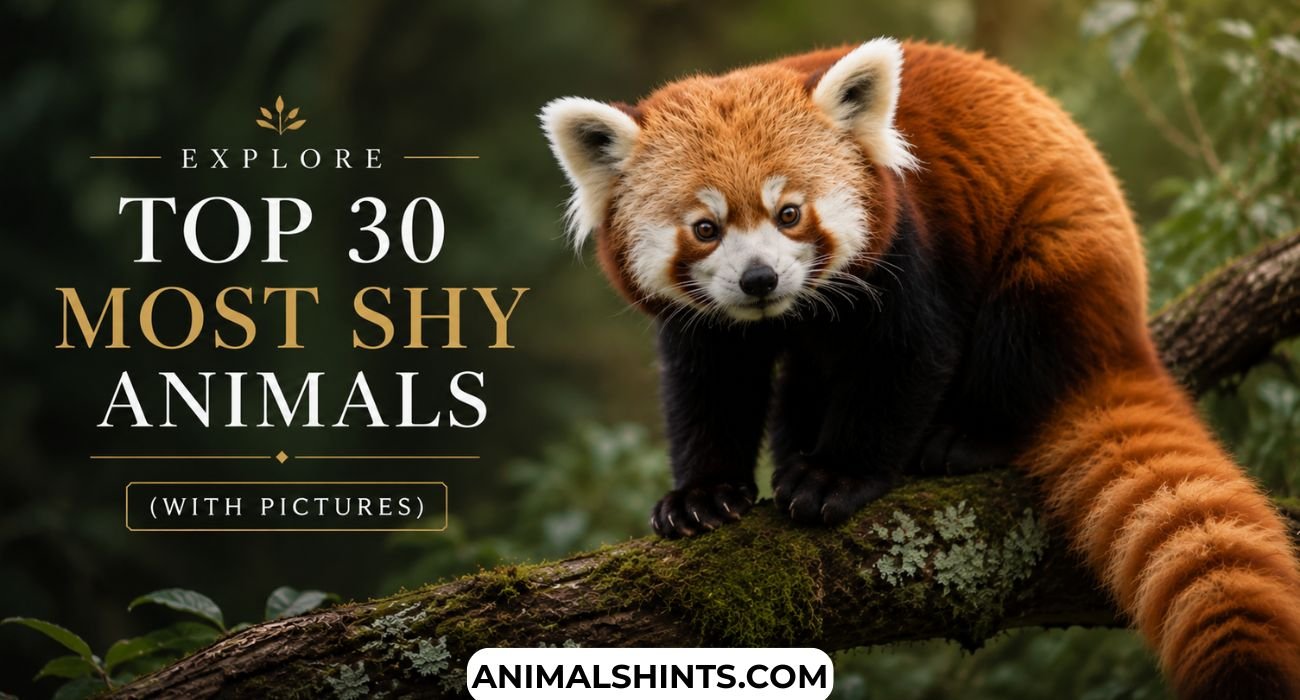
Red Panda
The red panda is often called the “firefox” because of its striking reddish-brown fur. These adorable creatures live in the temperate forests of the Himalayas and southwestern China. Unlike their giant panda relatives, red pandas are nocturnal animals that come alive during twilight hours.
Their shy animals nature makes them masters of hiding. They spend most of their time high in the trees, where their fur blends perfectly with moss-covered branches. Red pandas eat bamboo, fruits, and insects, but they prefer to forage alone.
Biological adaptations like their sharp claws and flexible ankles help them climb with ease. However, their elusive creatures behavior makes it difficult for scientists to study them in the wild. As their forest homes shrink, these gentle beings face growing threats from habitat loss.
Red pandas also have a special thumb-like wrist bone that helps them grip bamboo. This behavioral trait shows how evolution has shaped them for a life in the trees. Their quiet, hidden existence is a beautiful example of nature’s ingenuity.
Koala
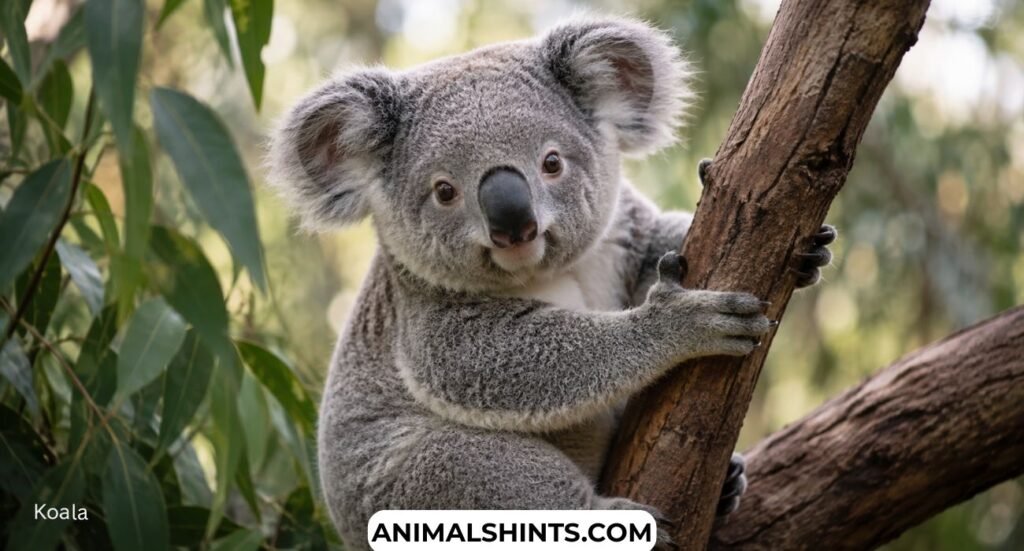
The koala is one of Australia’s most beloved marsupials. These tree-dwelling animals spend up to 20 hours a day sleeping in eucalyptus forests. Their shy animals personality means they avoid humans and prefer the safety of high branches.
Koalas have a diet that is low in nutrients. This explains their slow, sleepy behavior. By staying still and quiet, they conserve precious energy. Their cautious demeanor helps them avoid predators like dingoes and eagles.
While koalas are often seen as cuddly, their solitary lifestyle is essential for survival. They communicate through deep bellows during mating season, but most of the time, they remain silent and hidden. Protecting their natural habitats is critical for their continued existence.
Koalas also have a unique digestive system that allows them to process toxic eucalyptus leaves. This biological adaptation is rare among mammals and shows how specialized these gentle creatures have become.
Tarsier
The tarsier is a tiny primate found in Southeast Asia. With eyes larger than its brain, this creature has incredible night vision. Its shy animals reputation comes from its secretive, solitary life in the dense jungles.
These nocturnal animals hunt insects and small vertebrates using their amazing hearing and sight. They rarely interact with humans or other tarsiers. Their soft calls echo through the forest at night, but they remain almost invisible to predators.
Predator evasion is a key part of their survival strategy. By staying hidden and moving silently, they avoid becoming someone else’s meal. However, deforestation threatens their homes, making conservation efforts more urgent than ever.
Tarsiers can rotate their heads nearly 180 degrees, much like owls. This helps them scan their surroundings without moving their bodies. Their survival instincts are finely tuned to life in the dark.
Meerkat
The meerkat might seem like a social, playful animal, but it also displays shy animals traits when facing danger. These small creatures live in the arid regions of southern Africa. They rely on teamwork to survive, but their caution is always present.
When meerkats encounter unfamiliar situations, they pause and assess the risk. Their animal communication includes a complex system of calls that warn others about predators. This cautious behavior helps them survive in a harsh environment where danger lurks everywhere.
Meerkats dig burrows and live in family groups called mobs. While they are curious by nature, their survival instincts always come first. They freeze, hide, or sound alarms to protect themselves and their young.
Despite their social nature, meerkats are always on alert. Their vigilant behavior is a reminder that even the most outgoing animals have a shy side when it comes to survival.
Aye-aye
The aye-aye is one of the strangest and shyest creatures in Madagascar. This nocturnal lemur has oversized ears and a long, thin middle finger. It uses this finger to tap on trees and find grubs hiding inside.
Shy animals like the aye-aye prefer to stay hidden in the dense forest canopy. They rarely come down to the ground, and they avoid humans whenever possible. Their unique appearance and nocturnal habits make them seem mysterious and otherworldly.
Despite their shyness, aye-ayes are skilled foragers. They rely on their senses to find food in the dark. Unfortunately, local superstitions have led to hunting, and habitat loss continues to threaten their survival.
The aye-aye’s tapping behavior is a rare example of echolocation in primates. This clever foraging method shows how biological adaptations can help elusive creatures thrive in challenging environments.
Slow Loris
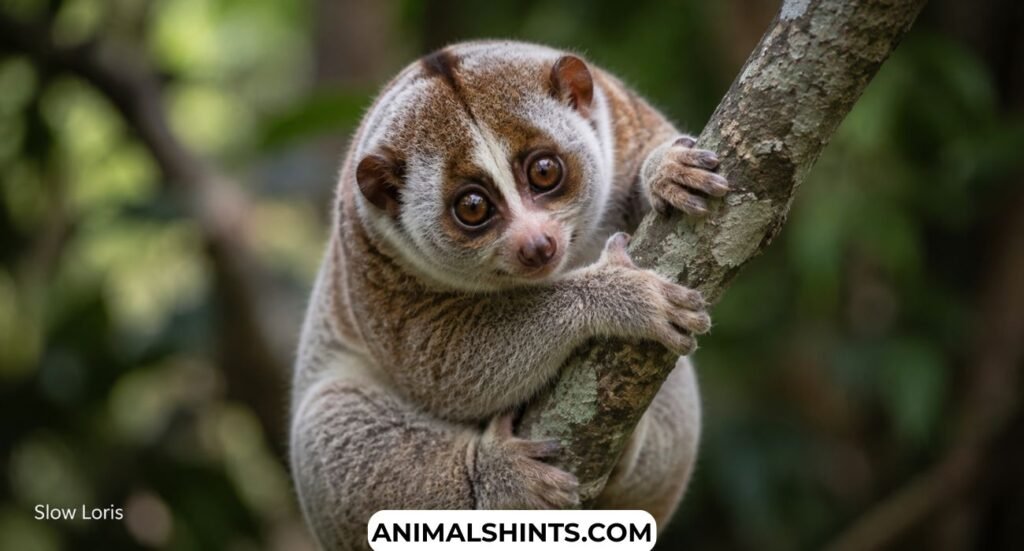
The slow loris is a small primate from Southeast Asia with large, expressive eyes. Its slow, deliberate movements make it one of the most shy animals in the region. This nocturnal animal spends its nights moving carefully through trees.
What makes the slow loris unique is its venomous bite. This is a rare trait among mammalia and serves as a powerful defense mechanism. When threatened, the slow loris can deliver a painful bite to predators.
Sadly, these elusive creatures face serious threats from the illegal pet trade and deforestation. Conservation groups are working hard to protect them, but their timid nature makes them especially vulnerable.
Slow lorises also have a specialized grooming claw on their feet. This helps them maintain their fur and remove parasites. Their quiet, careful lives are a testament to the power of stealth in the wild.
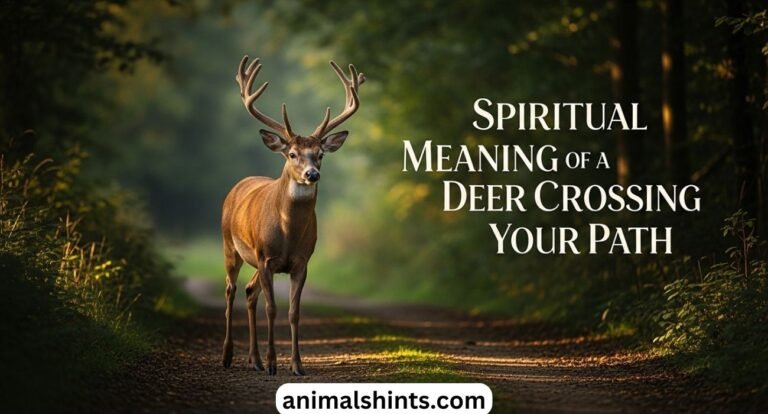
Deer
Deer are elegant animals found in forests and grasslands across the world. Their graceful appearance hides a deeply shy animals personality. They use their sharp senses of vision and hearing to detect danger from afar.
When deer sense trouble, they often freeze to blend into their surroundings. Their natural camouflage helps them stay hidden until it is safe to move. In groups, they use animal communication through body language and soft sounds.
Mother deer teach their fawns to be cautious. This maternal care ensures the next generation knows how to avoid predators. Their cautious demeanor has helped them survive for thousands of years despite constant threats.
Deer also have excellent hearing and can rotate their ears independently. This allows them to pinpoint the source of danger without moving their heads. Their survival strategies are finely tuned to life in open landscapes.
Cheetah
The cheetah is famous for being the fastest land animal on Earth. But did you know they are also among the most shy animals in the big cat family? Unlike lions and leopards, cheetahs prefer to avoid conflict.
These slender predators use their speed to chase prey, but they rarely fight other animals. Their survival strategies include avoiding larger predators like lions and hyenas. Cheetahs hunt during the day when these rivals are less active.
Male cheetahs sometimes form small groups, while females live alone. Their solitary lifestyle and quiet nature make them less aggressive than other big cats. Protecting their natural habitats in Africa and parts of Iran is vital for their future.
Cheetahs also have distinctive tear marks running from their eyes to their mouths. These marks help reduce glare from the sun, improving their vision during hunts. Their behavioral traits show how evolution has shaped them for both speed and stealth.
Red Squirrel
The red squirrel is a lively but nervous creature found in European and Asian forests. Its bright fur and bushy tail make it easy to spot, but it remains one of the most shy animals in the woods.
Red squirrels are territorial and use loud calls to warn others away. They also perform dramatic chases when their space is threatened. Despite this bold behavior, they are cautious and hide from humans and predators.
Their intelligence shows in how they store food for winter. Red squirrels hide nuts in hundreds of locations, relying on memory and smell to find them later. This clever behavior helps them survive when food is scarce.
These squirrels also have excellent spatial memory. They can remember the exact location of hidden food even months later. This behavioral trait is a remarkable example of how timid animals use intelligence to thrive.
Hedgehog
The hedgehog is a small, spiky mammal found across Europe, Asia, and Africa. Its first instinct when scared is to curl into a prickly ball. This defensive move makes it one of the most recognizable shy animals in the world.
Hedgehogs are nocturnal animals that search for insects and worms after dark. They use their excellent sense of smell to find food while staying out of sight. Their defensive mechanisms are so effective that few predators dare to attack.
Despite their shyness, hedgehogs make a surprising range of sounds. They grunt, snuffle, and even chirp to express emotions. These behavioral traits show that even quiet animals have a lot to say.
Hedgehogs also have a unique immunity to certain toxins. This allows them to eat poisonous insects and reptiles that other animals avoid. Their biological adaptations are a fascinating part of their survival story.
Sloth
The sloth is the ultimate symbol of slow and quiet living. Found in the rainforests of Central and South America, these shy animals hang upside down in trees for most of their lives. Their slow movements are not laziness but a clever survival strategy.
By moving slowly, sloths use very little energy. Their natural camouflage comes from green algae that grows on their fur. This helps them blend in with the leaves and stay hidden from predators like harpy eagles and jaguars.
Sloths are mostly solitary, but they do communicate through low-frequency calls. Their quiet existence in the canopy is a reminder that not all creatures need to rush. Protecting their rainforest homes is essential for their survival.
Sloths also have a specialized digestive system that takes weeks to process food. This slow metabolism is a key part of their survival strategies. Their hidden lives are a beautiful example of nature’s diversity.
Saola
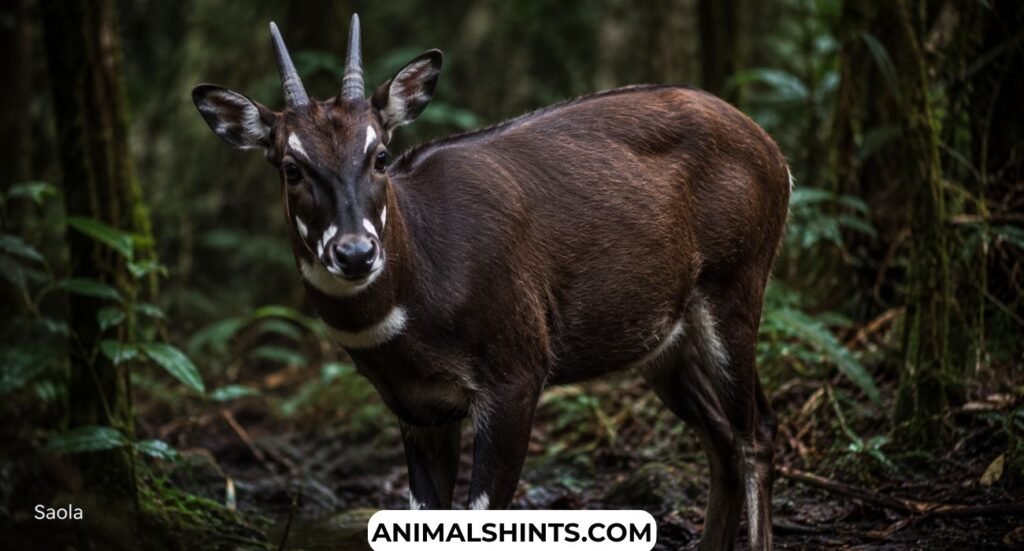
The saola is one of the rarest and shyest mammals on Earth. Living deep in the mountains of Vietnam and Laos, this animal is often called the “Asian Unicorn.” It is so secretive that scientists only discovered it in 1992.
Shy animals like the saola rarely show themselves to humans. They live in dense forests and bamboo thickets, where they remain almost invisible. Their long, straight horns and dark coat make them beautiful but elusive.
Habitat loss and poaching have pushed the saola to the brink of extinction. Conservation groups are working to protect them, but their reclusive animals nature makes research incredibly difficult. Every sighting is a rare gift.
The saola’s discovery was one of the most exciting wildlife events of the 20th century. Yet we still know very little about their behavior or social structure. Their elusive creatures status makes them a priority for conservationists.
Snow Leopard
The snow leopard is known as the “ghost of the mountains.” These magnificent cats live in the rugged highlands of Central Asia. Their thick, smoky-gray fur helps them blend into rocky slopes with ease.
Shy animals by nature, snow leopards are solitary and avoid human contact. They hunt using stealth and patience, often waiting for hours before making a move. Their survival instincts are sharp, but their elusive creatures behavior makes them hard to study.
Climate change and poaching threaten their future. Protecting these timid animals means preserving the fragile mountain ecosystems they call home.
Snow leopards have wide, fur-covered paws that act like natural snowshoes. This adaptation helps them walk on snow without sinking. Their biological adaptations are a testament to life in extreme environments.
Read more: Quiet animals
Kiwi
The kiwi is a flightless bird that lives only in New Zealand. Small and round, it is covered in hair-like feathers that look like moss. This appearance helps these shy animals blend into the forest floor.
Kiwis are nocturnal animals that come out after dark to search for food. They use their long beaks and keen sense of smell to find insects and worms underground. Their solitary lifestyle means they mostly forage alone.
Unlike many birds, kiwis do not gather in flocks. Their quiet, hidden lives make them a symbol of New Zealand’s unique biodiversity.
Kiwis also have small, vestigial wings that are hidden beneath their feathers. This evolutionary remnant reminds us that these birds once had the ability to fly. Their biological adaptations are a fascinating part of New Zealand’s natural history.
Quokka
The quokka is often called the “world’s happiest animal” because of its smile. But beneath that cheerful face lies a surprisingly shy animals personality. These small marsupials live on Rottnest Island in Australia.
Quokkas hide in dense bush to avoid predators. When approached, they often freeze, using stillness to stay safe. Their cautious demeanor is an effective way to survive in a world full of dangers.
Despite their shyness, quokkas are curious and sometimes approach humans. However, they still prefer to keep a safe distance. Protecting their island homes is critical for their continued survival.
Quokkas also have a unique ability to survive without fresh water for long periods. They get moisture from the plants they eat, a biological adaptation that helps them thrive in dry conditions.
Dik-Dik
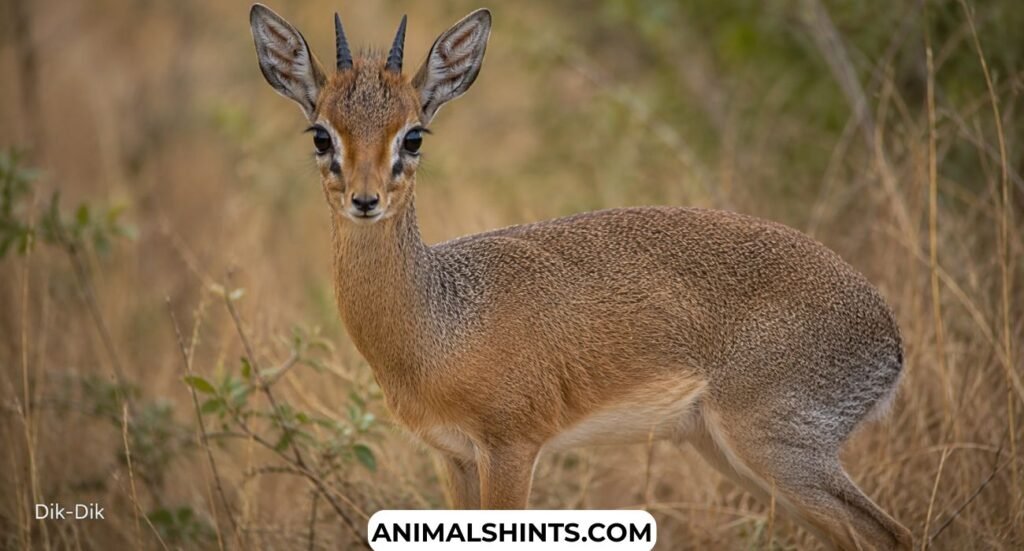
The dik-dik is a tiny antelope from the savannas of East Africa. Standing only as tall as a house cat, these shy animals are experts at staying hidden. Their small size and agility help them slip through tall grass without being seen.
When danger approaches, dik-diks freeze or run in zigzag patterns. This predator evasion tactic confuses attackers and helps them escape. They also form monogamous pairs, staying close to one partner for life.
Their bond is strengthened through mutual grooming and soft whistles. These gentle creatures show that trust and companionship are vital for survival.
Dik-diks have specialized elongated snouts that help them regulate body temperature. This adaptation is crucial in the hot African savanna. Their biological adaptations show how even small animals have clever ways to survive.
Pangolins
Pangolins are some of the most unique and shyest animals on the planet. Covered in overlapping scales made of keratin, they look like walking pinecones. When threatened, they curl into a tight ball for protection.
These shy animals are insectivore creatures that eat ants and termites. They use their long, sticky tongues to reach insects deep inside nests. Their defensive mechanisms are so effective that few predators can harm them.
Sadly, pangolins are the most trafficked mammals in the world. Their elusive creatures nature has not protected them from poaching. Conservation efforts are critical to save these quiet animals.
Pangolins have no teeth and rely on their strong stomach muscles to grind food. This unique digestive system is a remarkable biological adaptation that helps them process insects efficiently.
Maned Wolf
The maned wolf is a striking animal from South America’s grasslands. With long legs and reddish fur, it looks like a fox on stilts. Unlike most wolves, these shy animals prefer to live alone.
Maned wolves travel across large territories but rarely interact with others. They communicate through scent marking and loud howls that echo across the plains. Their solitary lifestyle makes them hard to spot in the wild.
Despite their shyness, they play an important role in the ecosystem. Protecting their natural habitats helps maintain the balance of the region’s wildlife.
Maned wolves also eat fruits, especially a tomato-like berry called the wolf apple. This varied diet helps them survive when prey is scarce. Their survival strategies are flexible and adaptable.
Binturong
The binturong, also called the bearcat, lives in the rainforests of Southeast Asia. It has a long, prehensile tail and thick, dark fur. This shy animal spends most of its time high in the trees.
One of the binturong’s most unique traits is its smell. It releases a scent that reminds people of buttery popcorn. This aroma helps the animal mark its territory and communicate with others.
Despite its shyness, the binturong plays a key role in spreading seeds. Its vulnerable species status makes conservation efforts important for rainforest health.
Binturongs are also excellent swimmers, although they prefer to stay in the trees. This versatility is a key part of their survival strategies in the changing rainforest environment.
Aardvarks
Aardvarks are nocturnal foragers found in the savannas of Africa. Their long, floppy ears and powerful sense of smell help them find underground ants and termites. These shy animals prefer to stay hidden during the day.
Aardvarks are solitary and avoid other animals whenever possible. They dig burrows to sleep in and raise their young. Their survival strategies are based on staying out of sight and using their digging skills to escape danger.
They communicate through low grunts and snorts. These sounds help them interact while remaining mostly invisible to predators.
Aardvarks are surprisingly strong diggers. They can excavate a burrow in minutes, creating a safe space to hide from predators. This ability is one of their most important defensive mechanisms.
Giant Panda
The giant panda is one of the most beloved animals in the world. With its black-and-white fur and round face, it looks cuddly and harmless. But beneath this cute exterior, giant pandas are shy animals that prefer solitude.
Pandas live in bamboo forests in China. They spend up to 14 hours a day eating bamboo, which makes up 99% of their diet. Their solitary lifestyle keeps them away from other animals and humans.
Despite their size, pandas are quiet and cautious. They avoid conflict and use their natural camouflage to stay hidden. Conservation efforts have helped their numbers grow, but they remain a vulnerable species.
Giant pandas have a unique pseudo-thumb that helps them grip bamboo stems. This adaptation makes feeding easier and is a remarkable example of biological adaptations in mammals.
Axolotl
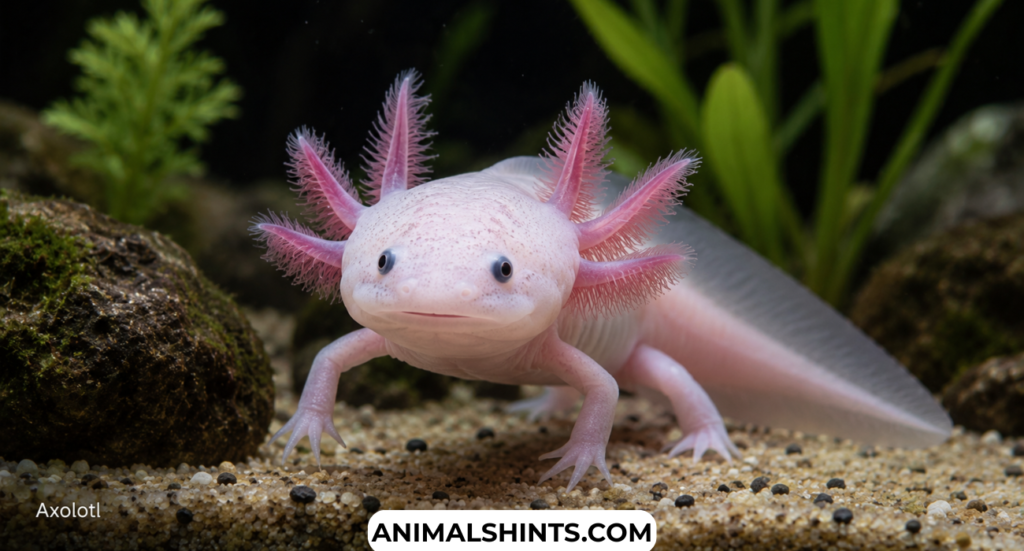
The axolotl is a strange and wonderful amphibian from Mexico. Often called the “Mexican walking fish,” it never undergoes metamorphosis. Instead, it keeps its feathery gills and stays in its larval form for life.
Shy animals like the axolotl prefer to hide in dark, quiet waters. They retreat to safety when disturbed, showing their cautious nature. Their defensive mechanisms include staying still and blending into their surroundings.
Axolotls are also famous for their ability to regrow limbs. This amazing skill makes them important for scientific research. However, pollution and habitat loss threaten their survival.
Axolotls have a unique ability to regenerate not just limbs but also parts of their heart and brain. This incredible power is a key area of study for scientists working on human medicine.
Fossa
The fossa is a predator found only in Madagascar. It looks like a small cougar but belongs to the mongoose family. Despite being a skilled hunter, the fossa is one of the most shy animals on the island.
Fossas hunt lemurs in the treetops using their sharp claws and agility. They are nocturnal animals that move through the forest under cover of darkness. This behavior helps them avoid larger predators and stay hidden.
Their elusive creatures nature makes them hard to study. Protecting Madagascar’s forests is essential for the fossa and the many other unique species that live there.
Fossas have retractable claws like cats, which helps them climb trees with ease. This behavioral trait makes them efficient hunters in the dense jungle canopy.
Kangaroo
The kangaroo is an iconic Australian animal known for its powerful leaps. While they may look bold, kangaroos are actually shy animals that use caution to survive. When threatened, they often freeze and assess the danger before acting.
Kangaroos live in groups called mobs, but they are not always social. Shy individuals often stay on the edges, watching and learning from others. This animal behavior helps them avoid predators and adapt to changing conditions.
Despite their size, kangaroos are gentle creatures that prefer to flee rather than fight. Their survival instincts have made them one of Australia’s most successful animals.
Kangaroos are also excellent swimmers, using their powerful legs to escape danger in water. This versatility is a key part of their survival strategies in the wild.
Giant Anteater
The giant anteater is a strange-looking animal from Central and South America. Its elongated snout and bushy tail make it stand out. But its shy animals nature keeps it out of sight.
Giant anteaters are solitary and roam large areas in search of ants and termites. They have poor eyesight but an excellent sense of smell. This helps them find food while staying hidden from predators.
When threatened, they use their sharp claws to defend themselves. However, they prefer to avoid conflict altogether. Protecting their natural habitats is key to their survival.
Giant anteaters can consume up to 30,000 ants in a single day. Their sticky tongues and powerful claws make them efficient insect hunters.
Okapi
The okapi is one of the most mysterious animals in the world. Found only in the Democratic Republic of Congo, this creature looks like a mix of a zebra and a giraffe. Its zebra-like stripes help it stay hidden in the dense jungle.
Shy animals like the okapi are masters of camouflage. They freeze or retreat into the forest at the first sign of danger. Their large ears and acute hearing help them detect threats from far away.
Okapis were unknown to Western scientists until the early 1900s. Their secretive nature keeps them hidden from most humans. Conservation efforts are needed to protect these gentle herbivores.
Okapis are actually the only living relative of the giraffe. Their long necks and unique ossicones (horn-like structures) are signs of this evolutionary connection.
Fennec Fox
The fennec fox is a tiny desert dweller with huge ears. These ears help it hear prey moving underground and also keep it cool in the Sahara heat. Despite living in extreme conditions, fennec foxes are shy animals that rely on stealth.
Fennec foxes live in family groups and communicate through various sounds. Their timid nature acts as a protective strategy, helping them avoid predators and observe threats from a distance.
Their playful behavior strengthens bonds within the group. This social structure helps them survive in one of the harshest environments on Earth.
Fennec foxes have fur-covered paws that protect them from the hot desert sand. This adaptation also helps them move silently, improving their ability to hunt and hide.
Numbat
The numbat is a small, termite-eating marsupial native to Australia. With its striking striped back and bushy tail, it is one of the most beautiful shy animals on the continent. Unlike many other marsupials, numbats are active during the day.
Numbats are solitary creatures that spend most of their time foraging for termites. They use their long, sticky tongues to extract insects from narrow tunnels. Their cautious demeanor helps them avoid predators like foxes and birds of prey.
Sadly, numbats are endangered, with only a few hundred remaining in the wild. Conservation programs are working to protect their remaining habitats and increase their population.
Capybara
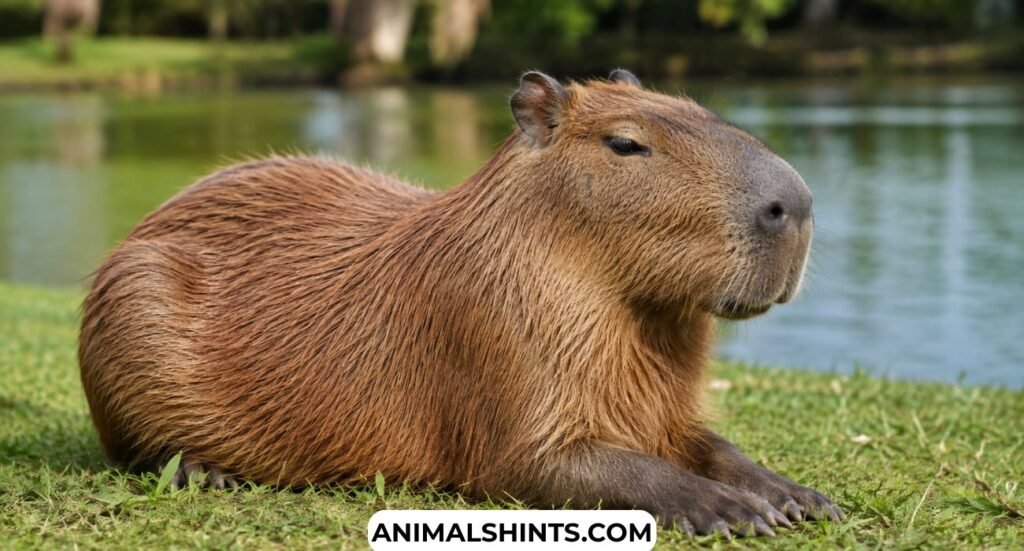
The capybara is the largest rodent in the world, native to South America. Despite its size, this animal is surprisingly shy and gentle. Capybaras live near rivers and wetlands, where they can easily escape predators by diving into the water.
These social animals live in groups, but they are always alert to danger. Their vigilant behavior helps them spot predators like jaguars and anacondas before they get too close.
Capybaras are excellent swimmers and can stay underwater for up to five minutes. This skill is a key part of their survival strategies in the wild.
Why Shyness Matters in the Animal Kingdom
Shyness in animals is not a weakness but a powerful survival strategy. Many species rely on their timid nature to avoid predators and conserve energy. By staying hidden and moving quietly, these elusive creatures reduce their chances of being detected. This cautious behavior has helped countless species survive for millions of years in diverse environments.
Understanding animal behavior through the lens of shyness reveals the complexity of nature. These gentle creatures have developed remarkable biological adaptations that allow them to thrive. Their quiet existence is a testament to the fact that being loud and aggressive is not the only path to survival. Shyness is a beautifully effective evolutionary tool.
See more: The spiritual meanings of dead birds
How Shy Animals Impact Their Ecosystems
Shy animals play vital roles in maintaining ecosystem balance around the world. Even though they stay hidden, their activities shape the environments they inhabit. For example, nocturnal animals like pangolins and aardvarks control insect populations, while herbivores like deer and okapi influence plant growth through their feeding habits.
The solitary lifestyle of these creatures often means they cover large territories, spreading seeds and nutrients across vast areas. Their elusive creatures nature protects them from predators, ensuring their populations remain stable. When we protect these timid animals, we are also safeguarding the delicate web of life that depends on their presence.
FAQ’s
What are the shy 5 animals?
The five shy animals include red pandas, koalas, slow lorises, quokkas, and deer.
They often avoid humans and prefer quiet, safe places.
What animal represents being shy?
The deer commonly represents shyness, gentleness, and a cautious nature.
Its quiet behavior and tendency to flee from danger reflect these traits.
What animal is shy but kind?
The quokka is often seen as a shy yet gentle and friendly animal.
It usually avoids conflict and has a calm, peaceful nature.
Which animal is very silent?
The sloth is one of the quietest animals and spends most of its time moving slowly.
Its calm lifestyle and limited vocalizations make it remarkably silent.
Final Words
Shy animals show us the beauty of quiet and gentle life. Animals like red pandas, koalas, deer, quokkas, and sloths often stay away from danger and busy places. They use calm habits to stay safe in nature. Their peaceful behavior makes them special and interesting. Learning about these animals helps us understand their natural world better.
Shy animals remind us that every creature has its own way of living. Some animals stay quiet, while others hide when they feel unsafe. Their gentle nature deserves care and respect. By watching them from a safe distance, we can enjoy their beauty without causing stress. These animals add wonder and balance to nature.