Yellow Spiritual Meaning: Symbolism, Psychology, Shades and Dreams
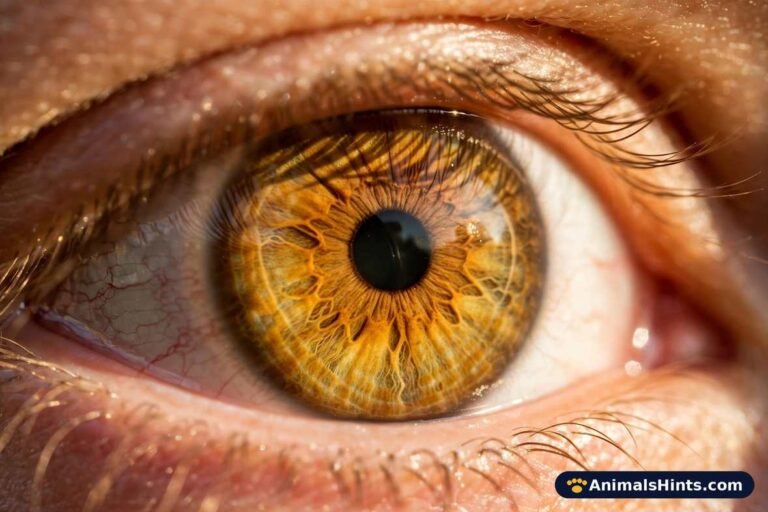
Yellow is the colour of ripe lemons, spring daffodils and the light that fills a room just after sunrise, and the yellow spiritual meaning has gathered around it for just as long as people have painted, prayed and dressed in it. The modern spiritual tradition makes yellow the colour of joy, clear thinking, confidence and the energy of the sun — of a mind awake and a spirit willing to grow. This page works through what the colour is said to symbolize, how wearing it is read psychologically, and the fourteen meanings the tradition attaches to it, then sets those meanings beside the parts of the record that can actually be checked: the science of the colour, the animals that wear it, and what the Bible itself says.
A word of honesty before the meanings begin. Yellow’s spiritual readings are a living tradition, not a set of facts, and they are set down here the way the tradition holds them — associations to reflect on, never promises about what will happen in your life. Yellow also carries a genuine double nature that the cheerful accounts sometimes skip: the same colour linked to happiness has been linked, in documented surveys, to envy, duplicity and caution, and the sections below keep both sides of the colour in view. Read the meanings as a mirror for your own reflection, and leave the rest to the checked record.
What Does the Color Yellow Symbolize?
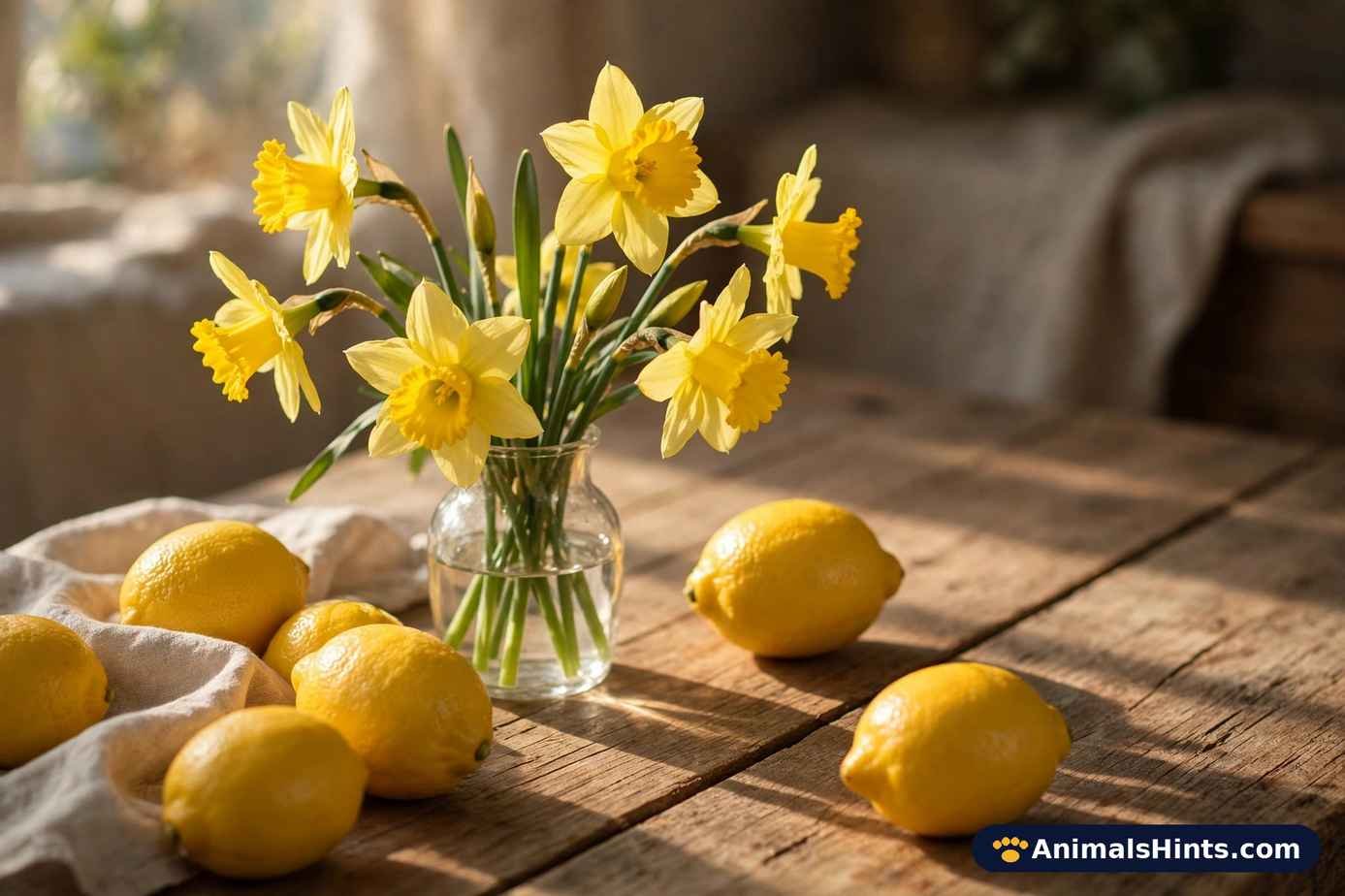
In the symbolism the tradition has built around it, yellow is first of all the colour of light itself — of the sun at its height, of ripening grain and of gold — and so it has come to stand for warmth, plenty and the life that light makes possible. From that root the rest of the symbolism grows: joy and good humour, because a yellow room feels like a sunny one; intellect and curiosity, because the colour seems to sharpen attention; and confidence, because yellow is almost impossible to ignore. The tradition also takes it for the colour of new beginnings — the first flowers of spring are very often yellow — and of spiritual light, the glow that old paintings put around the heads of saints.
The colour’s own history helps explain the warmth of that reading. The English word comes from the Old English geolu, and it descends from the same ancient Indo-European root, gʰel-, that also produced the word gold — yellow and gold have been linguistic cousins for thousands of years, which is one reason the colour borrows so much of the metal’s glow. Yellow ochre, a natural earth pigment, was among the very first colours human beings ever used, ground and painted with long before writing existed.
But an honest account of yellow’s symbolism has to include its shadow, because the shadow is documented rather than invented. Surveys of colour association find yellow linked, at the same time, to amusement, gentleness, humour and spontaneity — and to duplicity, envy, jealousy and greed, and in the United States to cowardice. Medieval Europe dressed betrayal in yellow, and the colour of caution signs and warning tape still trades on the fact that the eye cannot pass it by. The tradition’s own writers acknowledge both faces: yellow is at once the sun’s colour and the warning sign’s, the goldfinch’s and the wasp’s, and which face it shows depends on where and how it appears.
Why Is Yellow Yellow? The Colour the Eye Sees First
Yellow light sits in a narrow, brilliant band of the visible spectrum, at wavelengths of roughly 575 to 585 nanometres, between green and orange. What makes the colour remarkable is not its position but its punch: yellow is the most visible colour from a distance, the one the human eye picks up soonest and at the greatest range. That single physical fact explains a surprising amount of the colour’s human career. It is why safety yellow is the colour of warning signs and high-visibility clothing, why school buses, taxis and road machinery wear it, and why fire engines in many places were traditionally painted yellow — the colour is, quite literally, built to be noticed.
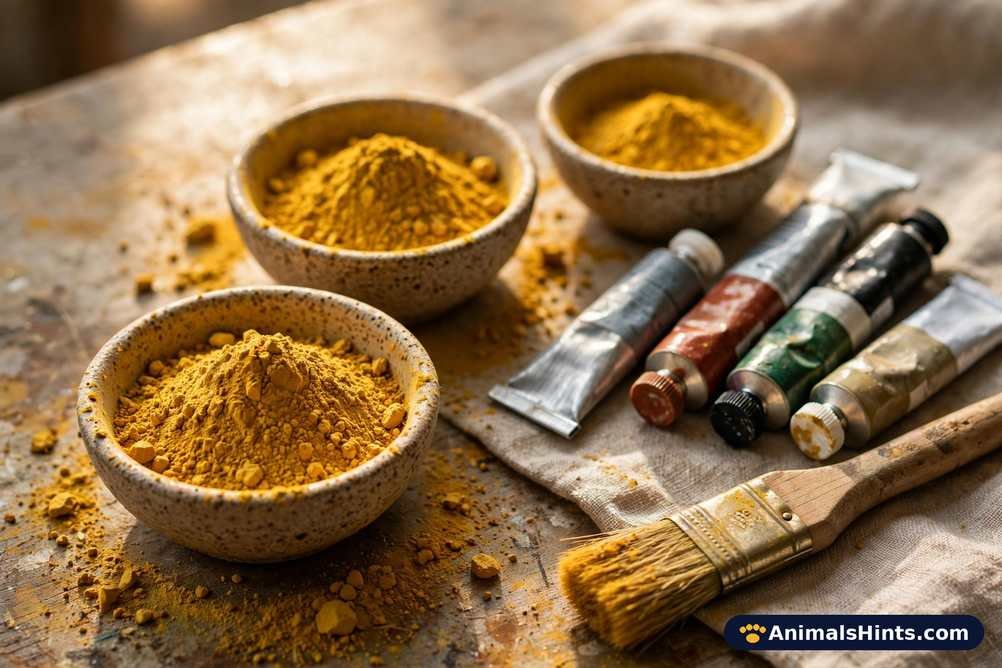
Human beings reached for that visibility early. Yellow ochre was one of the first colours used in art anywhere: a horse painted in yellow ochre on the walls of the Lascaux caves in France is around 17,000 years old. Later pigment history grew more exotic and more dangerous. Indian yellow, a glowing pigment prized for its luminosity, was made — on the documented account recorded in the nineteenth century and confirmed by modern laboratory analysis of a surviving sample — from the concentrated urine of cows fed only on mango leaves and water; it vanished from commerce around 1921, and the often-repeated story that it was banned in 1908 has never been matched to any legal record. Chrome yellow, a lead chromate pigment, gave Van Gogh the blazing yellows of his Sunflowers, but it carries toxic lead and carcinogenic chromate, and his yellows have been darkening toward brown ever since. The colour of joy has a surprisingly hazardous paintbox.
Language tells the same story of importance. In Berlin and Kay’s classic sequence of how languages build their colour vocabularies, yellow arrives early — at the third or fourth stage, alongside green, long before blue, brown or purple get names of their own. A colour gets an early name when a culture cannot do without one, and yellow — the colour of ripe fruit, dry grass, sunlight and sickness alike — was indispensable. The contrast with a latecomer like (the grey spiritual meaning) is instructive: grey waited until the final stage of the sequence for a name of its own, while yellow was being named almost as soon as red was.
Psychology of Wearing Color Yellow
Colour psychology, as the genre writes it, treats yellow as the colour of the switched-on mind, and it reads the choice to wear it accordingly. A person in yellow is read as cheerful, confident and intellectually curious — someone comfortable being looked at, since the colour guarantees it. Yellow clothing is said to lift the wearer’s own mood as well as the room’s: it is the colour people choose when they want to feel awake, optimistic and ready to be heard, and a single yellow garment — a scarf, a shirt, a pair of shoes — is the tradition’s usual prescription for brightening an otherwise quiet outfit and the day inside it.
The same literature is candid about the dose. Yellow is the most fatiguing colour to the eye in large amounts, precisely because so much light bounces off it, and colour psychologists warn that a room or an outfit saturated in bright yellow can tip from energising into agitating — babies are famously said to cry more in yellow rooms, a claim the genre repeats often and evidence supports thinly. The settled advice of the tradition is therefore measured: wear yellow as an accent rather than a flood, choose the softer shades for long days, and let the colour do what it does best — draw the eye, lift the spirits and start the conversation.
14 Spiritual Meanings of Yellow Color
Here is the tradition’s own list, in the order the modern guides give it. Each entry below is printed as the genre holds it — an association to reflect on, not a fact anyone should bank on — and the checked record behind the colour waits in the science, animal and Bible sections of this page.
1. Empowerment and Personal Power
The list opens with personal power: the noonday sun’s colour, read as the stamp of someone standing in their own strength. Wearing or picturing yellow is used, in this reading, as a reminder to act rather than hesitate — to speak in the meeting, set the boundary, take up the space. It is confidence handled as a practice, not a personality trait.
2. Abundance and Transformation
The harvest itself wears this colour — ripe wheat, corn and bananas — and the tradition holds it a sign of abundance on its way. Its transformation half comes from the seasons: green fields turn gold as they ripen, and autumn leaves turn yellow as they let go, so the colour is made to stand for the moment something becomes what it was growing toward.
3. Divine Light and Wisdom
Because light has stood for the divine in almost every tradition, yellow — light’s most visible colour — stands as a sign of divine presence and heaven-sent wisdom. Genre writers connect it to the glory of God and the light of heaven; the checked biblical record is narrower and stranger than that claim, and the Bible section below sets it out in full.
4. Joy and Happiness
The simplest and most universal of the fourteen: yellow is the colour people draw when they draw happiness — the smiley face, the child’s sun in the corner of the page. The tradition treats surrounding yourself with yellow as a small, deliberate act of cheerfulness, a way of voting for joy on an ordinary day.
5. Mental Clarity and Intellect
Yellow is the colour of the highlighter pen for a reason, and the tradition extends the point into a meaning: it stands for clear thought, quick learning and honest analysis. Students and writers in this genre keep something yellow on the desk as a focus charm — a reminder to think in straight lines and say what is actually true.
6. Spiritual Illumination and Enlightenment
In meditation writing, yellow light is pictured streaming into the mind during moments of insight, and the colour has become the genre’s shorthand for enlightenment — the instant a confusing thing suddenly makes sense. It is the light-bulb moment, dressed in its traditional colour.
7. Warmth and Energy
Sunlight is warm, and its colour borrows the feeling. The tradition reads yellow as the colour of welcome — the porch light left on, the kitchen that feels like the heart of the house — and of the physical energy that comes with a bright morning. It is the meaning behind yellow’s use in the rooms where people gather.
8. Optimism and Positivity
Yellow is the colour of looking on the bright side, and the genre uses it as an optimism practice: a colour to face the day with when the news is heavy. In this reading, choosing yellow is choosing to expect that things can improve — not a prediction that they will, but a posture toward the future.
9. Wisdom and Higher Consciousness
Distinct from the quick intellect of the fifth meaning, this one is slower: the wisdom of experience, the higher consciousness that meditation traditions describe as seeing things whole. The genre pictures it as golden rather than bright — the yellow of ripe grain rather than the yellow of the warning sign.
10. Creativity and Manifestation
The tradition pairs yellow with the spark of an idea and the work of making it real. Artists’ studios and brainstorming walls are painted yellow in this literature not by accident: the colour is held to loosen thinking, invite play and help an idea survive the journey from imagination to object.
11. Alertness and Awareness
The warning-sign colour carries a spiritual reading too: yellow as the colour of paying attention. In this meaning it stands for awareness of your surroundings, your body and your moment — the opposite of sleepwalking through a day. No other meaning on this list can claim a traffic-safety department behind it.
12. Royalty and Prosperity
Gold’s cousin borrows gold’s crown. The tradition reads yellow as a colour of royalty and prosperity — the emperor’s exclusive colour in old China, the metal of treasuries everywhere — and uses it as a reminder of worth: your own, treated as something to carry with a straight back.
13. Spiritual Growth and Nurturing
A seedling in spring light is this meaning’s picture: growth that is fed rather than forced. The genre uses yellow for the nurturing side of spiritual life — patience with your own slow seasons, warmth toward the people growing beside you, and trust that ripening has its own timetable.
14. Healing and Overcoming Sadness
The list closes where many readers arrive: yellow as the colour that answers sadness. The tradition prescribes it gently — morning light, yellow flowers on the table, a walk at the golden hour — as companions to a low season, never as a cure for one. If sadness is heavy or lasting, the honest companion to this meaning is real support from real people, and the colour is at its best as a reminder to seek it.
Shades of Yellow and Their Spiritual Significance
The tradition divides yellow into shades and reads each one separately. The five below follow the genre’s standard set, in its own order.
Pale Yellow:
The softest shade is read as gentleness itself — new beginnings handled carefully, innocence, and the quiet optimism of early spring. It is the shade the genre recommends to people who want yellow’s lift without its volume.
Bright Yellow:
The full-strength colour is pure energy in this reading: joy at maximum, attention demanded and given, the intellect running hot. It is the shade of warning signs and smiley faces alike, and the tradition treats it as powerful precisely because it cannot be ignored.
Golden Yellow:
The shade that leans toward the metal is read as wealth, wisdom and divine light combined — the yellow of halos, ripe wheat and treasury gold. It carries the richest of the colour’s associations, and the shade has its own close relative with a full record of its own in (the gold spiritual meaning).
Mustard Yellow:
The deep, earthy shade is read as groundedness: warmth with weight to it, endurance, and comfort that lasts past the first bright impression. The genre gives it to autumn, to kitchens and to people whose cheerfulness is the steady kind.
Amber Yellow:
Named for the fossil resin, amber yellow is read as preservation and ancient light — sunshine held in stone for millions of years. The tradition uses it for memory, protection and the wisdom that only time can make.
Yellow in the Animal World: Goldfinches, Yellowhammers and a Wasp’s Warning
Nature wears yellow for two opposite reasons — to be courted and to be left alone — and both are written in the same chemistry. Most natural yellows are carotenoids, pigments that plants make and animals can only borrow by eating them, so a yellow animal is usually advertising the quality of its diet and, with it, itself.
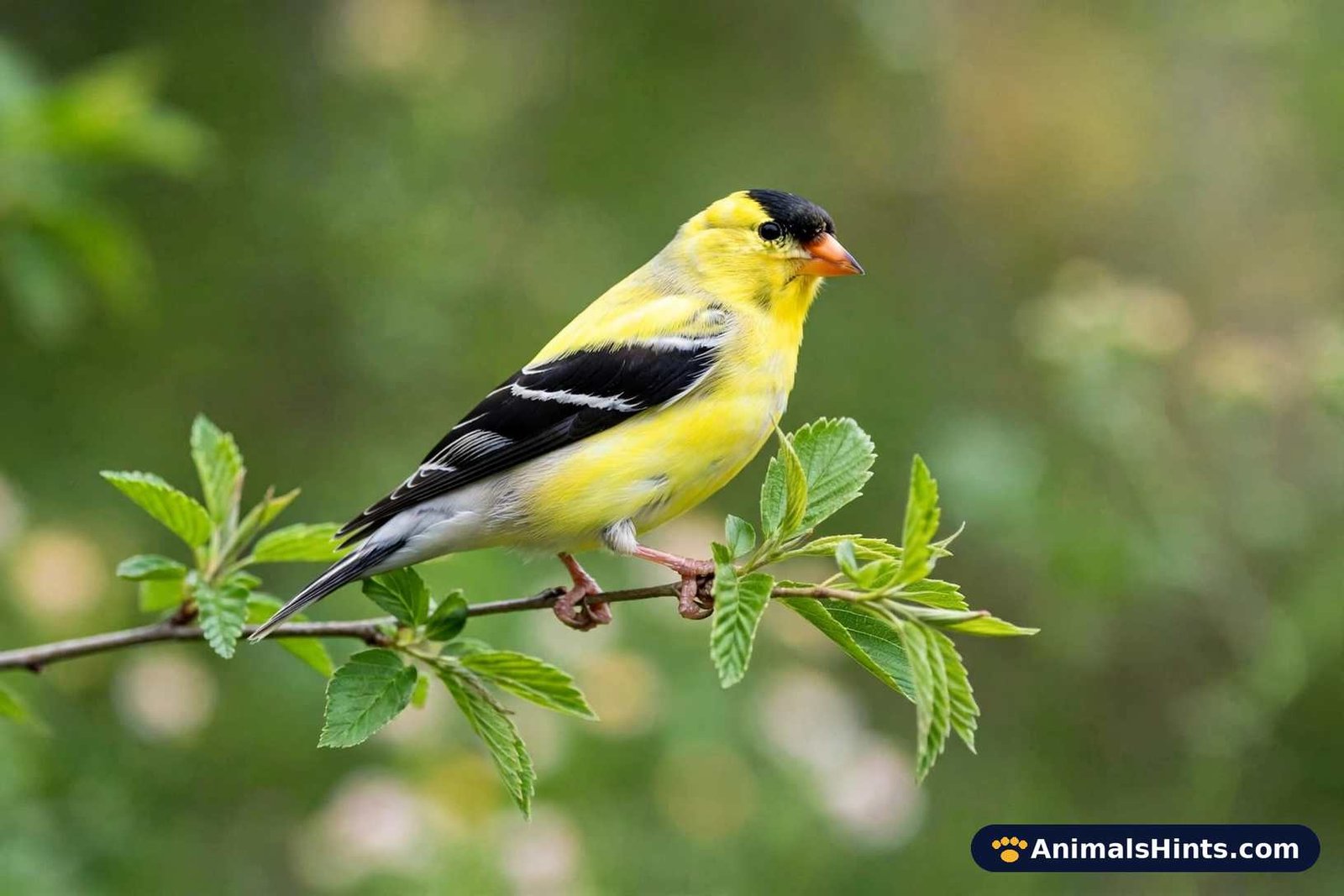
The American goldfinch is the borrowing system at its most theatrical. The male’s breeding plumage is a brilliant lemon yellow produced by carotenoid pigments from the plant material in his diet; the female wears a duller yellow-brown. He is also the only finch of his family to moult completely twice a year, so the famous yellow is a summer coat, grown fresh for the breeding season and traded in for olive drab when it ends — a bird that literally puts on yellow to be chosen. The yellowhammer works the same palette in the hedgerows of Europe: the male is unmistakable, with a bright yellow head and underparts above a streaked brown back and chestnut rump. The species has declined steeply — it sits on the UK’s Red List after a fall of more than sixty per cent in the decades after 1967, on the RSPB’s figures — which makes its flash of yellow along a lane a sight worth stopping for.
The warning wearers use the same visibility for the opposite message. The monarch caterpillar feeds only on milkweed and bands itself in yellow, black and white; it concentrates the plant’s bitter cardiac glycosides in its own body and keeps them through metamorphosis into the butterfly, and birds learn fast that the banding means a bad mouthful. Wasps and hornets wear yellow banded with black on the same principle — a uniform that says the wearer is armed. It is no accident that the warning pairs yellow with black so often: against (the black spiritual meaning), yellow produces the highest-contrast signal the eye can be given, and nature, like the highway department, reached for it first.
Cultural and Religious Significance
Yellow’s sacred career differs sharply from one civilisation to the next, and the tradition’s standard tour runs through four of them.

- Eastern cultures: In the Buddhist and Hindu worlds the colour leans sacred. Buddhist monks’ robes are dyed in the saffron-yellow range, a colour of renunciation and humility worn precisely because it was once the colour of discarded cloth; in Hindu practice yellow is tied to knowledge and learning, worn at spring festivals and offered in marigolds at temples. In the tradition’s telling, the Eastern yellow stands for the spirit turned inward.
- Chinese culture: In imperial China, yellow was the emperor’s own colour — bright yellow could be worn only by the emperor and his household — and it stood for the centre of the world and the element of earth in the Chinese scheme of things. It remains a colour of royalty, honour and good fortune in Chinese tradition, the most prestigious colour of the classical five.
- Western symbolism: The West holds both faces of the colour at once. Medieval Europe associated yellow with jealousy and betrayal, and the association lingers in the surveys that still link it to duplicity and envy; yet Christian art robed its saints in gold-yellow light and ringed their heads with yellow halos, making the same colour the sign of divine glory. The Western yellow is glory and suspicion in a single pigment.
- Africa: Across African traditions as the genre tells them, yellow and gold tones are read as wealth, fertility and divine energy — the colour of sun, ripe crops and precious metal, worn and displayed at celebrations as a sign of abundance and status.
Spiritual Interpretations of Dreaming About the Color Yellow
Dream dictionaries treat colour as the dream’s emotional weather, and yellow dreams are read by their shade and setting. As ever on this page, these are the genre’s readings, offered for reflection — a dream is neither a diagnosis nor a forecast.
- Bright yellow light: Read as the happiest of the set — awakening, insight and good news in the genre’s account, the dream-picture of the illumination meaning from the list above.
- Yellow flowers: Read as friendship and simple joy, and sometimes as a gentle push toward the people who make you laugh; a bouquet in a dream is the tradition’s picture of cheerfulness being handed to you.
- Yellow clothing: Read as confidence on display — the dream self dressing in the colour of being seen, which the dictionaries take as a sign of readiness to be noticed, or a wish for it.
- Dull or faded yellow: The shadow entry: read as energy running low, a warning light rather than a celebration — the genre’s prompt to rest, and to ask honestly what has been draining the colour out of things.
Color Yellow and Solar Plexus Chakra in Spiritual Practices
In the modern chakra scheme — the rainbow chart of seven centres popularised in the twentieth-century West — yellow is given to the third centre, the solar plexus chakra, seated at the navel. Its Sanskrit name, Manipura, means “lustrous gem”, and the modern system makes it the seat of personal power, self-esteem and will: the inner fire by which a person digests both food and experience. The pairing is stated here at its real strength, no more — it is the modern scheme’s association, not an ancient colour code — and it explains why the tradition’s first meaning, personal power, sits where it does on the list above.
The practices the genre attaches to the pairing follow its usual pattern: visualising a yellow flame or sun at the navel during meditation, wearing yellow or keeping it in view on days when confidence needs support, and working with yellow stones such as citrine as reminders of the intention. They are best understood the way this page understands all of it — as prompts to attention. A colour cannot hand you self-esteem, but pausing to picture a steady flame at your centre is a reasonable way to remember you intended to act like someone who has some.
What the Bible Actually Says About Yellow
Yellow is one of the few colours in this series that the King James Bible actually names — but what it does with the word is nothing like a symbolism code. A full-text count of the KJV finds the word “yellow” exactly four times (the same instrument counts “scarlet” 52 times and “crimson” 5 on the same text, so the small number is the Bible’s, not the search’s). Three of the four occurrences sit in a single passage, and the fourth is a line of poetry.
The three are in Leviticus 13, in the laws for diagnosing skin disease, where the colour appears as a clinical sign: “Then the priest shall see the plague: and, behold, if it be in sight deeper than the skin; and there be in it a yellow thin hair; then the priest shall pronounce him unclean.” Yellow hair in the sore meant the affliction was what the text calls a dry scall — yellow, in its only repeated biblical use, is a diagnostic colour, the shade a priest was told to look for. The single remaining occurrence is Psalm 68:13, where the wings of a dove are pictured “covered with silver, and her feathers with yellow gold” — one flash of gold-yellow in a victory psalm, and the word never appears again.
So the honest record is this: the Bible names yellow four times, uses it three times as a sign of disease and once as the colour of gold on a dove’s wings, and builds no symbolism on it whatsoever. The genre’s claim that yellow is biblically bound to “divine glory” and the light of heaven is a modern reading laid over that dove’s single shining line — a legitimate piece of devotion when it is labelled honestly, as it is here. If yellow’s meanings move you, they do so as tradition and reflection, not as a code the text itself contains.
How to Use Yellow’s Meaning in Everyday Life
The tradition’s practical advice is mostly about dose: yellow works like sunlight, and both are best taken in measures a person can enjoy.

- At home: Keep yellow where life happens — cushions, a throw, a vase of flowers, a painted door — and keep it out of the rooms meant for winding down, where its energy can outstay its welcome. A kitchen or a hallway takes a strong yellow happily; a bedroom usually prefers the pale shade.
- In what you wear: Use the psychology section’s rule — an accent, not a flood. One yellow piece against quiet colours does the colour’s whole job: it draws the eye, lifts the outfit and starts conversations.
- In your work: A yellow notebook, desk lamp or wall in a study corner is the genre’s standard clarity charm, and a harmless one — bright surroundings genuinely are easier to stay awake in, whatever else they do.
- With other colours: Yellow sits naturally beside its neighbours on the wheel and its fellow colour-meanings on this site. Paired with (the green spiritual meaning) it reads as spring itself, growth lit by sun; paired with (the color orange spiritual meaning) it turns up the warmth toward harvest and firelight. Choose the pairing by the feeling you are after.
- As a practice: The solar plexus visualisation from the chakra section, a morning walk taken deliberately at the golden hour, or simply a bunch of daffodils bought for no reason — small, repeatable acts are how a colour’s meaning becomes a habit rather than a poster.
Final Thoughts
Yellow earns its meanings honestly at the level of physics: it is the colour the eye sees first and farthest, the colour of the light everything grows by, and one of the first colours human beings ever ground into paint or gave a name to. The tradition built on that foundation — joy, intellect, confidence, abundance, the long list of fourteen — is a human construction, and it loses nothing by that, so long as it is read as what it is: a mirror, not a mechanism. Its shadow side belongs in the picture too, because a colour that means caution on every road sign was never only sweetness.
Carry the colour the way the goldfinch does — seasonally, deliberately, and in the amount the day calls for. And remember that beneath every meaning on this page sits a piece of chemistry: nearly all of nature’s yellows, from the finch’s feathers to the autumn leaf, are one family of borrowed plant pigments, the humble carotenoid — which means the most spiritual colour of all is, at root, something living things make out of sunlight and pass along the food chain. That is not a bad meaning to end on.
Frequently Asked Questions
What does the color yellow symbolize spiritually?
In the tradition’s reading: joy, light, intellect and personal power — the sun’s own colour, and the mind awake. The full list of fourteen meanings, with their honest limits, is set out in the meanings section above.
How does yellow affect our psychology?
As colour psychology tells it, yellow is stimulating and attention-grabbing: cheering in small doses, tiring in floods. It is the most visible colour the eye knows, which is why it carries the world’s warning signs as well as its smiley faces.
What does liking yellow say about your personality?
The genre reads a love of yellow as optimism, curiosity and a cheerful independence — a mind that likes its days bright. Treat it as a description of taste rather than a diagnosis: it says you like yellow, and the rest is reflection.
How can I use yellow’s spiritual meaning in my life?
In measures: an accent in your clothes, a bright corner where you work, yellow flowers where people gather, and the small practices in the section above. The colour rewards the same approach as sunlight — regular, moderate and enjoyed on purpose.