
Explore Top 30 Most Energetic Animals (With Pictures)
Energetic Animals are animals that show high levels of energy and activity. They move, play, work, and explore with great strength. These animals stay active to find food and survive.
The animal world has many creatures full of energy. Their fast movements and playful actions make them amazing to watch. They bring excitement and wonder to nature.
Energetic Animals live in different habitats around the world. Some run quickly, some fly high, and some swim fast. Each animal uses its energy in special ways.
Read this too: 25 most chill animals
What Makes an Animal Energetic?
Animal energy comes from food that gets converted into fuel for movement, growth, and survival. Some animals use oxygen to power their muscles for long periods, which is called aerobic energy. Others use quick chemical reactions that don’t need oxygen. These reactions generate about ten times more power but can’t be sustained for long.
Animal species have different energy needs based on their lifestyle. Mammals and birds have high resting metabolic rates and can sustain activity for extended periods. They are called tachyenergetic animals. Reptiles and most fish have lower metabolic rates and limited activity potential. They are called bradyenergetic animals.
Animal size also affects energy needs. Smaller animals lose heat faster and need more energy per pound of body weight to stay warm. This explains why tiny creatures like shrews and hummingbirds eat constantly while larger animals can go longer between meals.
Animal behavior also plays a big role. More active animals need more fuel. The average daily energy consumption is two to four times an animal’s resting metabolic rate. Humans are more sedentary and only use about one and a half times their resting rate.
Animal habitats shape energy use too. Animals adapt to extreme conditions through torpor, a state of decreased activity and metabolism. Hibernation during winter and estivation during hot, dry summers help animals conserve animal energy.
List of Most Energetic Animals
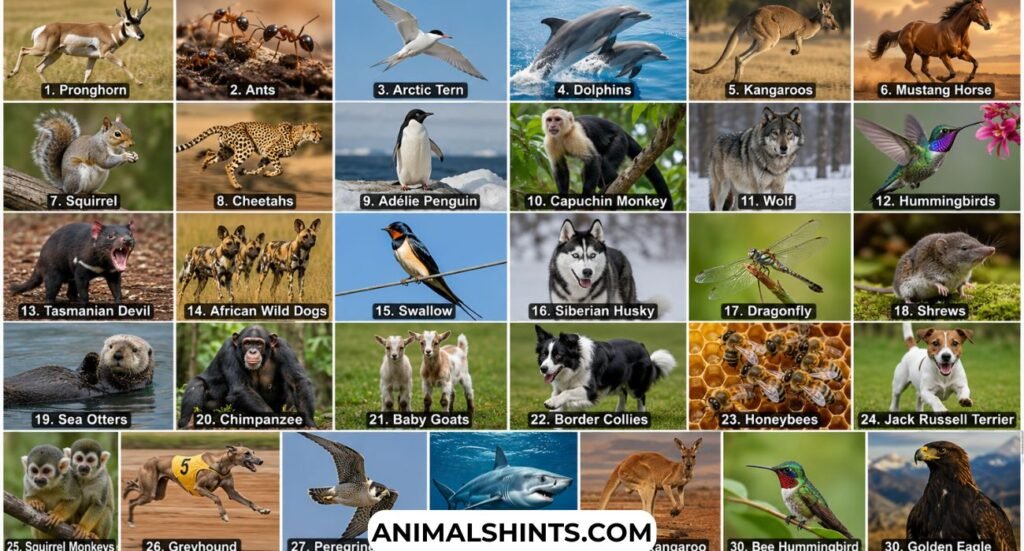
Here are the top most energetic animals on Earth. These creatures display incredible animal speed, animal agility, and animal stamina that leave us amazed.
Pronghorn
The pronghorn is the endurance champion of the land. These graceful creatures can run at high speeds and maintain them for miles. Their hearts are about twice as big as a domestic sheep’s heart, allowing them to pump oxygen efficiently during long chases.
Pronghorns have large nasal passages that increase oxygen intake during sprints. This pronghorn speed helps them escape predators on the open plains. Unlike cheetahs that tire quickly, pronghorns can outrun most threats with ease. Their keen eyesight lets them spot danger from miles away.
These social animals travel in herds, combining individual speed with collective vigilance. Their survival strategy shows how animal adaptations can balance speed and endurance.
Ants
Ant colonies are marvels of teamwork and strength. These tiny insects can carry objects many times their own body weight. Their robust bodies and tireless work ethic make them some of the most energetic creatures on the planet.
Animal communication in ant colonies is fascinating. They use pheromones to signal danger, mark food sources, and coordinate complex tasks. This chemical language turns a bustling colony into a well-organized machine.
Animal ecosystems depend heavily on ants. They aerate soil, disperse seeds, and control pest populations. With thousands of species worldwide, ants have adapted to nearly every environment on Earth.
Arctic Tern
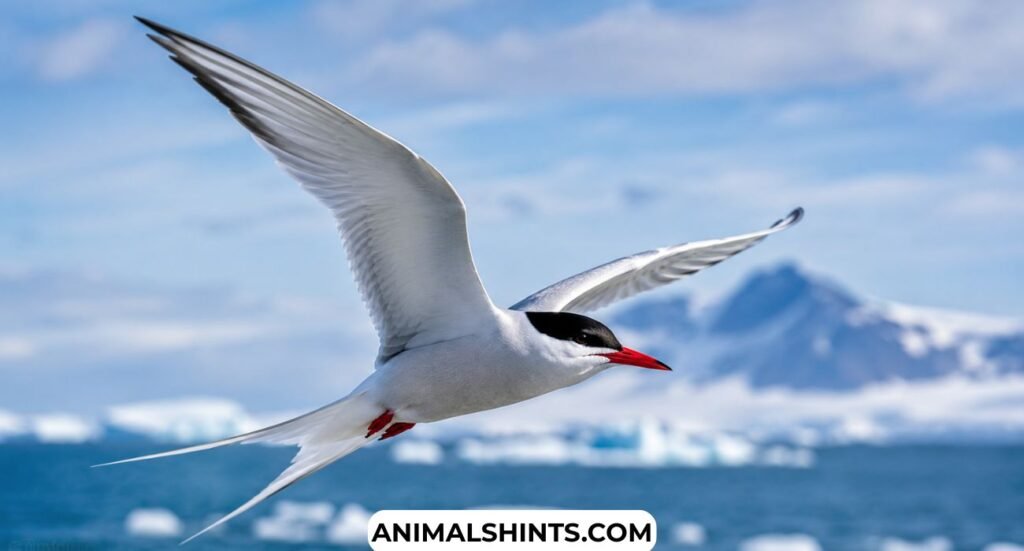
The Arctic tern migration is the longest of any animal. These remarkable birds travel tens of thousands of miles each year from Arctic breeding grounds to Antarctic wintering areas. This incredible journey showcases amazing animal endurance.
Animal resilience in Arctic terns comes from their streamlined bodies and strong wings. They navigate vast oceans using keen senses and internal compasses. Their ability to experience summer in both polar regions is unique in the animal kingdom.
Animal conservation of Arctic terns is becoming more important as climate change affects their habitats. Melting ice and changing ecosystems challenge their survival. Observing their journey reminds us of the delicate balance in nature.
Dolphins
Dolphin intelligence makes these marine mammals truly special. They communicate with complex clicks, whistles, and body language. Their animal behavior shows remarkable social awareness and emotional depth.
Animal communication in dolphin pods includes unique signature whistles that identify individuals. They engage in playful activities like leaping and tail-slapping. These behaviors aren’t just fun. They strengthen social bonds within pods.
Dolphins show empathy and altruism. They help injured companions and sometimes guide lost swimmers to safety. Their emotional depth and social behavior make them one of the most fascinating creatures in the ocean.
Kangaroos
Kangaroo jumping is one of nature’s most efficient forms of movement. These marsupials can leap great distances in a single bound. Their powerful hind legs and strong tails make this possible.
The animal agility of kangaroos helps them cover vast distances in the Australian outback. Their hopping gait is energy-efficient, allowing them to travel long distances while searching for food.
Animal social structures in kangaroo mobs are complex. They communicate through coordinated movements and vocalizations. Living in groups enhances their survival and creates strong bonds among members.
Mustang Horse
The mustang horse represents freedom and untamed spirit. These wild horses roam North American landscapes with impressive agility and stamina. Each gallop shows the strength found in living authentically.
Animal resilience in mustangs comes from surviving harsh conditions. They’ve developed keen instincts for survival and strong social structures within herds. Their communal behavior shows the power of working together.
Animal strength in these horses is legendary. They can travel long distances and carry heavy loads while maintaining high energy levels. Their adaptability to varied environments is truly remarkable.
Squirrel
Squirrel acrobatics are a joy to watch. These nimble creatures leap between branches with incredible precision. Their twitchy tails help them balance during their daring maneuvers.
Animal intelligence in squirrels is impressive. They solve complex problems to access food and remember hundreds of nut hiding spots. Their animal behavior includes sophisticated food-caching strategies.
Animal biodiversity benefits from squirrels. By burying nuts they sometimes forget, they plant new trees. This accidental forest gardening helps maintain healthy ecosystems.
Cheetahs
Cheetah acceleration is unmatched in the animal world. They can go from zero to high speeds in just seconds. This explosive speed comes from specialized bodies built for quick bursts.
Animal adaptations in cheetahs include large nostrils, oversized hearts, and flexible spines. Their respiratory system allows rapid oxygen intake during sprints. However, they tire quickly and can only sustain top speed for short periods.
Fastest animals like cheetahs show fascinating social dynamics. Mothers protect their cubs fiercely. Male siblings often form coalitions to improve hunting success. This social structure shows community support in the wild.
Adélie Penguin
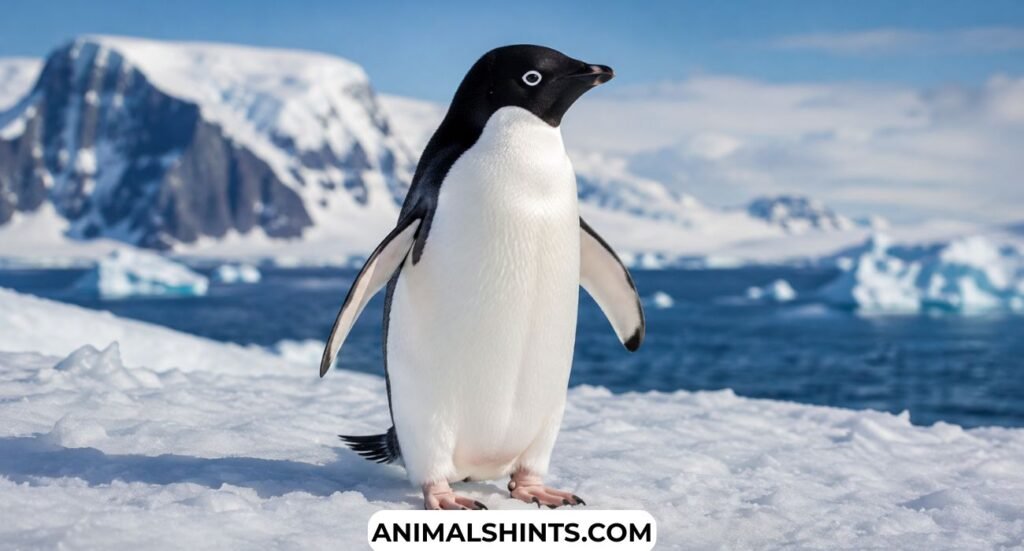
These tuxedo-wearing birds thrive in Antarctica’s harsh environment. They are expert divers and agile swimmers, reaching great depths while hunting krill and fish.
Animal ecosystems benefit from Adélie penguins as key predators in the Antarctic food web. Their populations indicate ocean health and climate conditions.
Social behavior in Adélie penguins includes elaborate courtship displays. Couples perform synchronized movements that strengthen their bonds. Their nesting colonies bustle with activity and cooperation.
Capuchin Monkey
Capuchin monkey intelligence is remarkable among primates. These clever animals use tools to get food, cracking nuts with rocks and using sticks to extract insects.
Animal communication in capuchin groups is sophisticated. They have complex social hierarchies and form alliances. Grooming helps strengthen bonds and shows cooperation in their social groups.
Animal intelligence in capuchins includes empathy. They comfort distressed group members, showing emotional depth. Their lively antics serve important social purposes beyond mere play.
Wolf
Wolf pack dynamics are legendary. These intelligent predators work together to hunt and protect their territory. Their howls communicate across vast distances.
Animal endurance in wolves is impressive. They can travel many miles in a day while hunting. Their coordinated hunting strategies show teamwork and cooperation.
Animal social structures in wolf packs are complex. Each member plays a specific role. This communal behavior shows the power of working together for survival.
Hummingbirds
Hummingbird flight is one of nature’s most amazing feats. These tiny birds beat their wings many times per second. They can hover, fly backward, and change direction instantly.
Animal metabolism in hummingbirds is extraordinarily fast. They consume up to twice their body weight in nectar daily. This high-energy diet fuels their constant activity.
Animal conservation of hummingbirds is important as pollinators. They transfer pollen between flowers, boosting animal biodiversity. Their reliance on specific flowers makes them vulnerable to habitat changes.
Tasmanian Devil
The Tasmanian devil is a fierce marsupial with incredible energy. Despite its small size, it eats voraciously. It can consume a large portion of its body weight in a short time.
Animal adaptations in Tasmanian devils include powerful jaws and sharp teeth. They are skilled scavengers that play a vital role in their ecosystem. Their distinct screeches echo through Tasmanian forests.
Animal conservation efforts are critical for Tasmanian devils. A contagious cancer called Devil Facial Tumor Disease has severely reduced their population. Scientists are using genetic techniques to help save these resilient animals.
African Wild Dogs
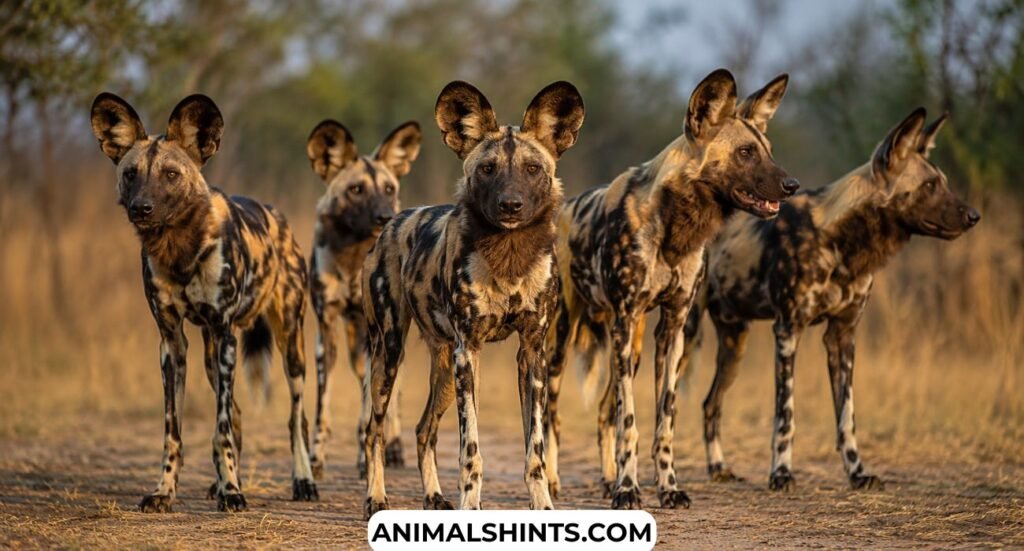
African wild dogs are master hunters with remarkable coordination. Their hunting success rate is among the highest of any predator. This efficiency shows amazing teamwork and strategy.
Animal communication among wild dogs includes complex vocalizations and body language. Each pack member plays a specific role during hunts. Their cooperation rivals even the most intelligent primates.
Animal conservation of African wild dogs is urgent. Habitat loss and human-wildlife conflict threaten their survival. Their vibrant coat patterns help individuals identify each other within packs.
Swallow
Swallow migration covers thousands of miles between breeding and wintering grounds. These aerial acrobats catch insects in mid-flight with amazing precision.
Animal agility in swallows is extraordinary. Their sleek bodies and pointed wings let them dart through the sky. Their movements during dawn and dusk are mesmerizing.
Animal intelligence in swallows includes amazing navigation skills. They recognize landmarks and use the Earth’s magnetic fields to find their way. Their adaptability to various environments shows nature’s brilliance.
Siberian Husky
The Siberian husky is built for energy and endurance. This breed was developed for sledding in harsh Arctic conditions. Their innate drive makes them ideal for running and exploring.
Animal strength in huskies is impressive. They can pull heavy loads over long distances in freezing temperatures. Their double coat protects them from extreme cold.
Animal communication in huskies is vocal. They howl, whine, and bark to express themselves. Their talkative nature reflects their intelligent and social character.
Dragonfly
Dragonfly flight is unmatched among insects. They can fly in multiple directions, including backward and forward. They can also hover in place with amazing precision.
Animal speed in dragonflies is impressive. They capture most of their prey mid-air, making them incredibly efficient hunters. This skill helps control mosquito and other pest populations.
Animal adaptations in dragonflies include unique wing structures. Their iridescent colors can change based on temperature and mood. Their aerial prowess shows that energy is about adaptability and survival.
Read also: The Spiritual Meanings of Seeing a White Spider
Shrews
Shrew metabolism is one of the fastest among mammals. These tiny creatures consume nearly their body weight in food every day. Their insatiable appetite drives them to hunt constantly.
Animal endurance in shrews is remarkable for their size. They dart through underbrush with precision, using echolocation to navigate. Their venomous bite can immobilize prey larger than themselves.
Animal adaptations in shrews include sharp teeth and voracious hunger. Their high metabolism demands constant feeding. This energy requirement makes them among the most active small mammals.
Sea Otters
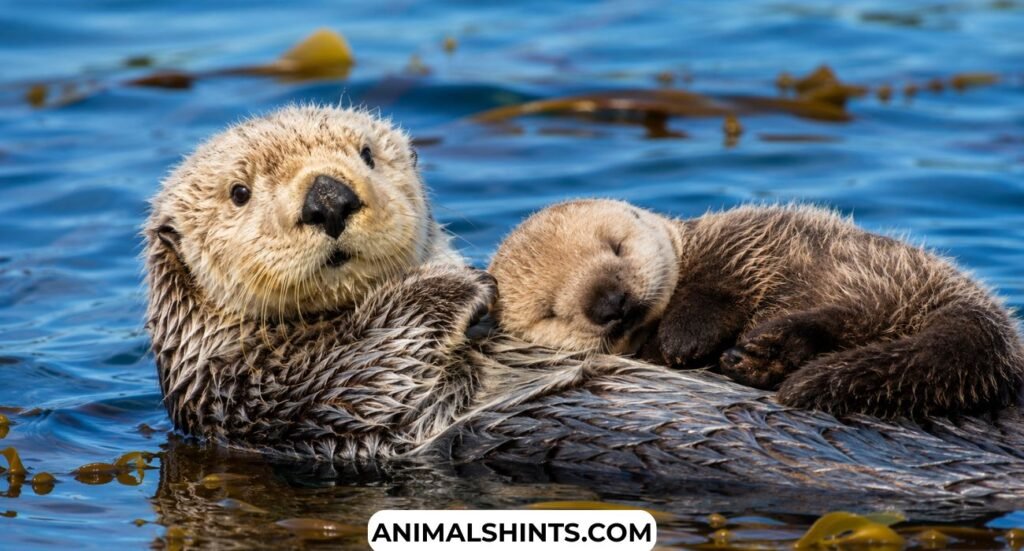
The sea otter is a powerhouse athlete in the water. These marine mammals use tools. They crack open mollusks on their chests with rocks. This dexterity shows their intelligence and resourcefulness.
Animal behavior in sea otters includes playful antics and social bonding. They hold paws while sleeping to prevent drifting apart. Their social structures highlight their fascinating group dynamics.
Animal ecosystems depend on sea otters as keystone species. They control sea urchin populations and help maintain kelp forest health. Their ecological role supports diverse marine communities.
Chimpanzee
Chimpanzee behavior shows remarkable energy and intelligence. These primates swing through trees, play games, and communicate through complex vocalizations and body language.
Animal intelligence in chimpanzees is among the highest in the animal world. They form tight bonds within communities, working together to find food and protect territory. Their cooperation shows social complexity.
Animal communication in chimps includes gestures, facial expressions, and vocal calls. Their emotional landscape includes curiosity, joy, and empathy. Watching them interact reveals deep social connections.
Baby Goats
Baby goats are pure joy on legs. These tiny bundles of energy leap and bound with seemingly limitless enthusiasm. Their playful antics turn any day into an adventure.
Animal behavior in baby goats includes jumping, climbing, and head-butting. These activities help develop social skills and establish group hierarchies. Their flexibility allows astonishing jumps.
Animal resilience in young goats is remarkable. They quickly learn to navigate their environment. Their high-energy play sessions serve important social purposes beyond mere fun.
Border Collies
Border collie intelligence is legendary among dog breeds. These dogs have an innate herding instinct that reflects their drive to engage and problem-solve. They require both physical exercise and mental challenges.
Animal endurance in border collies is outstanding. They can work for hours without tiring. Their agility and stamina make them champions in various dog sports.
Animal communication between border collies and humans is remarkable. They learn complex commands quickly. Their intuitive connection with people makes them exceptional companions.
Honeybees
Honeybee pollination is essential to global agriculture. These tiny insects visit many flowers in a single day. Their constant work supports countless plants and crops.
Animal communication in honeybees includes the famous “waggle dance.” They perform intricate maneuvers to share information about food sources. This social coordination is among nature’s most complex systems.
Animal adaptations in honeybees include wings that beat rapidly. Their rapid flight creates the familiar buzz of a busy hive. Their work ethic fuels both their survival and biodiversity.
Jack Russell Terrier
The Jack Russell terrier is a bundle of boundless energy. These compact dogs are always ready for action. Their insatiable curiosity drives them to explore every corner.
Animal intelligence in Jack Russells is impressive. They thrive on mental stimulation. Boredom can lead to mischievous behavior. Their problem-solving skills make them natural adventurers.
Animal resilience in these dogs is notable. With proper training, they become well-rounded companions. Their small size doesn’t limit their big personalities and vitality.
Squirrel Monkeys
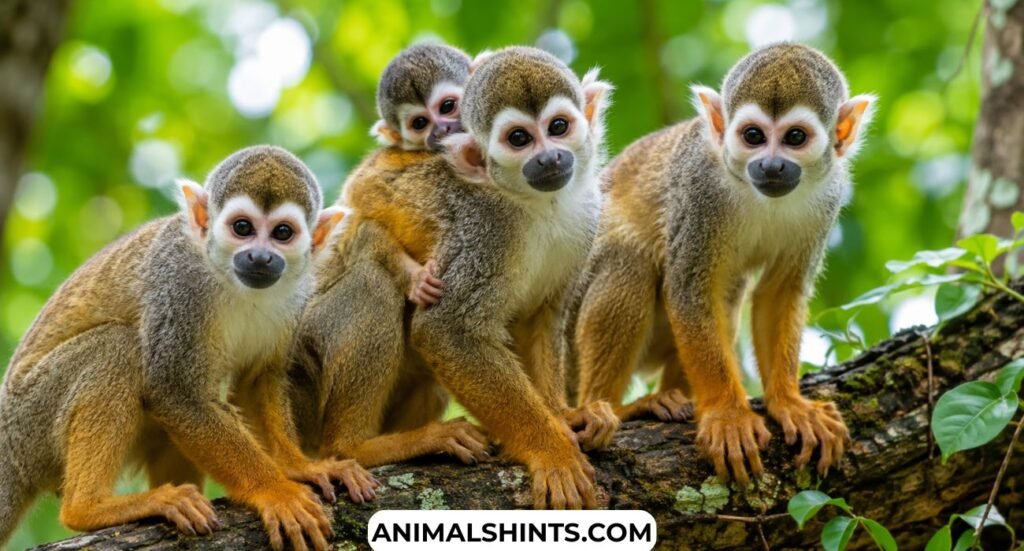
Squirrel monkey agility is impressive. These small primates dart through tropical forest canopies with explosive personalities. Their long limbs and tails help with precise leaps.
Animal communication in squirrel monkeys includes boisterous vocalizations. Living in troops, they constantly interact. Their play reinforces bonds essential for survival.
Animal adaptations in squirrel monkeys include prehensile tails for balance. Their frenetic chases and acrobatics show remarkable physical capabilities. Their social structure reflects the need for teamwork.
Greyhound
Greyhounds are among the fastest dogs on Earth. These sleek canines can reach incredible speeds in just a few strides. Their lean bodies and powerful muscles make them natural sprinters.
Animal speed in greyhounds is remarkable. They were bred for racing and coursing. Their flexible spines and long legs give them extraordinary stride length.
Animal adaptations in greyhounds include deep chests for lung capacity and large hearts for oxygen delivery. Despite their speed, they are gentle and calm when not running.
Peregrine Falcon
The peregrine falcon is the fastest bird on Earth. During hunting dives called stoops, they reach breathtaking speeds. This makes them the ultimate aerial predators.
Animal speed in peregrine falcons is unmatched in the avian world. They use gravity to accelerate toward prey. Their specialized nostrils prevent wind damage during high-speed dives.
Animal adaptations include keen eyesight for spotting prey from great heights. Their streamlined bodies reduce drag. These adaptations make them master hunters of the skies.
Mako Shark
The mako shark is the fastest shark in the ocean. These powerful predators can swim at impressive speeds. Their streamlined bodies and powerful tails make them oceanic speedsters.
Animal speed in mako sharks helps them catch fast prey like tuna and swordfish. They can leap completely out of the water. This spectacular behavior shows their incredible power.
Animal adaptations in makos include specialized scales that reduce drag. Their bodies stay warmer than the surrounding water, allowing faster muscle contractions. This gives them a hunting advantage.
Red Kangaroo
Red kangaroos are the largest marsupials and impressive jumpers. They can cover great distances with each powerful bound. Their strong legs and tails make this possible.
Animal agility in red kangaroos is remarkable. They can change direction quickly while hopping. Their large feet help them push off the ground with force.
Animal endurance in red kangaroos allows them to travel many miles in search of food and water. Their hopping gait is energy-efficient. This helps them survive in the harsh Australian outback.
Bee Hummingbird
The bee hummingbird is the smallest bird in the world. Despite its tiny size, it has incredible energy needs. Its fast metabolism requires constant feeding.
Animal metabolism in bee hummingbirds is exceptionally high. They visit many flowers each day for nectar. Their tiny size means they lose heat quickly and need constant fuel.
Animal adaptations include specialized tongues for drinking nectar. Their rapid wing beats let them hover like helicopters. These tiny birds are true marvels of nature.
Golden Eagle
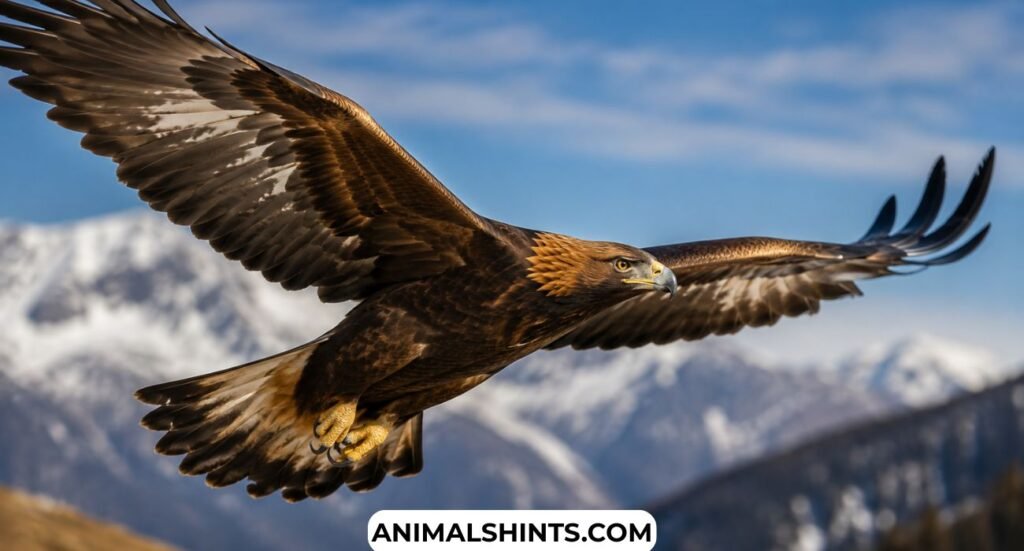
Golden eagles are powerful birds of prey. They soar for hours on thermal currents while hunting. Their energy efficiency in flight is remarkable.
Animal endurance in golden eagles allows them to cover vast territories. They can spot prey from great distances. Their powerful talons and beaks make them formidable hunters.
Animal adaptations include excellent eyesight and strong wings. Their hunting skills have made them symbols of power in many cultures. They represent the majesty of wild birds.
Energetic Animals Compared
| Animal | Special Energy Trait | Key Adaptation |
| Cheetah | Explosive acceleration | Large nostrils, flexible spine |
| Pronghorn | Long-distance endurance | Oversized heart, efficient breathing |
| Hummingbird | Hovering flight | Very fast wing beats |
| Arctic Tern | Very long migration | Streamlined body, strong wings |
| Kangaroo | Energy-efficient hopping | Powerful hind legs |
| Ant | Carries many times body weight | Robust exoskeleton |
| Dolphin | Acrobatic swimming | Powerful tail, echolocation |
| Dragonfly | High hunting success | Four independent wings |
| Squirrel Monkey | Arboreal acrobatics | Prehensile tail, long limbs |
| Siberian Husky | Sled pulling endurance | Double coat, strong build |
| Greyhound | Sprinting speed | Deep chest, flexible spine |
| Peregrine Falcon | Fastest dive | Streamlined body, sharp eyes |
| Mako Shark | Fastest shark | Specialized scales, warm muscles |
| Bee Hummingbird | Fastest metabolism | Tiny size, rapid wing beats |
| Golden Eagle | Soaring endurance | Powerful wings, keen eyesight |
Why Animal Energy Matters
Animal biodiversity depends on energetic species. Predators like wolves and wild dogs maintain ecosystem balance. Prey animals like pronghorns and kangaroos shape vegetation patterns through grazing.
Animal conservation of high-energy species protects entire ecosystems. When cheetahs decline, prey populations can grow unchecked. When honeybees disappear, pollination and food production suffer.
Animal habitats are crucial for energetic animals. They need large territories to find food and maintain their active lifestyles. Habitat loss is the biggest threat to most species on this list.
Animal ecosystems rely on energy transfer through food chains. Energetic predators keep prey populations in check. Energetic prey like the pronghorn help maintain grassland health through grazing.
Animal research continues to reveal new insights about energy in nature. Understanding how animals use energy helps us protect them. It also inspires innovation in fields from robotics to medicine.
How Animals Stay Energetic
Animal feeding habits fuel their active lifestyles. Hummingbirds drink nectar constantly. Shrews eat multiple times per hour. Wolves cooperate during hunting to share large meals.
Animal metabolism in energetic creatures is remarkably efficient. Small animals have higher metabolic rates per pound than larger ones. This allows them to generate the energy needed for constant activity.
Animal adaptations like efficient breathing, strong hearts, and powerful muscles support energetic lifestyles. Endothermic animals generate their own body heat, allowing activity in cold conditions.
Animal survival strategies balance energy use. Some use anaerobic energy for short bursts of intense activity. Others rely on aerobic energy for sustained endurance. Many combine both systems.
Animal movement patterns have evolved for efficiency. Kangaroos hop to save energy. Dolphins swim efficiently through water. Hummingbirds hover with minimal effort despite rapid wing beats.
The Future of Energetic Animals
Animal conservation faces challenges from climate change, habitat loss, and human activity. Many energetic species are vulnerable because they need large territories and abundant food.
Animal behavior research helps us understand how species adapt to changing conditions. Some animals adjust their activity patterns to avoid heat. Others shift their ranges to find suitable habitat.
Animal habitats are disappearing at alarming rates. Protecting natural spaces is essential for maintaining animal biodiversity. National parks and wildlife reserves help safeguard energetic species.
Animal ecosystems benefit from conservation efforts. Restoring habitats supports entire communities of plants and animals. Protecting keystone species like sea otters helps maintain ecosystem health.
Animal resilience offers hope. Many species adapt to changes and find new ways to survive. Conservation success stories show that human efforts can make a difference.
How Energetic Animals Inspire Human Innovation
The remarkable abilities of energetic animals have inspired countless human inventions and technologies. Engineers study animal movement and animal adaptations to design faster vehicles, more efficient robots, and better sports equipment. The cheetah’s flexible spine has influenced automotive suspension systems. Hummingbird flight mechanics have inspired drone designs that can hover and change direction instantly.
Animal research continues to unlock secrets that benefit humanity. The physical capabilities of high-energy creatures teach us about efficiency, endurance, and power. Understanding animal metabolism helps scientists develop better treatments for human metabolic disorders. By studying how animals generate and sustain animal energy, we gain insights that drive innovation in medicine, engineering, and sports science.
See also: Animals with no legs
Protecting Energetic Animals for Future Generations
Animal conservation of energetic species requires urgent global attention. These remarkable creatures face unprecedented threats from habitat destruction, climate change, and human encroachment. Protecting animal habitats ensures that future generations can witness the spectacular displays of animal agility and animal speed that make these species so special. Conservation efforts must focus on preserving large territories that energetic animals need to thrive.
Animal ecosystems depend on the presence of high-energy species to maintain balance and biodiversity. When we lose these dynamic creatures, entire food chains and ecological processes are disrupted. Animal resilience offers hope, as many species can recover when given proper protection. Supporting conservation organizations, reducing our environmental impact, and advocating for wildlife protection are essential steps in preserving the animal kingdom for years to come.
FAQ’s
Which animal is most energetic?
The Border Collie is often considered one of the most energetic animals due to its endless stamina and high intelligence. It thrives on constant physical activity and mental challenges.
What animal is energetic and happy?
Labrador Retrievers are known for their energetic and cheerful personalities. They love playing, exercising, and spending time with people and other animals.
What are the top 3 strongest animals?
The African elephant, dung beetle, and gorilla are among the strongest animals. They are known for their incredible power relative to their size or overall body strength.
What animal is super hyper?
The Jack Russell Terrier is famous for being super hyper and full of energy. It requires plenty of exercise and stimulation to stay healthy and happy.
Final Thoughts
Energetic Animals make the natural world exciting and full of life. They run, jump, fly, swim, and play with great energy every day. Each animal uses its strength and speed in different ways. Some hunt for food, while others travel long distances. Learning about these animals helps us understand nature and respect every living creature.
Energetic Animals also teach us about hard work, movement, and survival. Their active lives help them stay healthy and safe in the wild. Every species has special skills that match its habitat and daily needs. By studying these amazing animals, we can enjoy wildlife more and appreciate the beauty and balance of the natural world.