
Skinny Animals: 25 Incredibly Slender Creatures That Will Amaze You
Skinny animals are animals with slim and lean bodies. They live in many parts of the world and come in different shapes and sizes. Their body shape helps them survive and move with ease in their natural habitats.
Many skinny animals are fast, graceful, and fun to learn about. Some can run at high speed, while others climb trees or swim through water with ease. Their amazing body shapes make them unique among other animals.
Skinny animals live in forests, deserts, grasslands, mountains, and oceans. Each species has special features that match its environment and lifestyle. Learning about skinny animals helps us understand nature and appreciate the diversity of wildlife.
Read this too: Animals with quills
What Makes an Animal Skinny?
Skinny animals share common traits that help them survive. Their slender bodies allow them to move quickly through tight spaces. Many have long legs or long necks that give them advantages in their habitats.
These thin animals often have high metabolisms that require constant feeding. Their sleek physiques reduce drag in water or air. Some use their lean muscular builds for incredible speed.
Being slim is not just about looks for these creatures. It is a survival strategy perfected over millions of years. Lanky animals use their shape to escape predators or catch prey efficiently.
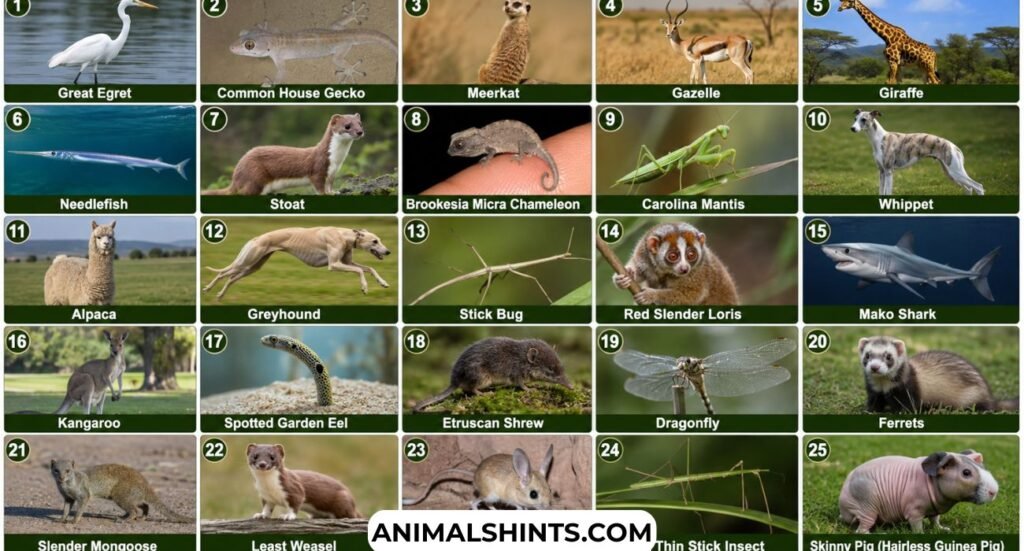
25 Skinny Animals That Rule the Wild
1. Great Egret
Scientific Name: Ardea alba
Class: Aves
The Great Egret is a stunning example of slender animals in the bird world. This elegant bird has a slender body and an incredibly long neck that it uses for hunting.
You will often spot this skinny animal standing motionless in wetlands and marshlands. Its striking white plumage makes it easy to spot against green vegetation.
The Great Egret uses its long legs to wade through shallow estuaries and freshwater ponds. It waits patiently for fish or amphibians to swim within striking distance.
This hunting technique requires incredible patience. The bird remains perfectly still for long periods. When prey approaches, it strikes with lightning speed.
Climate change and habitat loss threaten the wetlands where these birds live. Protecting these ecosystems is vital for the Great Egret’s survival.
2. Common House Gecko
Scientific Name: Hemidactylus frenatus
Class: Reptilia
The Common House Gecko is one of the most familiar skinny animals found in homes worldwide. This tiny reptile has a remarkably slender body and minimalistic limbs.
These skinny creatures measure about four to six inches long. Their small size helps them navigate urban environments with ease.
Common House Geckos thrive in both tropical climates and temperate climates. They are true survivors in human-dominated landscapes.
These slender animals communicate using chirps and clicks. They use these sounds to establish territory and attract mates.
You will often see them on walls and ceilings at night. They hunt insects using their incredible agility and sticky toe pads.
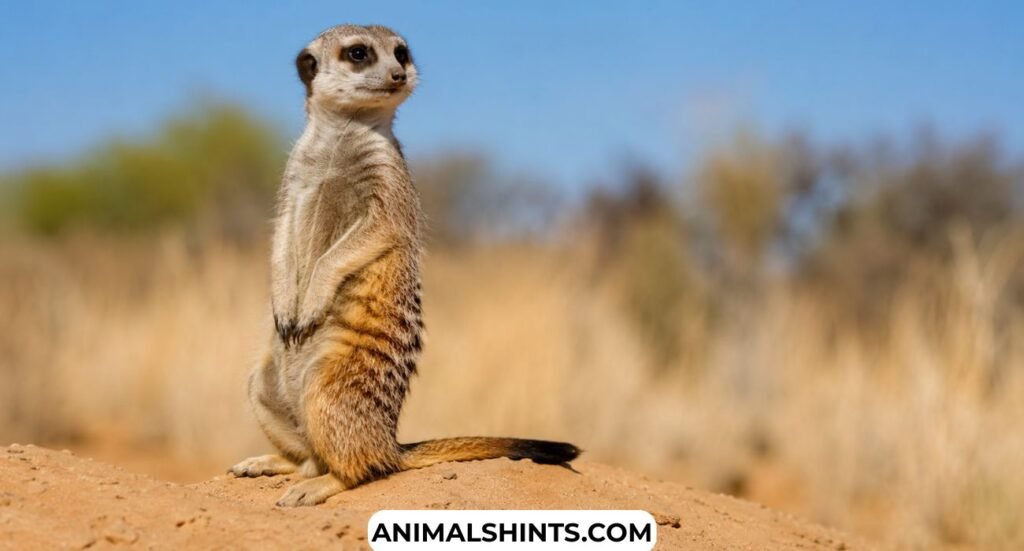
3. Meerkat
Scientific Name: Suricata suricatta
Class: Mammalia
Meerkats are famous skinny animals known for their upright posture. These slender animals have slim bodies that allow them to stand tall and survey their surroundings.
Living in large groups called mobs, meerkats show complex social behavior. Some members forage for food while others act as sentinels.
Their communication system is highly developed. They use vocalizations, body language, and even facial expressions to share information.
These skinny creatures are incredibly playful. Their interactions strengthen bonds within the group and teach important survival skills.
Cooperative hunting and cooperative burrowing are key to their success. They work together to find food and build elaborate underground homes.
4. Gazelle
Scientific Name: Gazella
Class: Mammalia
Gazelles are the ultimate symbol of graceful animals. These slender animals have long legs and lean muscular bodies built for speed.
When threatened, gazelles can reach speeds of 60 kilometers per hour. Their lightweight frames allow them to outrun most predators.
These skinny animals perform incredible stotting jumps when danger approaches. This behavior signals to predators that they are fit and ready to escape.
Gazelles live in herds in arid landscapes across Africa and Asia. They have evolved to survive in harsh environments with limited resources.
Their slender physique is not just for show. It allows them to conserve energy in their challenging habitats.
5. Giraffe
Scientific Name: Giraffa camelopardalis
Class: Mammalia**
The giraffe is the tallest skinny animal in the world. Its long neck and slender limbs make it one of the most recognizable creatures on Earth.
Male giraffes engage in necking contests to establish dominance. They swing their necks to strike each other in displays of strength.
These skinny animals have developed acute eyesight to spot danger from far away. Their height gives them a unique advantage in the savannahs and woodlands.
Giraffes graze in groups for safety. Multiple sets of eyes watch for threats while others feed.
Their slender necks allow them to reach foliage that other herbivores cannot access. This gives them access to food even during dry seasons.
6. Needlefish
Scientific Name: Belonidae
Class: Actinopterygii
Needlefish are some of the most long skinny animals in the ocean. Their aerodynamic bodies and razor-sharp jaws make them deadly predators.
These skinny animals glide through coastal waters with incredible agility. Their streamlined form allows them to dart at prey with pinpoint accuracy.
Needlefish hunt smaller fish and crustaceans. Their elongated bodies have evolved over millions of years for perfect efficiency.
Despite their fragile appearance, these fish are fierce hunters. They combine elegance with lethal precision.
You can find them in marine environments around the world. They prefer shallow waters near coastlines and coral reefs.
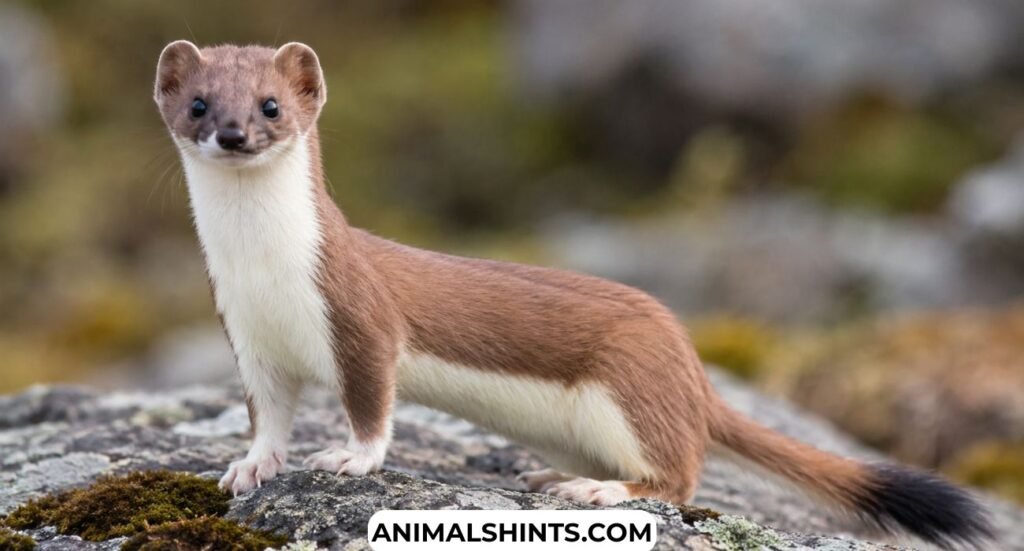
7. Stoat
Scientific Name: Mustela erminea
Class: Mammalia
The stoat is a fierce skinny animal with an elongated body. Often mistaken for a weasel, this creature is a master hunter.
These slender animals change their coat color with the seasons. They wear brown in summer and turn white in winter for camouflage.
Stoats are skilled hunters that can take down prey much larger than themselves. Their sleek physique allows them to pursue prey into burrows.
The famous “stoat dance” is a unique defensive behavior. The animal performs playful antics to distract predators and escape danger.
These skinny creatures play a vital role in controlling rodent populations. They maintain balance in their ecosystems.
8. Brookesia Micra Chameleon
Scientific Name: Brookesia micra
Class: Reptilia
The Brookesia Micra Chameleon is one of the tiniest skinny animals on Earth. It measures less than an inch in length.
This miniature reptile lives in the leaf-littered forests of Madagascar. Its tiny size helps it hide from predators among fallen leaves.
The Brookesia Micra uses expert camouflage to blend into its surroundings. It can disappear into the forest floor within seconds.
These skinny creatures are masters of microhabitats. They exploit spaces that larger predators cannot access.
Climate change and habitat destruction threaten this unique species. Its tiny size makes it an important indicator of environmental health.
9. Carolina Mantis
Scientific Name: Stagmomantis carolina
Class: Insecta
The Carolina Mantis is a slender animal with a triangular head and elongated body. This predatory insect is a master of disguise.
You can find these skinny animals in gardens and grasslands across the eastern United States. They blend perfectly with leaves and stems.
Their slender shape helps them navigate tight spaces while hunting. They strike with incredible speed when prey comes near.
Males perform delicate courtship dances to attract females. However, females sometimes consume their partners after mating.
These insects play a crucial role in pest control. They help maintain balance in their ecosystems by eating harmful insects.
10. Whippet
Scientific Name: –
Class: Mammalia
Whippets are elegant skinny animals with sleek profiles. These medium-sized dogs are built for speed and grace.
Originating from England, whippets were bred for racing and hunting. Their slender bodies allow them to reach impressive speeds.
Despite their racing heritage, whippets are gentle companions. They love to cuddle and are often called “couch potatoes.”
These slim animals require minimal grooming. Their short coats make them easy to care for.
Whippets adapt well to various living situations. They thrive in both busy cities and quiet suburban areas.
11. Alpaca
Scientific Name: Vicugna pacos
Class: Mammalia
Alpacas are skinny animals with slender necks and luxurious fleece. These camelids are native to the Andes mountains.
Their sleek physique allows efficient grazing on sparse vegetation. They are eco-friendly alternatives to sheep for fiber production.
These slender animals live in herds and form close bonds. Their gentle hierarchy is based on age and personality rather than aggression.
Alpacas communicate through subtle body language. They show intelligence and empathy often underestimated by humans.
Their slender necks and graceful movements make them captivating to watch. They are both practical and beautiful creatures.
12. Greyhound
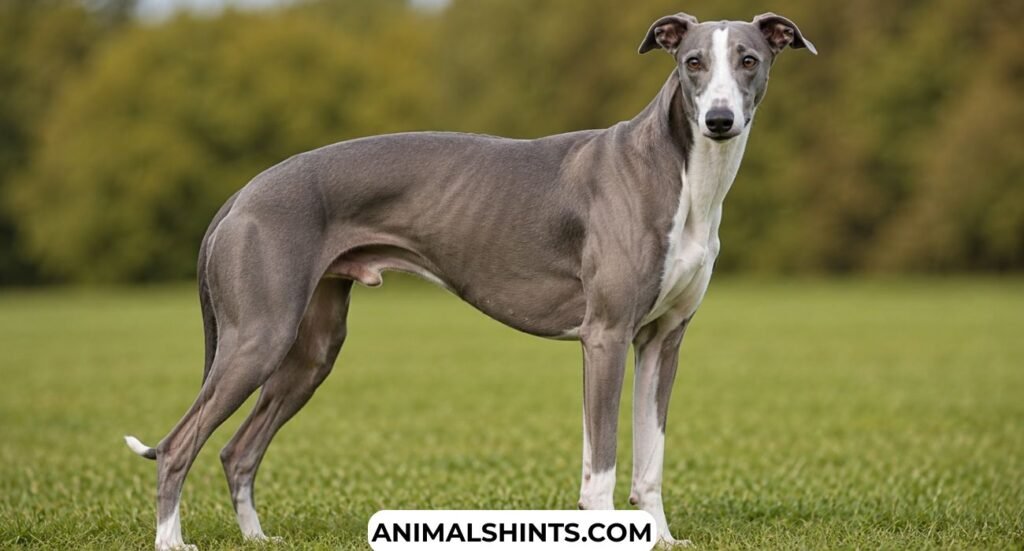
Scientific Name: –
Class: Mammalia
Greyhounds are the ultimate skinny animals among dog breeds. Their aerodynamic bodies are built for incredible speed.
These sleek animals can reach up to 45 miles per hour. Their streamlined form makes them the fastest dog breed over short distances.
Despite their racing reputation, greyhounds are famously lazy. They love to relax and are called “couch potatoes” by owners.
These slender animals have gentle temperaments. They are calm and adaptable to different living environments.
Greyhounds require minimal grooming. Their short coats and sleek profiles make them low-maintenance pets.
13. Stick Bug
Scientific Name: Phasmatodea
Class: Insecta
Stick bugs are masters of disguise among skinny animals. Their elongated bodies look exactly like twigs or branches.
These long skinny animals are nearly invisible to predators. Their camouflage is one of the most effective in nature.
Many stick bug species are parthenogenetic. Females can reproduce without mating, allowing populations to thrive.
Their slow, deliberate movements enhance their disguise. Sudden motions might attract unwanted attention.
These skinny creatures are herbivores. They feed on leaves and blend perfectly with their plant habitats.
14. Red Slender Loris
Scientific Name: Loris tardigradus
Class: Mammalia
The Red Slender Loris is a fascinating skinny animal with elongated limbs. Its large eyes and slender physique make it look almost otherworldly.
These slender animals live in Southeast Asian forests. They play a vital role in their ecosystems by controlling insect populations.
Red Slender Lorises can freeze in place for hours. This defense mechanism helps them avoid predators.
Habitat loss and poaching threaten their survival. Conservation efforts are urgently needed to protect these unique creatures.
Their elongated limbs help them climb trees and reach prey. They are perfectly adapted to their arboreal lifestyle.
15. Mako Shark
Scientific Name: Isurus oxyrinchus
Class: Chondrichthyes
The Mako Shark is a skinny animal with a sleek profile and aerodynamic body. It is one of the fastest sharks in the ocean.
These slender animals can reach speeds of 45 miles per hour. Their streamlined form helps them hunt with incredible efficiency.
Mako Sharks use porpoising to gain momentum while hunting. They leap out of the water to chase prey.
Their warm-bloodedness allows them to thrive in cold waters. This adaptation gives them an edge over other predators.
These skinny creatures are apex predators. They play a crucial role in maintaining ocean ecosystem balance.
Read also: Spiritual Meanings of Seeing a White Spider
16. Kangaroo
Scientific Name: Macropus
Class: Mammalia
Kangaroos are lean muscular skinny animals with powerful hind legs. Their lightweight frames allow them to leap great distances.
These slender animals can jump up to 30 feet in a single bound. Their graceful movements make them iconic symbols of Australia.
Kangaroos use a unique energy-efficient mode of locomotion. This helps them conserve energy in their arid landscapes.
Female kangaroos show remarkable maternal care. They adjust their milk’s composition based on their joey’s needs.
These skinny creatures live in social groups called mobs. They communicate through subtle body language and maintain fluid hierarchies.
17. Spotted Garden Eel
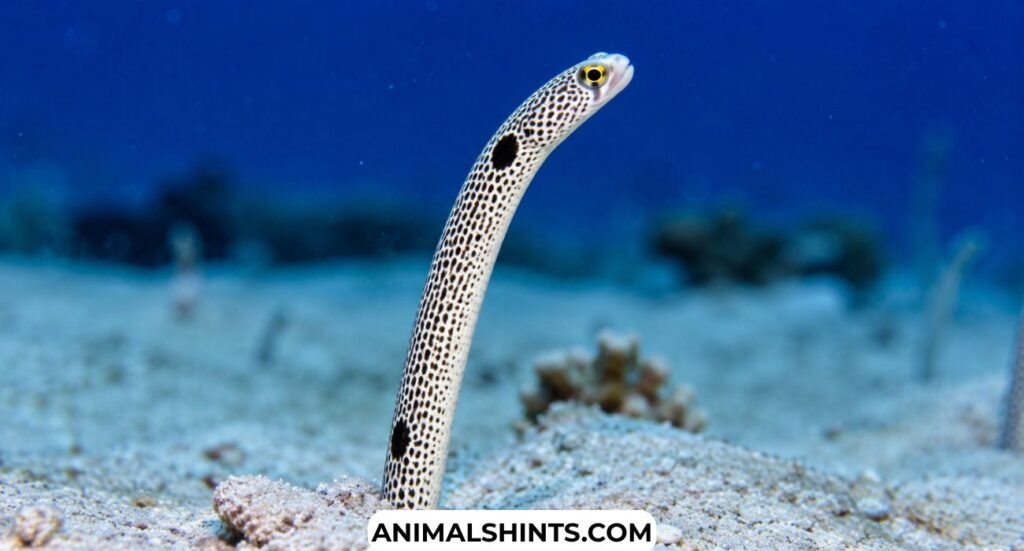
Scientific Name: Heteroconger hassi
Class: Actinopterygii
The Spotted Garden Eel is a slender animal with a long, spotted body. It lives on the sandy seafloor of tropical oceans.
These skinny animals burrow into the sand with only their heads exposed. They sway gracefully in ocean currents.
Spotted Garden Eels live in large colonies. They communicate through subtle movements and maintain intricate social structures.
These slender animals feed on plankton. They use their elongated bodies to reach food floating in the water.
Their spots serve as both camouflage and individual recognition. Each eel has a unique pattern.
18. Etruscan Shrew
Scientific Name: Suncus etruscus
Class: Mammalia
The Etruscan Shrew is the world’s smallest skinny animal. It weighs less than a penny and has a tiny, slender body.
These skinny creatures have an incredibly high metabolism. Their heart beats over 1,000 times per minute.
The Etruscan Shrew must eat constantly to survive. Its rapid heart rate demands a continuous supply of food.
These thin animals live in woodlands and shrublands. They hunt insects with remarkable speed and efficiency.
Despite their small size, they are fierce predators. Their slender bodies allow them to chase prey through tight spaces.
19. Dragonfly
Scientific Name: Anisoptera
Class: Insecta
Dragonflies are skinny animals with long, slender abdomens. Their shimmering wings are a marvel of nature.
These slender animals are incredible flyers. They can hover, dart, and even fly backward.
Dragonflies are voracious predators. They help control mosquito populations and maintain environmental health.
Their elongated bodies reduce drag during flight. This gives them unmatched agility and speed.
These skinny creatures are indicators of clean water. Their presence signals healthy freshwater habitats.
20. Ferrets
Scientific Name: Mustela putorius furo
Class: Mammalia
Ferrets are playful skinny animals with sleek, elongated bodies. These intelligent creatures make wonderful pets.
Their slender physique allows them to explore every nook and cranny. Their natural curiosity leads to entertaining antics.
Ferrets were originally domesticated for hunting. Their slim bodies helped them pursue prey into burrows.
These slender animals are highly social. They enjoy play-fighting and cooperative burrowing with companions.
Ferrets have surprisingly rich social lives. They form strong bonds with both humans and other ferrets.
21. Slender Mongoose
Scientific Name: Galerella sanguinea
Class: Mammalia
The slender mongoose is one of the most agile skinny animals in Africa. Its elongated body and sleek profile make it an expert hunter.
These slender animals have long legs that give them incredible speed. They can dart through grasses and rocks with amazing agility.
Slender mongooses are active during the day. They hunt insects, small reptiles, and rodents using their streamlined form.
Their slim bodies allow them to chase prey into tight spaces. This gives them an advantage over bulkier predators.
These skinny creatures are found across Africa. They adapt well to various habitats from savannahs to woodlands.
22. Least Weasel
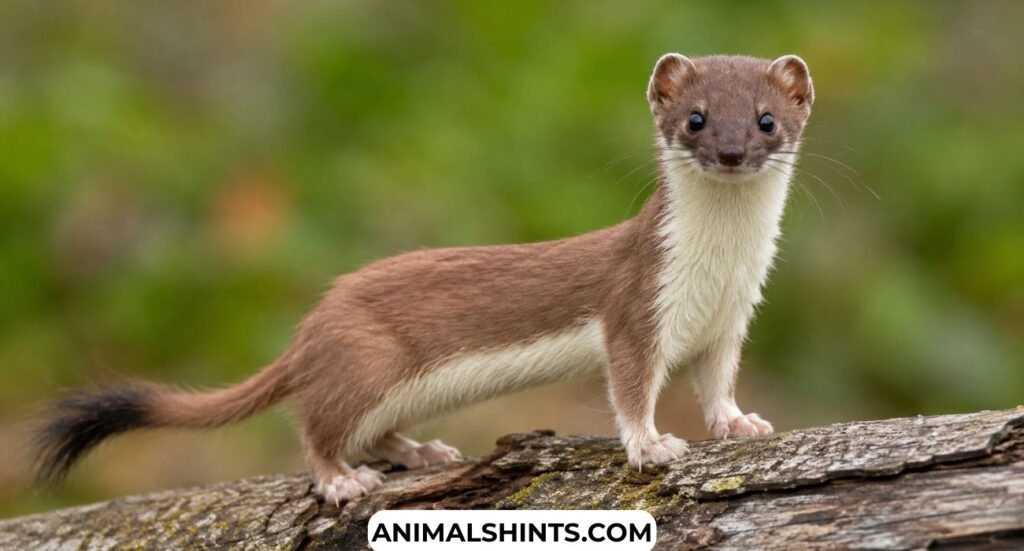
Scientific Name: Mustela nivalis
Class: Mammalia
The least weasel is the world’s smallest mammalian carnivore. This tiny creature has a remarkably slender body and flexible frame.
These skinny animals have elongated bodies that help them pursue prey into burrows. Their slim build is perfect for hunting small rodents.
The least weasel has a long, thin body with a small head. Its short legs and tail complete its sleek profile.
These skinny creatures are fierce predators despite their size. They can take down prey larger than themselves.
Their slender physique allows them to navigate through narrow tunnels. This makes them highly effective hunters in complex environments.
23. Jerboa
Scientific Name: Jaculus
Class: Mammalia
The jerboa is a desert skinny animal with a unique appearance. Its long hind legs and slender body make it a remarkable jumper.
These slim animals have lightweight frames that allow incredible leaps. They use their tails as counterweights during jumps.
Jerboas spend their days in burrows to escape the desert heat. They emerge at night to forage for seeds and plants.
Their slender bodies help them conserve energy in harsh environments. Every part of their physique is adapted for survival.
These skinny creatures are masters of desert living. Their graceful movements make them fascinating to observe in the wild.
24. Great Thin Stick Insect
Scientific Name: Ramulus nematodes
Class: Insecta
The great thin stick insect is one of the most impressive long skinny animals. Its elongated body resembles a twig perfectly.
These skinny animals are masters of camouflage. They look exactly like branches, making them nearly invisible to predators.
Their slender bodies and minimalistic limbs help them blend with their environment. This adaptation protects them from hungry birds and reptiles.
These slender animals feed on leaves and stay perfectly still during the day. Their sleek profile allows them to avoid detection.
Habitat loss threatens some stick insect populations. Protecting their forests and woodlands is essential for their survival.
25. Skinny Pig (Hairless Guinea Pig)
Scientific Name: Cavia porcellus
Class: Mammalia
The skinny pig is a unique skinny animal created through selective breeding. These hairless guinea pigs have sleek profiles and charming personalities.
These slender animals have some hair on their muzzles, feet, and legs. Their smooth bodies give them a distinctive appearance.
Skinny pigs have higher metabolisms than furry guinea pigs. They need extra food to stay warm without fur for insulation.
These skinny creatures are gentle and loving pets. They form strong bonds with their human companions.
Their tiny size and slender physique make them easy to handle. These slim animals are perfect for people wanting unique pets.
Why Skinny Animals Are Important
Skinny animals play vital roles in their ecosystems. Their slender bodies help them perform specific functions that maintain balance.
Many slender animals are insectivores. They help control pest populations without chemicals. Others are herbivores that shape plant communities.
These skinny creatures are often indicators of environmental health. Their presence or absence tells us about ecosystem balance.
Biodiversity depends on the survival of all species. Skinny animals contribute to this diversity in unique ways.
Conservation efforts must include these remarkable creatures. Protecting their habitats ensures a healthy planet for everyone.
Fun Facts About Skinny Animals
Did you know that skinny animals have some amazing abilities? Here are some fascinating facts:
The Etruscan shrew has the fastest heart rate of any mammal. It beats over 1,000 times per minute.
Stick bugs can reproduce without males. This parthenogenetic ability helps them survive in sparse conditions.
Gazelles can jump up to 10 feet high. Their stotting jumps signal fitness to predators.
Giraffes have the longest necks of any animal. They use them in necking contests for dominance.
Dragonflies have been flying for over 300 million years. They are among the oldest insects on Earth.
How Skinny Animals Adapt to Their Environments
Skinny animals have evolved remarkable adaptations. Their slender bodies help them survive in diverse habitats.
In deserts, thin animals conserve water and energy. Their lightweight frames reduce heat absorption.
In forests, slender animals navigate through dense vegetation. Their elongated bodies slip through tight spaces.
In water, aerodynamic bodies reduce drag. This helps skinny animals swim faster and hunt efficiently.
In the air, streamlined forms improve agility. Dragonflies and birds use this to catch prey and avoid predators.
These adaptations show the incredible power of evolution. Skinny animals are perfectly suited to their environments.
The Role of Skinny Animals in Food Chains
Skinny animals occupy important positions in food chains. Their slender bodies help them fulfill specific roles.
Predators like the stoat and mako shark control prey populations. Their sleek profiles make them effective hunters.
Herbivores like the gazelle and giraffe shape plant communities. Their slender necks and long legs help them reach food.
Insectivores like the Etruscan shrew and Carolina mantis control insect populations. Their skinny bodies allow quick movement.
Omnivores like ferrets adapt to various food sources. Their slender builds help them access different prey.
Every skinny animal plays a part in maintaining ecosystem balance. Their survival is essential for healthy environments.
Threats Facing Skinny Animals
Many skinny animals face serious threats today. Habitat loss is the biggest challenge for most species.
Climate change affects skinny animals in many ways. Changing temperatures alter their habitats and food sources.
Pollution harms marine environments where creatures like the mako shark and needlefish live.
Poaching threatens species like the red slender loris. Illegal wildlife trade endangers these unique creatures.
Invasive species compete with native skinny animals. They disrupt the natural balance of ecosystems.
Conservation efforts are crucial for protecting skinny animals. Everyone can help by supporting wildlife protection.
How to Protect Skinny Animals
Protecting skinny animals starts with awareness. Learning about these creatures is the first step.
Support conservation organizations that protect wildlife. Donations and volunteer work make a real difference.
Reduce your environmental impact. Simple actions like recycling help preserve habitats.
Choose sustainable products. Avoid items that contribute to habitat destruction.
Spread the word about skinny animals. Share what you have learned with friends and family.
Every small action helps protect biodiversity. Together, we can ensure these slender animals survive for future generations.
The Beauty of Skinny Animals
Skinny animals are truly beautiful creations of nature. Their graceful movements and sleek profiles inspire wonder.
From the great egret’s striking white plumage to the dragonfly’s shimmering wings, these creatures amaze us.
Their slender bodies show us how diversity makes nature beautiful. Each species has its own special charm.
Skinny animals remind us of the incredible variety of life on Earth. They deserve our appreciation and protection.
Next time you see a skinny animal, take a moment to admire it. These remarkable creatures are truly one of a kind.
Why Are Some Animals Naturally Skinny?
Skinny animals have evolved their slender bodies for specific survival reasons. Their lightweight frames help them escape predators more efficiently. A slim animal requires less energy to move, which is crucial in environments where food is scarce. These thin animals have developed elongated bodies that allow them to navigate through dense vegetation, narrow burrows, or tight spaces with remarkable ease.
Evolution has favored skinny creatures across different habitats. In arid landscapes, slender animals conserve water and stay cool more effectively. In marine ecosystems, streamlined forms reduce drag and enable faster swimming. Whether it’s the graceful build of a gazelle or the sleek profile of a mako shark, being skinny offers undeniable advantages for survival in the wild.
See also: Spiritual Meanings of Dead Rabbit
How Do Skinny Animals Survive in the Wild?
Skinny animals use their slender physiques as powerful survival tools. Their agile bodies allow quick escapes from predators. Many slender animals are incredibly fast, using their lightweight frames to outrun danger. Their slim bodies also make them less visible, helping them hide from threats in their natural habitats.
These thin animals have developed unique hunting techniques based on their shape. Slender animals like the stoat can chase prey into underground burrows. Others like the great egret use their long necks and long legs to catch fish in wetlands. Their skinny creatures status gives them access to food sources that heavier animals cannot reach.
FAQ’s
Which animals are skinny?
Many animals have naturally slim bodies, including greyhounds, cheetahs, snakes, and gazelles. Their lean shape helps them move quickly and efficiently.
What are some thin animals?
Some thin animals include stick insects, eels, snakes, weasels, cheetahs, and whippets. These animals have narrow bodies suited to their habitats and lifestyles.
Which animal is the slimmest?
The ribbon eel is one of the slimmest animals because of its long, thin body. Among land animals, the stick insect is famous for its extremely slender shape.
What is a tall, skinny animal?
The giraffe is the best-known tall, skinny animal with its long neck and slim legs. Its height helps it reach leaves high in trees.
Conclusion
Skinny animals live in many habitats around the world. Some have long, thin bodies, while others have slim legs or narrow shapes. Their body structure helps them run fast, climb well, swim easily, or hide from danger. Each species uses its slim body in a different way to survive and find food in nature every day.
Learning about skinny animals helps us understand how animals adapt to their environments. Every animal has special features that match its lifestyle and habitat. From graceful giraffes to speedy cheetahs and slender snakes, these amazing creatures show the beauty of nature. Protecting wildlife helps future generations enjoy and learn from these remarkable animals.