
Explore Top 25 Quiet Animals in the World (With Images)
Quiet animals are creatures that make very little noise. They often move calmly and quietly in nature. Their peaceful behavior helps them stay safe and avoid danger.
Some animals can live without making much sound. Their quiet habits make them special and interesting to watch. From slow sloths to silent owls, nature has many quiet animals.
Quiet animals use different ways to stay peaceful. Some hide in trees, while others move silently to find food. Their quiet nature helps them survive in their natural homes.
Read this too: 25 Skinny animals
List of Quiet Animals in the World
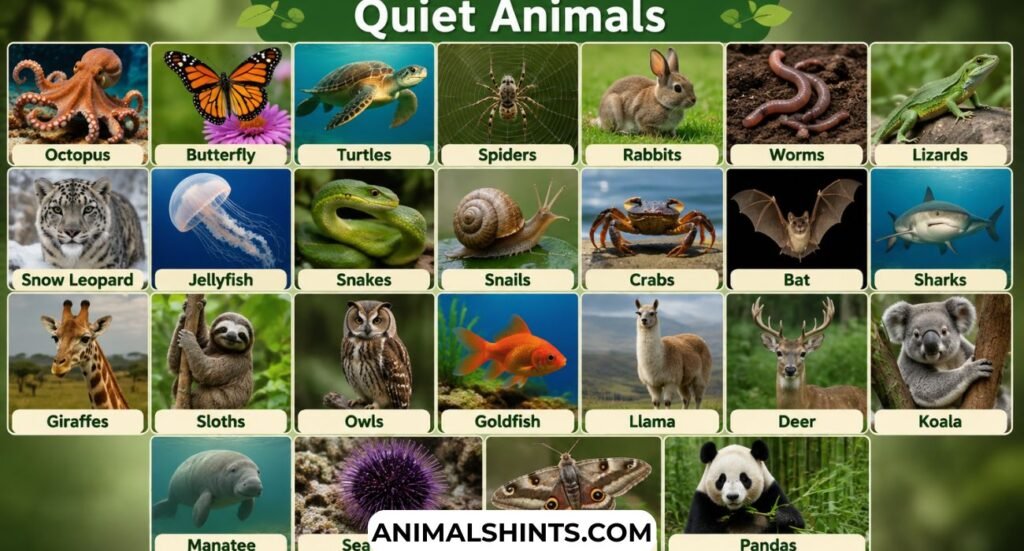
Here is our complete list of silent creatures from around the globe:
| Number | Animals That Are Quiet |
| 1 | Octopus |
| 2 | Butterfly |
| 3 | Turtles |
| 4 | Spiders |
| 5 | Rabbits |
| 6 | Worms |
| 7 | Lizards |
| 8 | Snow Leopard |
| 9 | Jellyfish |
| 10 | Snakes |
| 11 | Snails |
| 12 | Crabs |
| 13 | Bat |
| 14 | Sharks |
| 15 | Giraffes |
| 16 | Sloths |
| 17 | Owls |
| 18 | Goldfish |
| 19 | Llama |
| 20 | Deer |
| 21 | Koala |
| 22 | Manatee |
| 23 | Sea Urchins |
| 24 | Moths |
| 25 | Pandas |
In-Depth Profiles of Quiet Animals
Octopus
Scientific name: Octopus vulgaris
Class: Cephalopoda
Diet: Carnivore
The octopus is a true master of silence in the underwater world. These incredibly intelligent creatures use octopus camouflage to blend seamlessly into their surroundings, changing both color and texture in an instant. This remarkable ability serves as both a powerful defense mechanism against predators and a silent form of communication with other cephalopods.
Unlike many marine animals that rely on vocalizations or other sounds, octopuses navigate their world without producing any noise. They use visual displays, touch, and color changes to convey messages. Their intelligence rivals that of many mammals, yet they explore the ocean depths without ever making a single sound.
Some octopus species can solve complex puzzles, open jars, and even use tools. Their problem-solving abilities are remarkable, and they do all of this in complete silence. The mimic octopus can even imitate the shapes and movements of other sea creatures to avoid danger, proving that silence and deception often go hand in hand.
Butterfly
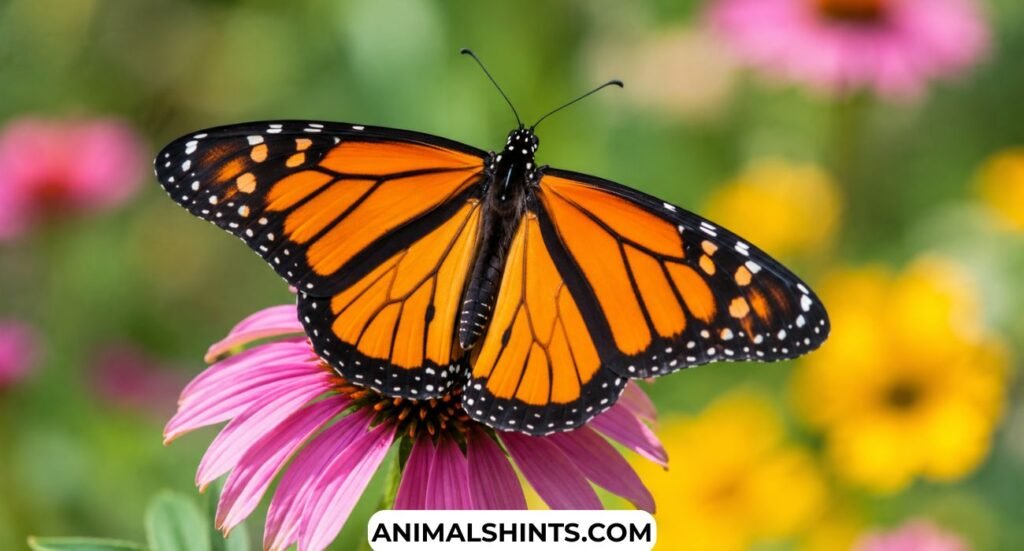
Scientific name: Danaus plexippus
Class: Insecta
Diet: Herbivore
Butterfly pollination happens in complete silence. These delicate insects flit from flower to flower without producing any audible sound. Their vibrant wings create no noise as they move through gardens and meadows, making them one of the most peaceful creatures in the natural world.
Butterflies rely entirely on visual signals for communication. They use their colorful wings to attract mates and warn predators, all without making a sound. The monarch butterfly, for example, displays bright orange and black patterns that signal its toxic nature to birds.
Some butterfly species migrate thousands of miles each year. The monarch butterfly travels from North America to Mexico in a journey that spans multiple generations. Throughout this incredible migration, these silent animals travel in complete silence, gliding on air currents without disturbing the peace of the skies.
Turtles
Scientific name: Testudines
Class: Reptilia
Diet: Omnivore
Turtle navigation is one of the most remarkable feats in the natural world. These ancient reptiles can travel thousands of miles across open oceans to return to their exact birthplaces, all without making a sound. Turtles are naturally animals that are shy, preferring to retreat into their protective shells rather than engage in vocal confrontations.
Sea turtles spend most of their lives in complete silence, only occasionally making soft hissing sounds when threatened. Their peaceful existence has remained virtually unchanged for over 200 million years. The leatherback turtle, the largest of all sea turtles, can dive to depths of nearly 4,000 feet in search of jellyfish, all while maintaining complete silence.
Freshwater turtles and tortoises are equally quiet. They communicate through subtle body language and touch. Male turtles often gently tap the shells of females during courtship, creating a silent rhythm that signals their intentions. This gentle behavior reflects their overall peaceful nature.
Spiders
Scientific name: Araneae
Class: Arachnida
Diet: Carnivore
The intricate spider webs you see glistening with morning dew in gardens are built in complete silence. These eight-legged architects create complex structures without making any noise. Spiders rely on vibrations traveling through their webs to detect prey, not sound.
Most people never hear a spider, and for good reason—they don’t have vocal cords. Their silent hunting technique makes them incredibly effective predators in the insect world. The orb-weaver spider spins elaborate circular webs that can catch prey many times its size, all while working in absolute silence.
Some spider species, like the jumping spider, don’t build webs at all. Instead, they rely on exceptional vision and remarkable agility to pounce on prey. They communicate through intricate dances and leg movements, creating a silent language of gestures that rival any spoken form of communication.
Rabbits
Scientific name: Oryctolagus cuniculus
Class: Mammalia
Diet: Herbivore
A rabbit binky is a joyful leap that rabbits perform when happy, and it happens without making a sound. These gentle creatures have underdeveloped vocal cords, which explains why they are such quiet pets for families and individuals alike.
Rabbits communicate almost entirely through body language. Ear positions, nose twitches, and foot thumps all convey messages without vocalization. When rabbits sense danger, they thump their hind legs on the ground, creating vibrations that warn other rabbits without making much noise.
A rabbit’s ears can rotate 270 degrees to detect sounds from any direction. Despite their excellent hearing, they rarely use vocalizations themselves. Instead, they rely on subtle gestures. Grooming is an important social activity among rabbits, strengthening bonds without a single word. Even their soft purring sound, which they make when content, is barely audible to human ears.
Worms
Scientific name: Lumbricus terrestris
Class: Clitellata
Diet: Detritivore
Worm composting happens silently beneath our feet. These humble creatures work tirelessly to break down organic matter and enrich soil. Worms don’t have lungs or vocal cords, making them completely mute and unable to produce any sound.
They communicate through touch and chemical signals. Their ability to sense vibrations in the soil helps them avoid predators like moles and birds without making any sound. An earthworm can process its own body weight in soil every day, aerating the ground and creating channels for plant roots.
These animals that don’t make noise are essential for healthy soil. Their burrowing activities improve water infiltration and nutrient cycling. Despite their complete silence, worms communicate with each other through pheromones and physical contact, coordinating their movements in ways that continue to puzzle scientists.
Lizards
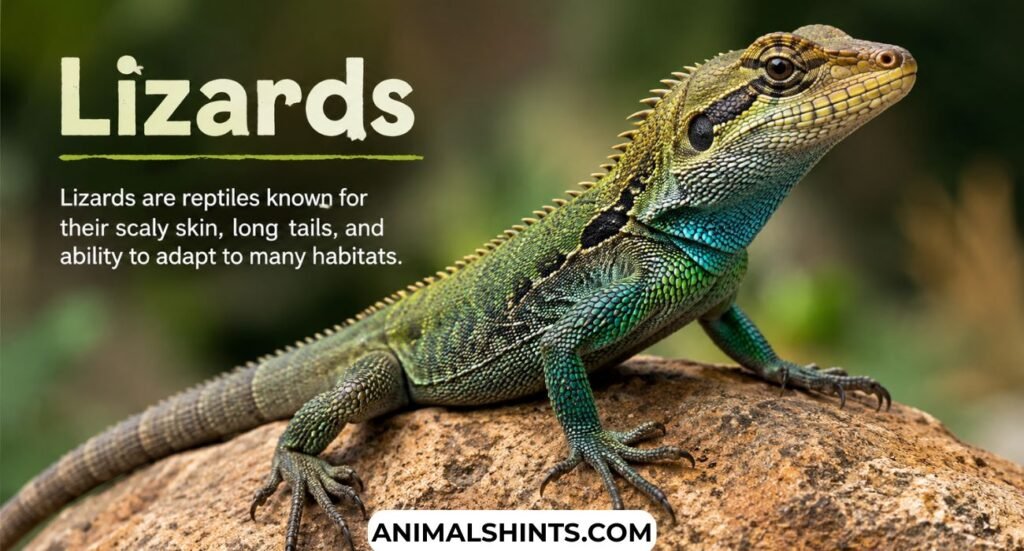
Scientific name: Lacertilia
Class: Reptilia
Diet: Carnivore/Omnivore
Lizard camouflage is one of nature’s most effective survival strategies. Many lizards can change color to match their surroundings, and they do this without making a sound. Most lizards are quiet reptiles that rely on visual displays rather than vocalizations.
Some species communicate through head bobs and push-ups, creating a silent language of movement. The green anole, for example, performs elaborate push-up displays to establish territory and attract mates. These movements are so precise that other lizards can interpret them from a distance.
Geckos are the notable exception, as they can produce chirping sounds. However, most lizards remain completely silent throughout their lives. The chameleon’s ability to change color is not just for camouflage but also serves as a silent communication system. Brighter colors indicate aggression or readiness to mate, while darker colors suggest submission.
Snow Leopard
Scientific name: Panthera uncia
Class: Mammalia
Diet: Carnivore
The snow leopard habitat in Central Asia’s towering mountains is home to one of the most elusive predators on Earth. These magnificent cats are known as the “ghosts of the mountains” because of their ability to move without making a sound through rocky terrain.
Unlike other big cats, snow leopards cannot roar. They produce only soft vocalizations, making them among the quietest mammals in the cat family. Their silent hunting technique allows them to approach prey within striking distance without detection.
Their thick fur, which can grow up to five inches long, helps them survive in temperatures as low as minus 40 degrees Fahrenheit. The snow leopard’s long tail, which can reach three feet in length, provides balance on steep rocky slopes. All of these adaptations work together in complete silence.
Despite their fearsome reputation as predators, snow leopards rarely attack humans. They are shy and elusive creatures that prefer to avoid confrontation. Their gentle nature, combined with their silence, makes them one of the most mysterious and admired gentle animals in the wild.
Jellyfish
Scientific name: Aurelia aurita
Class: Scyphozoa
Diet: Carnivore
Jellyfish bioluminescence creates spectacular light shows in the ocean’s depths, but these displays happen in complete silence. Jellyfish lack brains, vocal cords, and any sound-producing organs whatsoever.
These ancient creatures have existed for over 500 million years without ever making a sound. They drift through the oceans using pulsating movements, creating no noise as they go. The moon jellyfish, one of the most common species, has a translucent bell that pulses gently to propel it through the water.
Some jellyfish can produce light through chemical reactions in their bodies. This bioluminescence serves various purposes, from attracting prey to confusing predators. All of this happens in complete silence, making jellyfish one of the ultimate animals with no sound.
The box jellyfish is one of the most venomous creatures on Earth, yet it moves through the ocean without making a whisper. Its tentacles can stretch up to ten feet long and contain thousands of stinging cells. Despite their dangerous nature, jellyfish remain silent and serene as they drift through the currents.
Snakes
Scientific name: Serpentes
Class: Reptilia
Diet: Carnivore
Snake communication happens through vibrations and chemical signals rather than sound. Most snakes lack vocal cords, which makes them naturally quiet. While some species can hiss, this is just air being forced through their throat, not a true vocalization.
Snakes use their forked tongues to collect chemical information from the air. Their silent movements make them effective predators that can approach prey without warning. The black mamba, one of the fastest snakes in the world, can reach speeds of 12 miles per hour, all while moving in complete silence.
The king cobra, the world’s longest venomous snake, uses visual displays and body postures to communicate. When threatened, it raises its head and spreads its hood, creating an intimidating display without making a sound. Snakes have excellent vibration detection abilities, sensing the footsteps of approaching animals through their jawbones.
Some snake species are entirely aquatic and never leave the water. Sea snakes have adapted to marine life and swim silently through the ocean depths. Their paddle-shaped tails help them navigate coral reefs and hunting grounds without making any noise.
Snails
Scientific name: Helix aspersa
Class: Gastropoda
Diet: Herbivore
Snail mucus serves many purposes, including silent movement and communication. Snails glide along on a trail of slime without making any sound. They lack vocal cords completely, making them 100% silent creatures that navigate the world without producing any audible noise.
The only noise a snail might make is a soft hissing sound when retreating into its shell. Otherwise, they navigate the world through chemical signals and touch, leaving behind trails that other snails can read to determine species and mating readiness.
Snails possess thousands of tiny teeth on their tongues, called radula, which they use to scrape food. Despite this complex feeding apparatus, they eat in complete silence. Their slow movement, which can take hours to cover just a few feet, is completely soundless.
The giant African land snail, one of the largest snail species, can grow up to eight inches long. Despite its size, it moves silently through its environment. Snails are hermaphrodites, meaning each individual has both male and female reproductive organs. Their mating rituals involve gentle touches and chemical signals, all conducted without sound.
Crabs
Scientific name: Brachyura
Class: Malacostraca
Diet: Omnivore
Crab scavengers keep ocean floors clean and healthy without making a sound. These fascinating crustaceans communicate through body language and chemical signals rather than vocalizations.
Most crabs are quiet creatures that rely on subtle gestures to interact with each other. Their claws create visual displays, and they use pheromones to find mates and warn of danger—all without sound. The fiddler crab, named for its oversized claw, waves its claw in elaborate patterns to attract females and intimidate rivals.
Some crabs live in communal groups called colonies, yet they maintain their social structures in silence. The hermit crab, which uses discarded shells as homes, communicates through gentle tapping and chemical cues. Their ability to interact without sound is a testament to the power of non-verbal communication.
The coconut crab, the largest land-living arthropod, can weigh up to nine pounds. Despite its intimidating size, it moves quietly through tropical forests. It climbs trees to eat coconuts and returns to the forest floor in complete silence.
Bat
Scientific name: Chiroptera
Class: Mammalia
Diet: Omnivore/Insectivore/Frugivore
Bat echolocation is a remarkable adaptation that allows these creatures to navigate in complete darkness. While bats do produce sound, the frequencies they use are too high for humans to hear. This makes them appear completely silent to our ears.
Bats are actually some of the most vocal animals on Earth, but their sounds exist in a frequency range beyond human perception. Their complex social lives involve intricate vocalizations we simply cannot detect without special equipment. A single bat can emit up to 200 pulses per second while hunting.
The Mexican free-tailed bat forms colonies of millions of individuals in caves across North America. Despite this massive population, their echolocation clicks and social calls remain largely inaudible to humans. These bats eat vast quantities of insects, consuming up to 1,000 mosquitoes per hour.
Fruit bats, also known as flying foxes, do not use echolocation but navigate through excellent eyesight and sense of smell. They are often silent as they search for ripe fruit in tropical forests. Their quiet flight and gentle nature make them fascinating creatures to observe.
Read also: Top 18 big eyes animals
Sharks
Scientific name: Selachimorpha
Class: Chondrichthyes
Diet: Carnivore
Shark senses are extraordinarily developed, making vocalization completely unnecessary. Sharks lack vocal cords and lungs—they breathe through gills. This means they simply cannot produce sounds under any circumstances.
Sharks use their lateral line system to detect vibrations in the water and organs that sense electromagnetic fields from the heartbeats of prey. They communicate through body language like arching their backs or swimming in circles. Their silent hunting ability makes them apex predators.
The great white shark can detect a single drop of blood in 25 gallons of water. The hammerhead shark has a unique head shape that provides better sensory coverage. The whale shark, the largest fish in the ocean, can reach lengths of 40 feet and feeds by filtering plankton from the water.
Sharks have existed for over 400 million years, surviving multiple mass extinctions. Their ability to adapt and thrive in complete silence is a testament to their evolutionary success. Despite their fearsome reputation, many shark species are at risk of extinction due to overfishing and habitat loss.
Giraffes
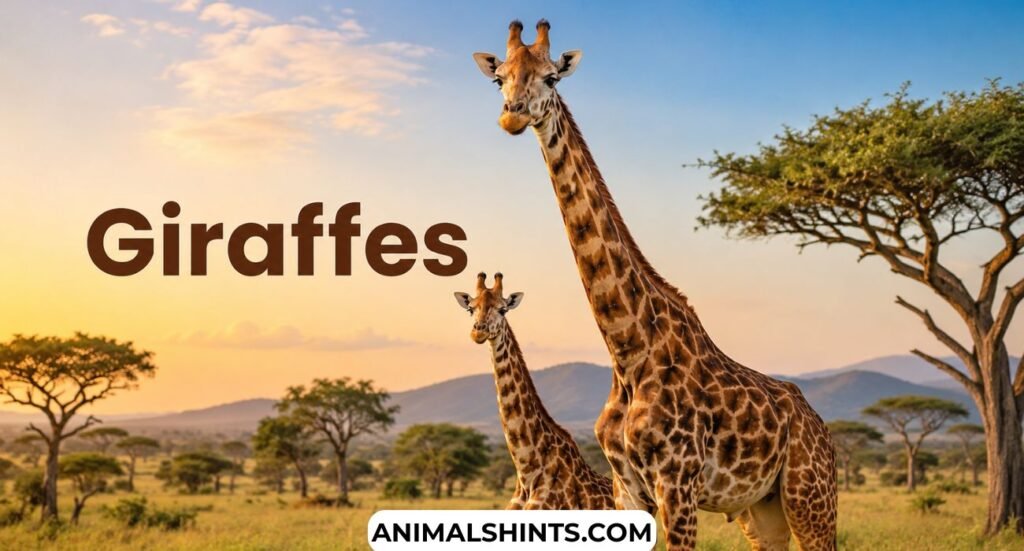
Scientific name: Giraffa camelopardalis
Class: Mammalia
Diet: Herbivore
Giraffe infrasound is a fascinating discovery that changed how we view these tall creatures. For a long time, people thought giraffes were completely silent. While they do have a voice box, their long necks make it difficult to push air to vibrate tissues.
Recent research shows that giraffes hum at night, producing low-frequency sounds that travel far. This allows the herd to stay connected in the dark without alerting predators. These sounds are too low for humans to hear, making giraffes one of the animals with no sound to our ears.
Giraffes are the tallest land animals on Earth, reaching heights of up to 18 feet. Despite their size, they move gracefully and quietly through the savannas of Africa. Their long necks allow them to reach leaves that other herbivores cannot access.
Male giraffes engage in necking, which is a form of combat where they swing their necks and heads at each other. This behavior happens in complete silence, with only the sound of bone meeting bone echoing across the plains.
Sloths
Scientific name: Bradypus variegatus
Class: Mammalia
Diet: Herbivore
Sloth metabolism is incredibly slow, contributing to their famously quiet lifestyle. These gentle creatures spend up to 20 hours a day sleeping in trees. Their slow movements and greenish fur, rich in algae, provide excellent camouflage.
Sloths are among the quietest zoo animals you might encounter. They rarely vocalize, preferring to live a peaceful, solitary existence high in the rainforest canopy. Their silence is so complete that they seem to blend into the very fabric of the forest.
There are six species of sloths, all native to Central and South America. The three-toed sloth can rotate its head up to 270 degrees, allowing it to survey its surroundings without moving its body. This adaptation helps it avoid predators while maintaining complete silence.
Sloths have a unique digestive system that can take up to a month to process a single meal. Their slow metabolism means they have very little energy for movement or sound. A sloth’s life is one of stillness and silence, perfectly adapted to its jungle home.
Owls
Scientific name: Strigiformes
Class: Aves
Diet: Carnivore
Owl silent flight is a marvel of natural engineering that has fascinated scientists for decades. These birds have specialized wing feathers that muffle sound, allowing them to approach prey without detection. The American barn owl’s near-silent flight comes from three special features:
First, serrated leading edges break up wind and reduce turbulence. Second, velvety feather texture damps sound as air passes over the wings. Third, soft fringes on the trailing edge further reduce noise. These adaptations make owls the ultimate stealthy animals.
Unlike many birds, owls’ movements create almost no noise. This gives them a significant advantage as nocturnal hunters. The barn owl can fly as slowly as two miles per hour while remaining completely silent.
There are over 200 owl species worldwide, from the tiny elf owl to the massive great gray owl. Despite their differences in size, all owls share the common trait of silent flight. Their flat facial discs act as satellite dishes, funneling sound toward their asymmetrical ears.
Goldfish
Scientific name: Carassius auratus
Class: Actinopterygii
Diet: Omnivore
Goldfish memory is much better than most people realize. These popular pets can learn and remember tasks for months. They can recognize their owners and even navigate mazes to find food. Like many fish, goldfish lack the ability to produce sound.
Goldfish communicate through body movements and changes in color. Their silent nature makes them one of the most popular quiet pets for apartments and homes. A goldfish can live for ten years or more with proper care.
The common goldfish comes in many varieties, including the fancy goldfish with its distinctive egg-shaped body and elaborate fins. Their graceful swimming creates a calming atmosphere in any room. Watching goldfish glide through water is a peaceful experience that promotes relaxation.
Goldfish have excellent color vision and can distinguish between different shapes. They are social animals that enjoy the company of other goldfish, forming bonds through silent interactions.
Llama
Scientific name: Lama glama
Class: Mammalia
Diet: Herbivore
Llama therapy has become increasingly popular because of these animals’ gentle, calming presence. Llamas are generally quiet mammals that communicate through subtle body language. They rarely make loud noises, preferring soft humming sounds to express themselves.
Their peaceful nature makes them excellent companions for people seeking emotional support. Unlike other livestock, llamas are not prone to excessive vocalization. They can be trained to walk on leashes and even participate in hiking trips with their owners.
Llamas are native to the Andes Mountains of South America, where they have been domesticated for thousands of years. They were used as pack animals by the Inca civilization, carrying loads across rough terrain. Their sure-footedness and calm demeanor made them ideal companions for mountain journeys.
These tranquil animals have excellent vision and hearing. They can spot predators from great distances and alert the herd without creating panic. Their ability to remain calm in stressful situations makes them valuable therapy animals.
Deer
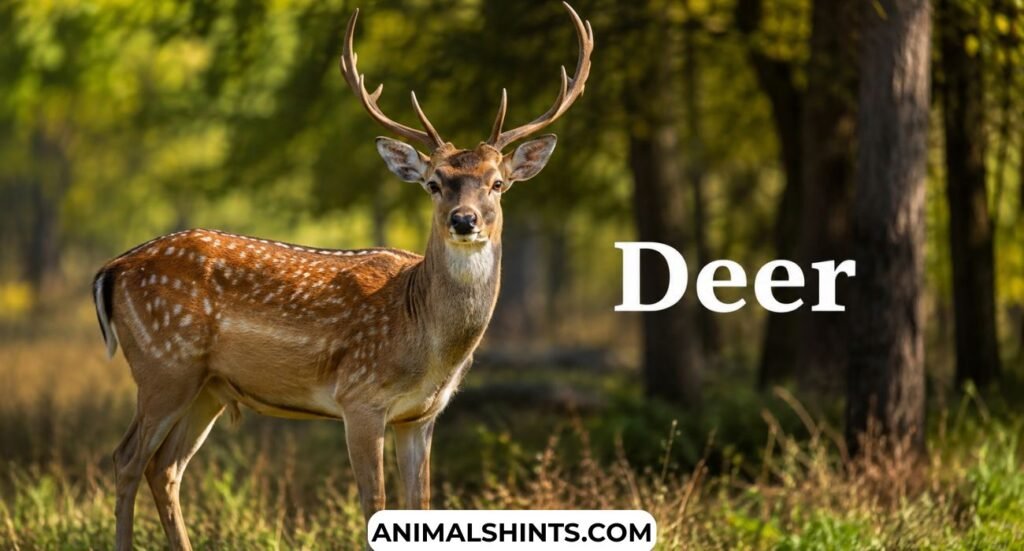
Scientific name: Cervidae
Class: Mammalia
Diet: Herbivore
Deer behavior is characterized by quiet observation and constant vigilance. These graceful creatures are naturally quiet and observant. They rely on keen hearing and sharp eyesight to detect danger from predators like wolves and cougars.
Deer communicate through body language, ear movements, and tail signals. A doe uses subtle movements to communicate with her fawns rather than vocalizing. Their ability to move silently through forests makes them difficult to detect.
The white-tailed deer is the most common species in North America. They have excellent senses, with large ears that can rotate independently to detect the direction of sounds. Despite their impressive hearing, they produce very few sounds themselves.
Deer are herbivores that feed on leaves, twigs, and grasses. They are most active during dawn and dusk, moving through their territory in near silence. This behavior helps them avoid predators and find food without drawing attention.
Koala
Scientific name: Phascolarctos cinereus
Class: Mammalia
Diet: Herbivore
Koala eucalyptus leaves are their primary food source, and these sleepy animals spend up to 22 hours a day resting and eating. Koalas are extremely quiet, only vocalizing during mating season with soft grunts and bellows.
They prefer to be left alone and will not make a sound even when stressed or terrified. This quiet nature makes koalas one of the calm animals in the wildlife kingdom. Their relaxed demeanor and peaceful lifestyle are truly remarkable.
Koalas are marsupials, meaning they carry their young in pouches. A baby koala, called a joey, stays in its mother’s pouch for about six months. After leaving the pouch, it rides on its mother’s back for several more months. Throughout this time, both mother and baby remain silent.
Koalas have specialized digestive systems that can break down the toxins in eucalyptus leaves. They sleep so much because their diet provides very little energy. Their slow, quiet life is an adaptation to their low-energy food source.
Manatee
Scientific name: Trichechus manatus
Class: Mammalia
Diet: Herbivore
Manatee conservation is crucial because these gentle giants face threats from habitat loss and boat collisions. Often called “sea cows,” manatees glide through warm coastal waters without making sound. One researcher described them as evolutionarily devoid of aggression.
Their peaceful, silent nature makes them one of the most tranquil animals in the ocean. Manatees can grow up to 13 feet long and weigh over 1,200 pounds. Despite their size, they move gracefully through the water, grazing on aquatic plants.
Manatees are closely related to elephants and share some of their physical features, such as thick skin and toenails. They have tiny eyes and no external ears, but they can hear well underwater. Their sensitive whiskers help them detect vibrations in the water.
Florida is home to a significant population of West Indian manatees. These gentle creatures migrate to warmer waters during winter months, gathering in springs and power plant discharge canals. Their quiet nature makes them vulnerable to boat strikes, which is why conservation efforts are so important.
Sea Urchins
Scientific name: Echinoidea
Class: Echinoidea
Diet: Omnivore
Sea urchins are spiny marine animals that make no sound at all. They move quietly along the ocean floor, relying on touch and chemical signals to interact with their environment. These animals that make no noise have no vocal cords or sound-producing organs.
Sea urchins have a unique mouth structure called Aristotle’s lantern, which they use to scrape algae from rocks. Despite their complex feeding apparatus, they eat in complete silence. Their spines serve multiple purposes, including defense and movement.
There are about 950 species of sea urchins, found in oceans worldwide. Some species have venomous spines that can cause painful stings. Others have stunning colors that make them beautiful additions to coral reefs.
Moths
Scientific name: Lepidoptera
Class: Insecta
Diet: Herbivore
Moths are among the silent creatures that navigate the night without making a sound. These winged insects are closely related to butterflies but are mostly nocturnal. Their intricate wing patterns provide camouflage against predators.
Some moths have evolved mechanisms for defense, such as the ability to emit ultrasonic sounds to deter predators like bats. However, these sounds are too high for human ears to detect. To us, moths remain completely silent as they flutter through the night.
The atlas moth, one of the largest moth species, has a wingspan of up to ten inches. Despite its size, it moves through the air with remarkable silence. Moths are important pollinators, carrying pollen from flower to flower as they feed on nectar.
Pandas

Scientific name: Ailuropoda melanoleuca
Class: Mammalia
Diet: Herbivore
Giant pandas are gentle giants that primarily eat bamboo. They are known for their playful and peaceful behavior. These gentle creatures spend most of their time quietly eating or sleeping in bamboo forests.
Despite their size, pandas are surprisingly quiet animals. They rarely vocalize, preferring peaceful solitude in bamboo forests. Their black and white coloring provides camouflage in snowy and shady environments.
Pandas were once considered endangered, but conservation efforts have improved their status in recent years. They are still vulnerable to habitat loss. Their gentle, quiet nature makes them symbols of peace and conservation around the world.
Why Are Some Animals Quiet?
Natural Adaptations for Survival
Many quiet animals have evolved silence as a survival strategy. Silent mammals like snow leopards and deer rely on stealth to avoid predators or catch prey. The ability to move without sound gives these stealthy animals a significant advantage in the wild.
Animals that communicate silently use various methods to interact with each other. Body language is one of the most common forms of silent communication. Rabbits use ear positions, deer use tail signals, and snakes use chemical cues to convey messages.
Chemical signals are particularly important for animals that don’t make noise. Many insects and marine creatures rely on pheromones to find mates and warn of danger. These chemical messengers travel through air and water without making any sound.
The Science Behind Silence
Silent animal communication often involves senses other than hearing. Vibration detection is crucial for many quiet creatures. Spiders sense vibrations in their webs, while worms feel vibrations in the soil.
Some quiet creatures simply lack the physical ability to produce sound. Jellyfish, sea urchins, and worms have no vocal cords or sound-producing organs. Their animals with no sound existence is not a choice but a biological fact.
Other animals have evolved to communicate in frequencies beyond human hearing. Bats use echolocation, elephants use infrasound, and whales use low-frequency songs. These sounds are essential for their survival but remain completely hidden from human perception.
Quiet Animals as Pets
Ideal Pets for Apartments
If you’re looking for quiet pets for apartments, consider some of these peaceful options. Goldfish are completely silent and easy to maintain. They add beauty to any space without disturbing the peace.
Rabbits are quiet with minimal vocalization. They communicate through body language and soft sounds. Rabbits can be litter-trained and enjoy human companionship.
Turtles are silent and peaceful companions. They require minimal attention and can live for decades with proper care. Their quiet presence can be very calming.
Hermit crabs are fascinating to observe without making any noise. They are active during the evening and nighttime hours, providing entertainment without disturbing sleep.
Low-Maintenance Choices
Calm animals like these require less attention and create less noise pollution in your home. Their tranquil animals nature makes them perfect for people living in urban environments.
Hamsters are another option for quiet pet lovers. They are active at night but make very little noise. Their exercise wheels can be the only sound they produce.
Guinea pigs are slightly more vocal but still considered quiet pets. They make soft purring sounds when content and gentle wheeking noises when hungry.
Conservation and Protection
Protecting Silent Species
Quiet wildlife conservation often gets overlooked because these creatures don’t demand attention. Manatee conservation is particularly important as these gentle animals face threats from boat strikes and habitat loss.
Gentle animals like koalas and sloths need our protection. Their habitats are disappearing at alarming rates, threatening their quiet existence. Deforestation, climate change, and human development all impact these peaceful creatures.
The snow leopard faces threats from poaching and habitat fragmentation. Conservation organizations are working to protect these magnificent cats and their mountain homes. Their silence makes them difficult to track and protect.
See also: Butterfly landing on you spiritual meaning
Why Silence Matters in Nature
Animals that are shy and quiet and observant play crucial roles in ecosystem balance. They help control populations, pollinate plants, and enrich soil. Understanding and protecting these quietest animals benefits the entire natural world.
Silent predators help maintain balance in their ecosystems. Snow leopards control herbivore populations, while owls keep rodent numbers in check. Without these stealthy animals, ecosystems would quickly become unbalanced.
Peaceful animals like butterflies and bees are essential pollinators. Their silent work ensures that plants reproduce and produce food. Protecting their habitats helps maintain global food security.
FAQ’s
Which animal is most quiet?
The sloth is one of the quietest animals, spending most of its time resting and moving slowly.
It rarely makes loud sounds and usually stays calm and peaceful.
Who is the most shy animal?
The quokka is often considered a shy and gentle animal that avoids danger and unfamiliar situations.
It prefers quiet places where it can feel safe and undisturbed.
What animal is known for being silent?
The owl is famous for its nearly silent flight, thanks to its specially adapted feathers.
This allows it to approach prey without making much noise.
What animal is the most introverted?
The panda is known for its solitary lifestyle and spends much of its time alone.
It usually avoids social groups and prefers peacefully feeding and resting by itself.
Conclusion
Quiet animals show us that nature does not always need loud sounds or fast movements. Animals like sloths, pandas, and owls live calm lives in their own ways. Their quiet behavior helps them rest, hide from danger, and find food. Learning about these animals helps us understand how different creatures survive and live peacefully in nature.
Quiet animals have special habits that make them unique and interesting. Some stay alone, while others use silent movements to avoid danger. Their calm nature can also remind us to respect wildlife and give animals enough space. Every animal has its own role in nature, and even the quietest creatures deserve care and protection.