Fat Animals: 25 Chunky Creatures That Will Melt Your Heart
Chubby animals are animals with round and thick bodies. Some have extra body fat, while others have a naturally wide shape. They live in many different habitats around the world.
Many chubby animals look cute and fun to watch. Each one has special features that help it survive in its own environment. Learning about these animals makes nature more interesting and enjoyable.
Some chubby animals live in cold places and store fat to stay warm. Others have round bodies because of their species and eating habits. Every one of them plays an important role in keeping nature balanced.
Read this too: Animals with shells
Why Are Some Animals Naturally Chunky?
Nature has its reasons for creating thick animals with stocky builds. The blubber layer in marine mammals keeps them warm in freezing waters. For land animals, extra weight often means stored energy for harsh seasons. Some creatures use their size for protection against predators, while others rely on it for buoyancy in water.
These adorable creatures have evolved over millions of years. Their fluffy appearance or rounded shapes often help with thermoregulation—keeping their bodies at the right temperature. Whether it’s a giant panda in bamboo forests or a polar bear in the Arctic environment, each fat animal has a story of adaptation and survival.
List of Fat Animals in The World
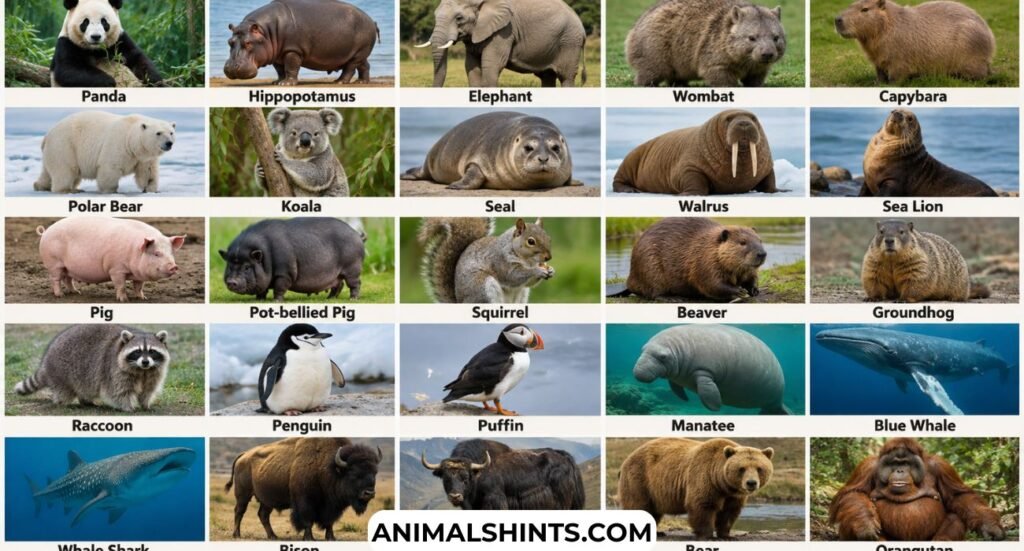
Here are 25 of the most charming chubby animals you’ll ever meet:
| # | Animal Name | Class | Diet |
| 1 | Hippopotamus | Mammalia | Herbivore |
| 2 | Manatee | Mammalia | Herbivore |
| 3 | Seals | Mammalia | Carnivore |
| 4 | Guinea Pig | Mammalia | Herbivore |
| 5 | Whales | Mammalia | Carnivore |
| 6 | Giant Panda | Mammalia | Herbivore |
| 7 | Dolphin | Mammalia | Carnivore |
| 8 | Pallas’s Cat | Mammalia | Carnivore |
| 9 | Rhinoceros | Mammalia | Herbivore |
| 10 | Fat-tailed Lemur | Mammalia | Omnivore |
| 11 | Hedgehog | Mammalia | Omnivore |
| 12 | Elephants | Mammalia | Herbivore |
| 13 | Persian Cat | Mammalia | Carnivore/Omnivore |
| 14 | Gaur | Mammalia | Herbivore |
| 15 | Sea Lions | Mammalia | Carnivore |
| 16 | Capybara | Mammalia | Herbivore |
| 17 | Polar Bears | Mammalia | Carnivore |
| 18 | Red Panda | Mammalia | Herbivore |
| 19 | Wombat | Mammalia | Herbivore |
| 20 | Sea Otter | Mammalia | Carnivore |
| 21 | Hamster | Mammalia | Omnivore |
| 22 | Penguin | Aves | Carnivore |
| 23 | Walrus | Mammalia | Carnivore |
| 24 | Pygmy Goat | Mammalia | Herbivore |
| 25 | Pug | Mammalia | Omnivore |
Hippopotamus
Scientific Name: Hippopotamus amphibius
Class: Mammalia
Diet: Herbivore
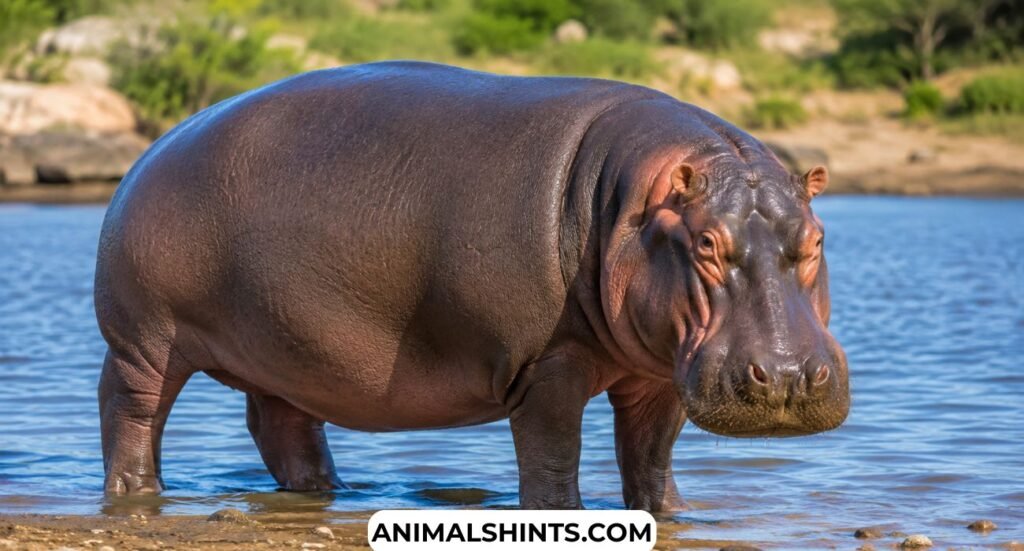
The hippopotamus is one of the most recognizable fat animals in the world. These gentle giants spend most of their time in water, which helps support their massive weight. Their thick skin requires constant moisture, making rivers and lakes their natural homes.
Despite their chunky appearance, hippos are surprisingly fast and agile. They can run up to 19 miles per hour on land. Their herbivorous diet consists mainly of grass, and they can eat up to 80 pounds in a single night. Social behavior is important to hippos, as they live in groups called pods.
Hippos play a crucial role in their ecosystem. Their grazing helps maintain grassland habitats and creates pathways for other animals. Their dung provides nutrients for aquatic marine life, supporting the food chain.
Manatee
Scientific Name: Trichechus
Class: Mammalia
Diet: Herbivore
Manatees are often called sea cows because of their gentle nature and plump bodies. These aquatic mammals can weigh over 1,300 pounds and grow up to 13 feet long. Their rotund bodies help them float effortlessly while they forage for underwater plants.
These adorable creatures are essential for maintaining ecological balance. Their herbivorous diet involves eating large amounts of seagrass, which promotes healthy marine habitats. This grazing activity supports biodiversity by creating space for smaller ocean dwellers.
Manatees face serious threats from boat strikes and habitat loss. Conservation efforts in Florida and other coastal areas are helping protect these gentle giants. Environmental stewardship is vital to ensuring their continued survival.
Seals
Scientific Name: Pinnipedia
Class: Mammalia
Diet: Carnivore
Seals are beloved chunky animals known for their playful antics. Their blubber provides excellent insulation in cold waters, allowing them to thrive in both polar and temperate regions. This layer of fat also serves as an energy reserve during fasting periods.
These marine mammals have fascinating social behavior. They often gather in large groups on beaches and ice floes, creating a spectacle of wriggling round bodies. Their vocalizations range from barks to growls, expressing their unique personalities.
Seals are skilled predators that hunt fish, squid, and crustaceans. Their evolutionary advantage includes excellent underwater vision and sensitive whiskers that detect prey movements. Watching these pinnipeds in their natural habitat reveals the joy of nature’s charm.
Guinea Pig
Scientific Name: Cavia porcellus
Class: Mammalia
Diet: Herbivore
Guinea pigs are popular pocket pets with irresistibly chubby bodies. These furry companions originate from South America but have become beloved household pets worldwide. Their stocky build and soft fur make them perfect cuddle buddies.
These adorable creatures communicate through various sounds. They wheek when excited, purr when content, and chatter when annoyed. Social behavior is essential for guinea pigs, as they thrive in pairs or groups.
Their herbivorous diet consists of hay, fresh vegetables, and pellets. Owners love watching them forage for treats and engage in playful antics. Guinea pigs need proper care to maintain their plump bodies without becoming overweight.
Whales
Class: Mammalia
Diet: Carnivore
Whales are the largest fat animals on Earth. Their massive round bodies are supported by thick blubber that provides insulation in freezing ocean waters. This energy reserve helps them migrate thousands of miles between feeding and breeding grounds.
These gentle giants are highly intelligent marine mammals. Their vocalizations are among the loudest sounds in nature, used for communication and navigation. Different species have unique songs that travel across vast ocean distances.
Whales play a critical role in marine ecosystems. Their grazing on krill and small fish helps maintain ecological balance. Their waste products provide nutrients that support biodiversity at the ocean’s surface.
Giant Panda
Scientific Name: Ailuropoda melanoleuca
Class: Mammalia
Diet: Herbivore
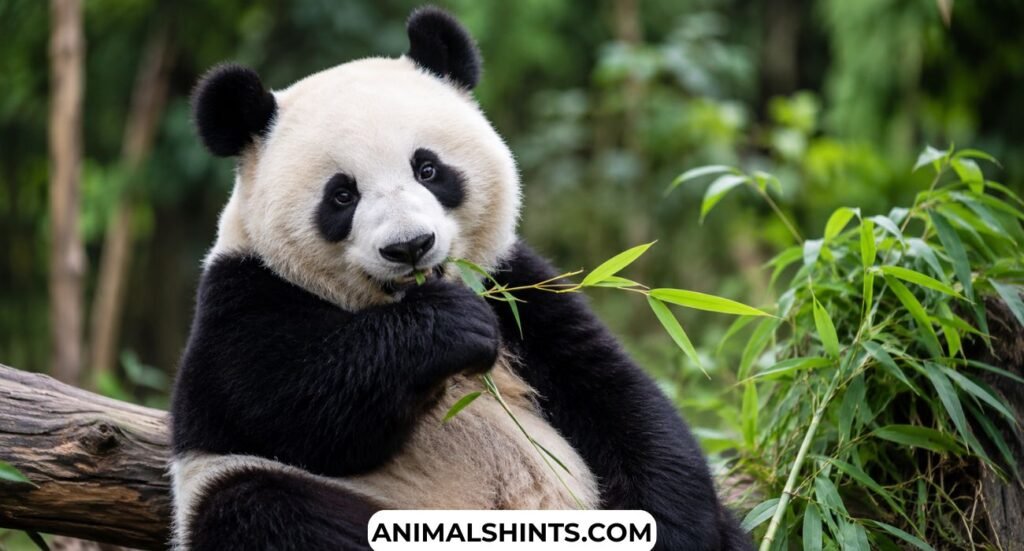
The giant panda is arguably the most famous chubby animal in the world. Its distinctive black-and-white fur and round bodies make it instantly recognizable. These adorable creatures spend most of their time eating bamboo in Chinese bamboo forests.
Despite being carnivores by classification, pandas have a herbivorous diet consisting almost entirely of bamboo. They eat up to 40 pounds daily because bamboo provides low nutrition. This explains their need to forage constantly.
Giant pandas face significant conservation challenges due to habitat loss. Protected reserves and breeding programs are helping increase their numbers. These gentle giants serve as ambassadors for wildlife conservation worldwide.
Dolphin
Class: Mammalia
Diet: Carnivore
Dolphins may look sleek, but their round bodies and playful antics earn them a spot among chubby animals. These marine mammals are incredibly intelligent and social, living in groups called pods. Their buoyancy comes from a layer of fat beneath their skin.
Dolphins use tool-using ability to hunt, sometimes carrying sponges to protect their snouts while foraging. Their vocalizations include clicks, whistles, and squeaks used for communication and echolocation. This helps them locate prey in murky waters.
These ocean dwellers are known for their playful antics with boats and swimmers. Their social structures are complex, with strong familial bonds that last for decades. Watching dolphins leap through waves showcases the beauty of marine life.
Pallas’s Cat
Scientific Name: Otocolobus manul
Class: Mammalia
Diet: Carnivore
Pallas’s cat is one of the fluffiest and chunkiest wild felids you’ll ever see. Its dense, thick fur gives it a round appearance that hides its actual size. These adorable creatures live in the high grasslands of Central Asia.
Their stocky build and fluffy appearance serve practical purposes. The thick coat provides insulation against freezing temperatures. Their short legs keep them low to the ground, perfect for hunting small prey in rocky areas.
Pallas’s cats are solitary hunters with excellent camouflage. Their fur blends perfectly with rocky terrain, making them nearly invisible. Conservation efforts are needed as these fat animals face threats from habitat loss.
Rhinoceros
Class: Mammalia
Diet: Herbivore
Rhinoceroses are massive thick animals with powerful round bodies. Their thick, leathery skin protects them from predators and harsh environments. These gentle giants are often called the gardeners of the savanna.
Rhinoceroses have a herbivorous diet consisting of grass, leaves, and shrubs. Their grazing helps maintain grassland habitats and promotes biodiversity. They create pathways through dense vegetation that benefit other wildlife.
These magnificent creatures face serious threats from poaching. Their horns are highly valued, making conservation efforts critical. Habitat preservation and anti-poaching measures are essential for their survival.
Fat-tailed Lemur
Scientific Name: Cheirogaleus medius
Class: Mammalia
Diet: Omnivore
The fat-tailed lemur gets its name from its unusually plump tail. This tail stores energy reserves that sustain the animal during dry seasons. Found exclusively in Madagascar, these adorable creatures are masters of adaptation.
These omnivores eat fruits, leaves, insects, and small animals. Their round bodies and thick tails make them unique among primates. During lean times, they hibernate in tree holes, living off stored fat.
Fat-tailed lemurs are nocturnal, using their excellent night vision to forage. Their social behavior includes living in small family groups. Habitat loss threatens their existence, making conservation crucial.
Hedgehog
Class: Mammalia
Diet: Omnivore
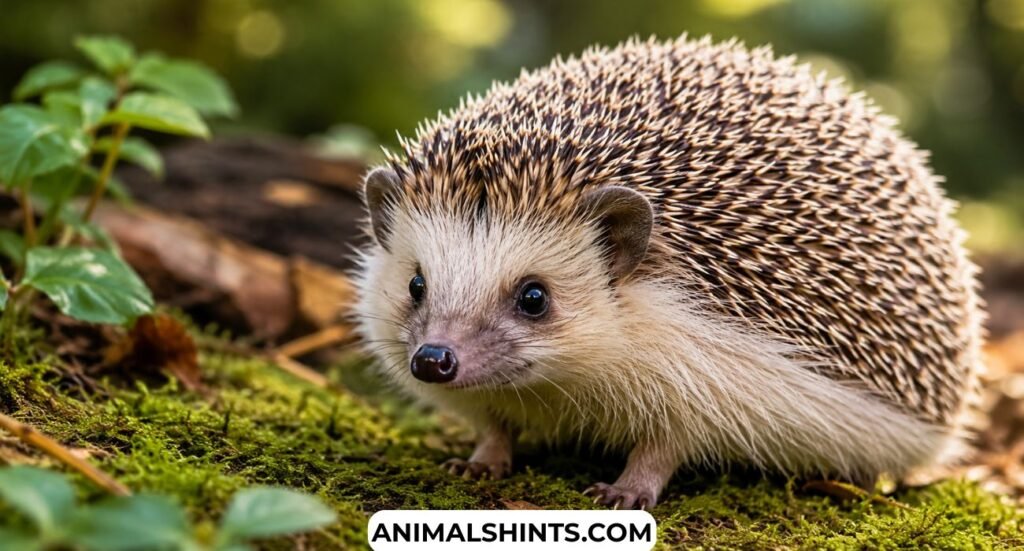
Hedgehogs are small chunky animals covered in spines. When threatened, they curl into tight balls, hiding their faces and round bodies. This defensive behavior makes them look like spiky fat animals.
These adorable creatures are omnivores that eat insects, worms, fruits, and plants. Their burrowing habits help control insect populations in gardens. Hedgehogs are popular exotic pets in many countries.
Hedgehogs have excellent senses of smell and hearing for foraging. They are nocturnal, spending nights searching for prey. Habitat loss and road accidents threaten wild populations.
Read also: The Spiritual Meanings Of Seeing a White Pigeon
Elephants
Class: Mammalia
Diet: Herbivore
Elephants are the largest land fat animals with incredibly stocky builds. Their massive round bodies are supported by powerful legs. These gentle giants are known for their intelligence and strong familial bonds.
Living in matriarchal herds, elephants display complex social behavior. They grieve, play, and communicate through low-frequency sounds. Their round bodies store fat that provides energy reserves during dry seasons.
Elephants are essential for ecosystem health. Their grazing and burrowing activities create water holes and clear pathways. Conservation efforts protect them from poaching and habitat loss.
Persian Cat
Scientific Name: Felis catus
Class: Mammalia
Diet: Carnivore/Omnivore
Persian cats are the ultimate chubby companions with their fluffy appearance and round faces. These furry companions have been beloved pets for centuries. Their stocky build and calm demeanor make them perfect lap cats.
These adorable creatures have a plump appearance due to their thick, luxurious coats. Persian cats are quiet and affectionate, preferring serene environments. Their round bodies require regular grooming to prevent matting.
Persian cats are prone to weight gain, so their diet needs monitoring. These exotic pets thrive with proper care and attention. Their gentle nature makes them ideal furry companions for families.
Gaur
Scientific Name: Bos gaurus
Class: Mammalia
Diet: Herbivore
The gaur, also called Indian bison, is the largest wild cattle species. These thick animals have muscular round bodies and dramatic shoulder humps. Gaurs are incredibly powerful and agile despite their stocky build.
These herbivores live in grassland habitats and forests across Southeast Asia. Gaurs are social animals that travel in herds led by females. Their grazing helps maintain open grassland habitats.
Gaurs face threats from hunting and habitat loss. Conservation programs protect these magnificent bovids. Their survival depends on preserving their natural ranges.
Sea Lions
Class: Mammalia
Diet: Carnivore
Sea lions are delightfully chunky animals with playful personalities. Their round bodies and waddling gait make them entertaining to watch. These marine mammals are agile swimmers despite their plump appearance.
Sea lions have thick blubber for insulation and buoyancy. They use their powerful front flippers to navigate ocean waters. Social behavior is important, as they gather in large colonies on shorelines.
These carnivores feed on fish, squid, and crustaceans. Sea lions are intelligent and trainable, often seen in marine parks. Conservation efforts protect them from pollution and fishing gear entanglement.
Capybara
Scientific Name: Hydrochoerus hydrochaeris
Class: Mammalia
Diet: Herbivore
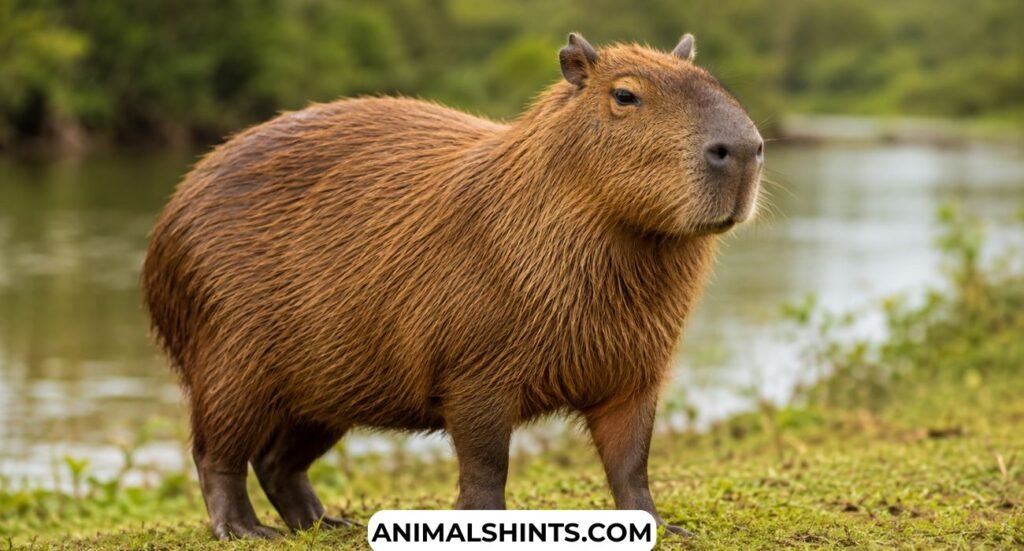
Capybaras are the world’s largest rodents with wonderfully round bodies. These adorable creatures are highly social, living in groups of up to 40 individuals. Their stocky build helps them move through water and dense vegetation.
These semi-aquatic animals have webbed feet for swimming. Capybaras spend much of their time in water, avoiding predators. Their herbivorous diet consists of grasses and aquatic plants.
Capybaras are known for their calm and friendly nature. They often allow other animals, like birds and monkeys, to sit on their backs. These gentle giants are popular in zoos and wildlife parks.
Polar Bears
Scientific Name: Ursus maritimus
Class: Mammalia
Diet: Carnivore
Polar bears are magnificent fat animals adapted for the Arctic environment. Their thick blubber and dense fur provide excellent insulation. These round bodies help them survive extreme cold temperatures.
Polar bears are powerful predators that hunt seals on sea ice. Their camouflage makes them nearly invisible in snowy landscapes. Climate change threatens their habitat as sea ice melts.
Conservation efforts are critical for polar bear survival. Environmental stewardship involves reducing carbon emissions. These gentle giants represent the beauty and fragility of our planet.
Red Panda
Scientific Name: Ailurus fulgens
Class: Mammalia
Diet: Herbivore
Red pandas are undeniably one of the cutest fat animals. Their fluffy appearance and round faces make them internet favorites. These adorable creatures are more closely related to raccoons than giant pandas.
Red pandas have a herbivorous diet primarily consisting of bamboo. They also eat fruits, acorns, and insects. Their stocky build and thick fur help them survive in cool mountain forests.
These adorable creatures are solitary and mostly nocturnal. Habitat loss in the Himalayas threatens their existence. Conservation programs protect these chunky animals and their forest homes.
Wombat
Scientific Name: Vombatus ursinus
Class: Mammalia
Diet: Herbivore
Wombats are chunky marsupials with stocky builds and round bodies. These adorable creatures are native to Australia and are known for burrowing. Their cube-shaped poop is one of nature’s quirkiest facts.
Wombats have a herbivorous diet consisting of grass, roots, and bark. Their burrowing helps aerate soil and benefits other wildlife. These plump animals are nocturnal, resting in underground tunnels during the day.
Wombats are surprisingly fast runners despite their round bodies. Their thick skin and tough rumps protect them from predators. Conservation efforts ensure these unique marsupials continue to thrive.
Sea Otter
Scientific Name: Enhydra lutris
Class: Mammalia
Diet: Carnivore
Sea otters are some of the fluffiest fat animals in the ocean. Their dense fur, up to 1 million strands per square inch, gives them a round appearance. These marine mammals float on their backs while eating and resting.
Sea otters are known for their tool-using ability. They use rocks to crack open shellfish, demonstrating intelligence. These adorable creatures help maintain kelp forests by eating sea urchins.
Sea otters play a crucial role in marine ecosystems. Their predators include sharks and killer whales. Conservation efforts have helped restore populations along the California coast.
Hamster
Class: Mammalia
Diet: Omnivore
Hamsters are classic pocket pets with wonderfully chubby cheeks. These round bodies are designed for storing food in cheek pouches. Hamsters stuff their faces until they look like living balloons.
These adorable creatures are omnivores that eat seeds, fruits, and insects. Their burrowing instincts make them love tunnels and bedding. Hamsters are nocturnal and most active at night.
Hamsters are popular exotic pets for children and families. Their playful antics and small size make them easy to care for. Conservation isn’t needed for domestic breeds, but wild species face habitat loss.
Penguin
Class: Aves
Diet: Carnivore
Penguins are flightless birds with irresistibly chubby bodies. Their round bodies and waddling gait make them endearing. These adorable creatures are built for life in freezing waters.
Penguins have thick blubber and waterproof feathers for insulation. They spend most of their lives in the ocean, hunting fish and krill. Penguins are highly social, living in large colonies called rookeries.
Emperor penguins show incredible parenting dedication. Males incubate eggs during harsh Antarctic winters. Climate change threatens their ice habitat, making conservation essential.
Walrus
Class: Mammalia
Diet: Carnivore
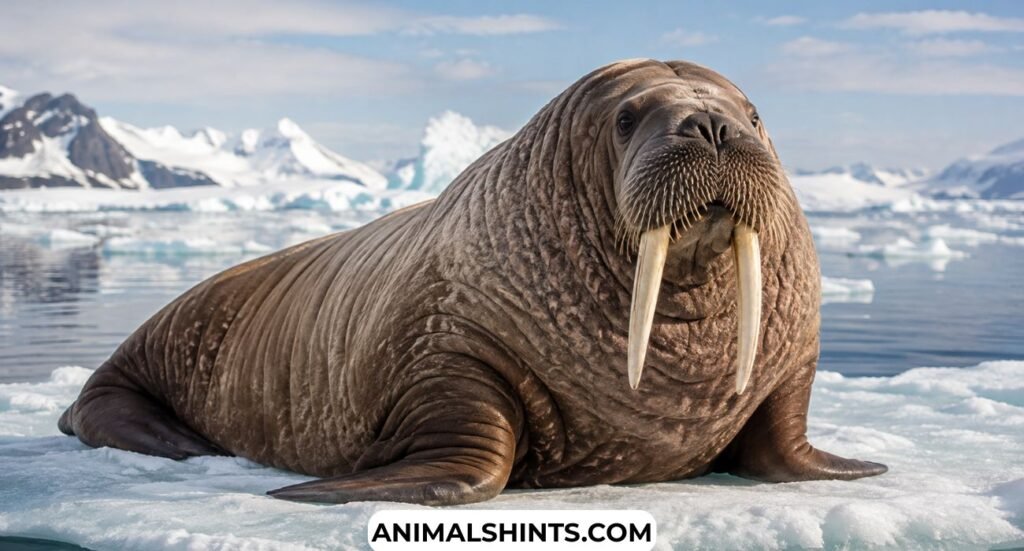
Walruses are massive chunky animals with iconic tusks. Their round bodies are covered in thick, wrinkled skin with sparse hair. Walruses use their tusks for fighting, climbing, and breaking ice.
These marine mammals have extensive blubber layers for insulation. Walruses feed on clams and other prey on the ocean floor. Their whiskers help detect food in murky waters.
Walruses are social animals that gather in large herds. Habitat loss from melting sea ice threatens their survival. Conservation efforts monitor populations in the Arctic environment.
Pygmy Goat
Class: Mammalia
Diet: Herbivore
Pygmy goats are small, stocky fat animals with perpetually round bellies. These adorable creatures are popular in petting zoos and as pets. Their herbivorous diet keeps them constantly foraging.
These gentle giants of the goat world are friendly and curious. Pygmy goats are social and form strong familial bonds. Their grazing helps manage vegetation in pastures.
Pygmy goats are hardy animals adapted to various climates. Conservation isn’t needed, but responsible breeding ensures their health. These plump animals bring joy to children and adults alike.
Pug
Class: Mammalia
Diet: Omnivore
Pugs are one of the most beloved chunky dog breeds. Their round bodies, curly tails, and wrinkled faces make them irresistible. Pugs have been furry companions for centuries, originating in China.
These adorable creatures have a stocky build and charming personalities. Pugs are known for their playful antics and affectionate nature. Their round bodies require careful diet management to prevent obesity.
Pugs are social dogs that thrive on human interaction. Their communication includes snorts, grunts, and barks. Pugs are excellent furry companions for families and individuals alike.
Protecting Our Chunky Creatures
Fat animals play essential roles in maintaining ecological balance. Marine mammals like seals and whales support food chains in the ocean. Land chubby animals like elephants and rhinoceroses shape grassland habitats through grazing.
Habitat loss and climate change threaten many plump animals. Conservation efforts protect endangered species and their homes. Environmental stewardship involves preserving biodiversity for future generations.
Poaching threats remain serious for thick animals like rhinoceroses and elephants. Wildlife conservation organizations work tirelessly to combat illegal hunting. Habitat preservation is vital for survival of these magnificent creatures.
Climate change impacts polar bears and penguins in the Arctic environment and Antarctic wildlife. Reducing carbon emissions helps protect their frozen habitats. Ecological balance depends on our collective efforts.
Animal adaptations showcase nature’s brilliance. From blubber for insulation to camouflage for hunting, each fat animal has unique features. Evolutionary advantage explains why round bodies benefit different species.
Conservation success stories offer hope. Giant panda populations are recovering through dedicated efforts. Sea otter numbers have rebounded along the California coast. Environmental stewardship makes these victories possible.
The Science Behind Chubby Animals
Fat animals have blubber or fat layers for multiple reasons. Insulation keeps them warm in cold environments. Energy reserves sustain them during food shortages. Buoyancy helps aquatic mammals float effortlessly.
Thermoregulation is critical for marine mammals living in cold waters. Their round bodies minimize heat loss through surface area reduction. Adaptation explains why chunky animals thrive in diverse climates.
Herbivorous diet animals like manatees and elephants need large digestive systems. Their plump bodies accommodate lengthy digestive tracts. Grazing animals spend hours foraging to meet nutritional needs.
Carnivores like seals and polar bears store blubber for lean hunting periods. Their round bodies reflect feast-or-famine survival strategies. Prey availability determines their weight fluctuations.
Social behavior influences body shape in many species. Capybaras and sea lions live in groups, benefiting from shared warmth. Familial bonds provide protection and parenting support.
Communication among fat animals often involves vocalizations and body language. Whales sing complex songs across oceans. Seals bark and grunt to express emotions and establish territory.
Where to See Fat Animals in the United States
The United States offers incredible opportunities to observe fat animals in their natural habitats and accredited zoos. Florida’s warm waters host gentle manatees, while California’s coastline is home to playful sea lions and sea otters. Alaska provides a pristine Arctic environment where polar bears roam freely, offering unforgettable wildlife viewing experiences for nature enthusiasts.
American zoos and aquariums play a vital role in wildlife conservation and education. The San Diego Zoo, Smithsonian’s National Zoo, and Monterey Bay Aquarium feature extensive exhibits showcasing chunky animals from around the globe. These institutions support breeding programs for endangered species like giant pandas and red pandas, helping protect biodiversity while allowing visitors to appreciate these adorable creatures up close.
See also: Spiritual Meanings of Birds Flying In Front Of Your Car
Fun Facts About Fat Animals That Will Surprise You
Did you know that wombats produce cube-shaped poop to mark their territory without it rolling away? Or that sea otters hold hands while sleeping to stay together in groups? Capybaras are so social that they often let birds and monkeys ride on their backs, showcasing remarkable social behavior and familial bonds.
Penguins propose to their mates with special pebbles, while elephants display incredible empathy by grieving their lost loved ones. Hippopotamuses produce their own natural sunscreen through a red, oily secretion. Fat animals never cease to amaze with their unique animal adaptations, communication methods, and playful antics that reveal the wonders of nature’s charm.
FAQ’s
What Are Some Examples of Fat Animals?
Examples of fat animals include elephants, hippos, walruses, seals, whales, pigs, and bears. Many store thick layers of fat for warmth, energy, or survival.
What Are Some Chubby Animals?
Chubby animals include pandas, wombats, capybaras, pufferfish, penguins, and manatees. Their round appearance often comes from body shape, fur, or healthy fat reserves.
What Are the Fattiest Animals?
Blue whales, elephant seals, walruses, sperm whales, and polar bears are among the fattiest animals. They carry large amounts of body fat to stay warm and fuel long periods without food.
What Are the 10 Heaviest Animals?
The 10 heaviest animals include the blue whale, fin whale, sperm whale, southern right whale, bowhead whale, humpback whale, whale shark, African elephant, Asian elephant, and hippopotamus. Most of the world’s heaviest animals are large marine species.
Conclusion
Chubby animals come in many shapes and sizes, and each one has special features. Some have thick fat to stay warm, while others have round bodies because of their natural shape. Learning about chubby animals helps us understand how they live, eat, and survive in different places. Every animal has an important role in nature.
Many chubby animals live in forests, oceans, rivers, and grasslands around the world. People should respect and protect these amazing creatures and their homes. When we learn more about animals, we also learn to care for nature. Kind actions and good knowledge help keep wildlife safe for future generations.