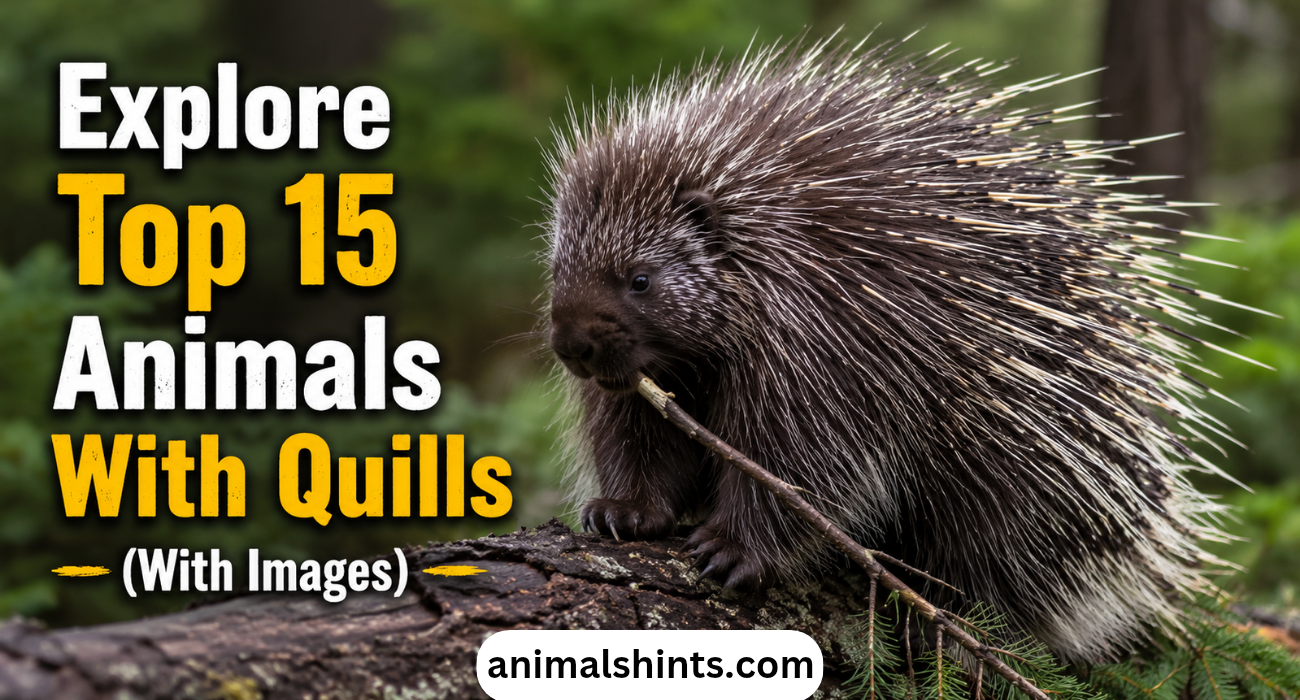
Explore Top 15 Animals With Quills (With Images)
Animals with quills have sharp, stiff hairs on their bodies. These quills help protect them from danger. They use them as a natural defense against predators.
Many people think only porcupines have quills. That is not true. Some other animals also have quills and use them in different ways for safety.
Animals with quills live in forests, grasslands, and deserts around the world. Each species has unique habits and features. Learning about them helps us understand nature better.
Read this too: Animals with no legs
What Makes an Animal “Pointy”?
Pointy animals are creatures that have evolved sharp projections on their bodies. These can be quills, spines, or spikes. Most of these animals use their points for defense mechanisms against predators.
The quills are actually modified hairs made of keratin. This is the same protein found in human fingernails and hair. Some animals have hollow quills, while others have solid spines.
Many of these creatures are nocturnal, meaning they come out at night. This helps them avoid daytime predators. Their habitats range from dense forests to open deserts and even the deep ocean.
Why Do Animals Have Quills?
The main reason animals develop quills is survival. These sharp points serve several important purposes:
- Protection from predators
- Communication with other animals
- Camouflage in their environment
- Temperature regulation in some cases
When threatened, many pointy animals raise their quills to look bigger. Some can even make rattling sounds with their quills to warn attackers. This often scares away predators before an attack happens.
The evolution of quills has been a successful strategy for millions of years. Animals that developed these defenses were more likely to survive and pass on their genes. Today, we see quills in many different species across the world.
15 Pointy Animals That Will Amaze You
Here are some of the most incredible pointy animals found in nature. Each one has adapted its quills or spines for survival in its own unique way.
1. North American Porcupine
The North American Porcupine is one of the most well-known pointy animals in the United States. These creatures can have up to 30,000 quills on their bodies. Each quill has tiny barbs that make them very hard to remove once they stick into something.
These porcupines live in forests across the United States and Canada. They are excellent climbers and spend much of their time in trees. Their diet consists of leaves, bark, and roots.
The quills of the North American Porcupine are not just for defense. They also help with sensory communication and territorial marking. When threatened, they turn their backs toward the attacker and swing their quilled tail.
2. Indian Crested Porcupine
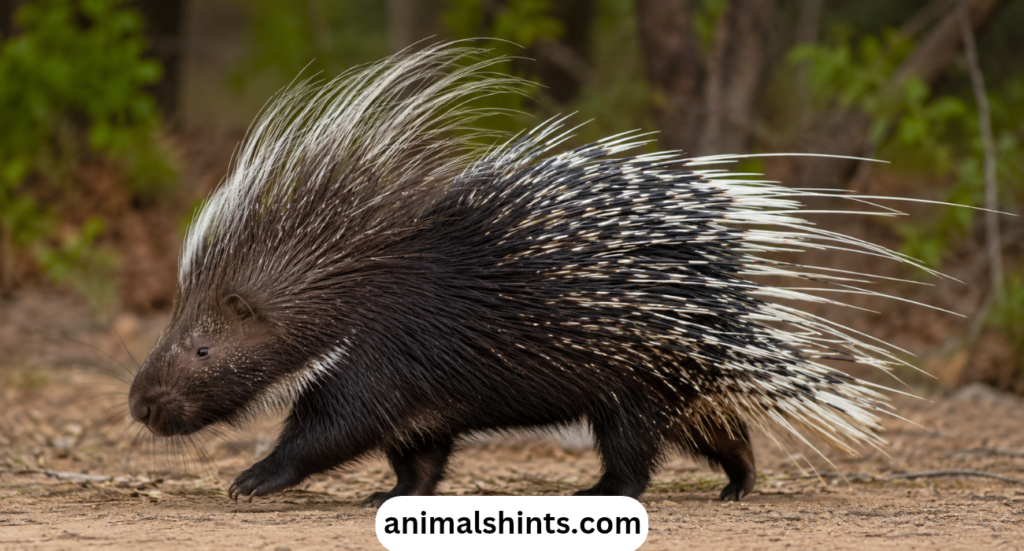
The Indian Crested Porcupine is native to Asia and the Middle East. It has some of the longest quills among all animals with quills. These can grow up to 16 inches long.
These porcupines are herbivore animals that eat roots, tubers, and fruits. They play an important role in seed dispersal within their ecosystems. By eating fruits and spreading seeds, they help forests grow.
Their quills are made of modified hairs that are lightweight yet strong. Unlike some other pointy animals, they cannot shoot their quills. However, the quills detach easily when they come into contact with a predator.
3. African Brush-tailed Porcupine
The African Brush-tailed Porcupine is a fascinating creature found in African forests. Its quills have unique barbed quills that make them especially painful for attackers.
These porcupines are nocturnal and spend their nights foraging for food. They eat fruits, roots, and tree bark. Their feeding habits contribute to forest regeneration in their habitats.
Unlike other porcupines, this species has a distinctive tail with brush-like quills. They use these quills for both defense mechanisms and communication. When threatened, they thump their tails on the ground to make warning sounds.
4. Old World Porcupine
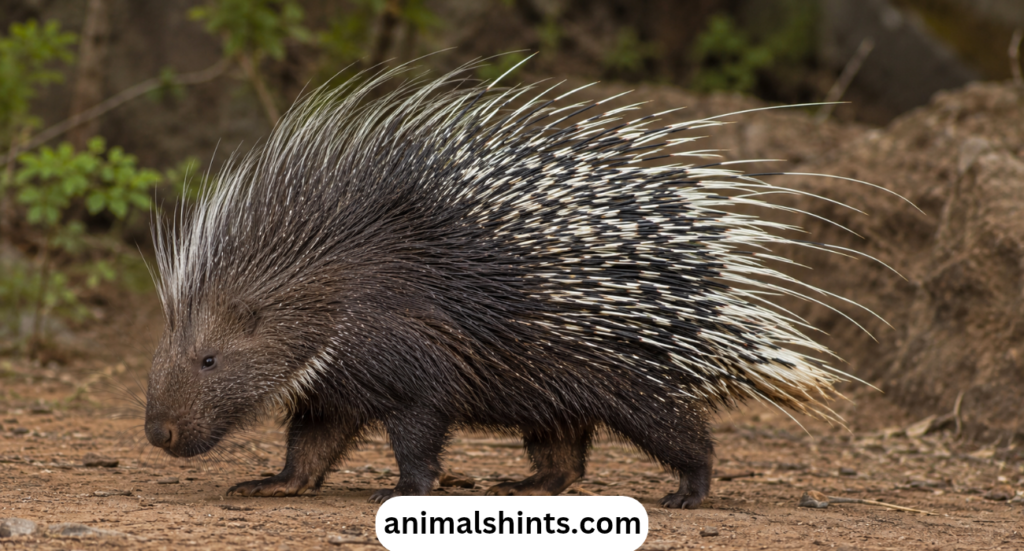
The Old World Porcupine family includes species found across Europe, Asia, and Africa. These pointy animals have quills that are firmly attached to their skin.
Unlike their North American cousins, Old World porcupines cannot easily detach their quills. Instead, their quills are very sharp and can cause serious injury to attackers.
These animals are skilled diggers that create burrow systems for shelter. They are primarily herbivore creatures that eat roots, bark, and leaves. Their strong teeth help them gnaw through tough plant materials.
5. Echidna
The Echidna is one of the most unique pointy animals on Earth. It is a monotreme, which means it lays eggs like a reptile but feeds milk like a mammal. There are only two types of monotremes in the world – the echidna and the platypus.
These fascinating creatures are native to Australia and New Guinea. Their bodies are covered in a mix of fur and sharp quills. The quills serve as excellent defense mechanisms against predators.
Echidnas have an incredible sense of smell. They use their long, sticky tongues to catch ants and termites. Their insectivores diet helps control insect populations in their ecosystems.
6. Short-beaked Echidna
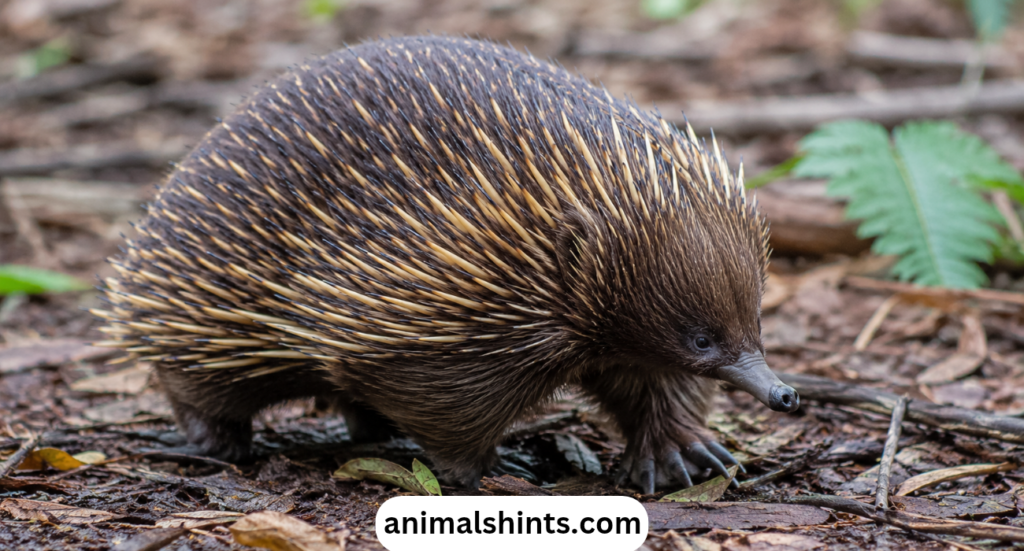
The Short-beaked Echidna is the more common of the two echidna species. These pointy animals can be found throughout Australia, including in deserts and forests.
Their adaptation to various environments shows remarkable resilience. They can survive in arid landscapes where other animals struggle. Their quills help them stay cool by providing shade on their backs.
When threatened, an echidna will curl into a ball or dig straight down into the ground. Only its spiky quills remain visible above the surface. This is an effective predator deterrence strategy.
7. Hedgehogs
Hedgehogs are small, adorable pointy animals that have become popular pets in recent years. They are native to Europe, Asia, and Africa. These little creatures have between 5,000 and 7,000 quills on their bodies.
What makes hedgehogs special is their ability to curl into a tight ball. When they do this, their quills point outward in every direction. This makes it very difficult for predators to attack them.
Hedgehogs have a fascinating behavior called anointing. When they encounter something new or smelly, they will chew it and then spread the saliva on their quills. Scientists believe this helps with scent-marking and communication.
8. Spiny rats
Spiny rats are unique among pointy animals because their quills are softer than those of porcupines. These creatures are found in Central and South America, living in tropical forests.
Their quills are easily detachable, which helps them escape from predators. When attacked, they can lose some quills without serious injury. The quills will eventually grow back through regeneration.
These rats play a vital role in their ecosystems through seed dispersal. They eat fruits and seeds, helping spread plants throughout the forest. This makes them important for ecological role and forest health.
9. Lowland Streaked Tenrec
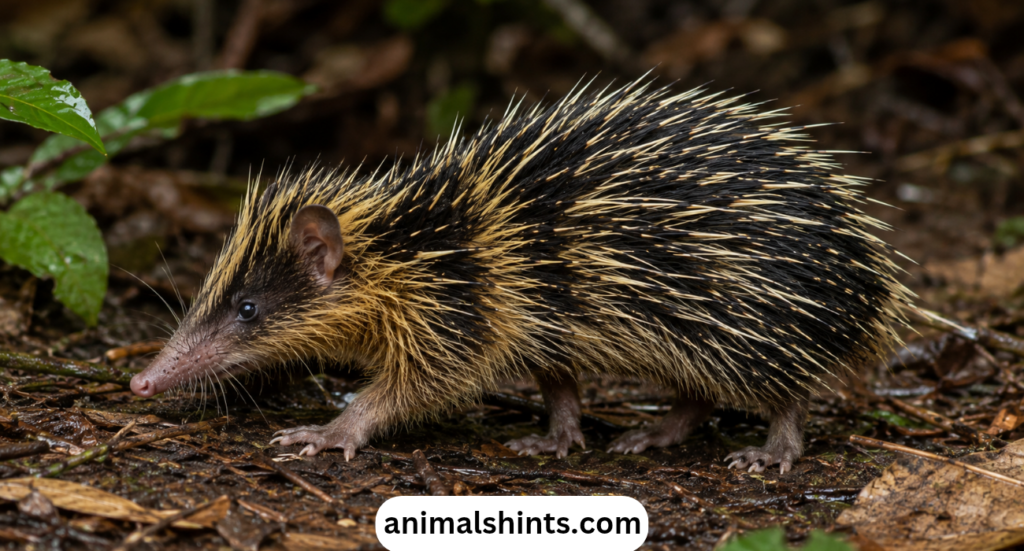
The Lowland Streaked Tenrec is a remarkable pointy animal found only in Madagascar. It looks somewhat like a hedgehog but is actually more closely related to shrews.
What makes this animal truly special is its unusual communication method. It can rub its quills together to create sounds. This is called stridulation, and it helps tenrecs talk to each other.
These pointy animals are active during the day and night. They use their quills for defense mechanisms and for social behavior within their groups. Their agility helps them move quickly through the forest floor.
10. Thorny Devil Lizard
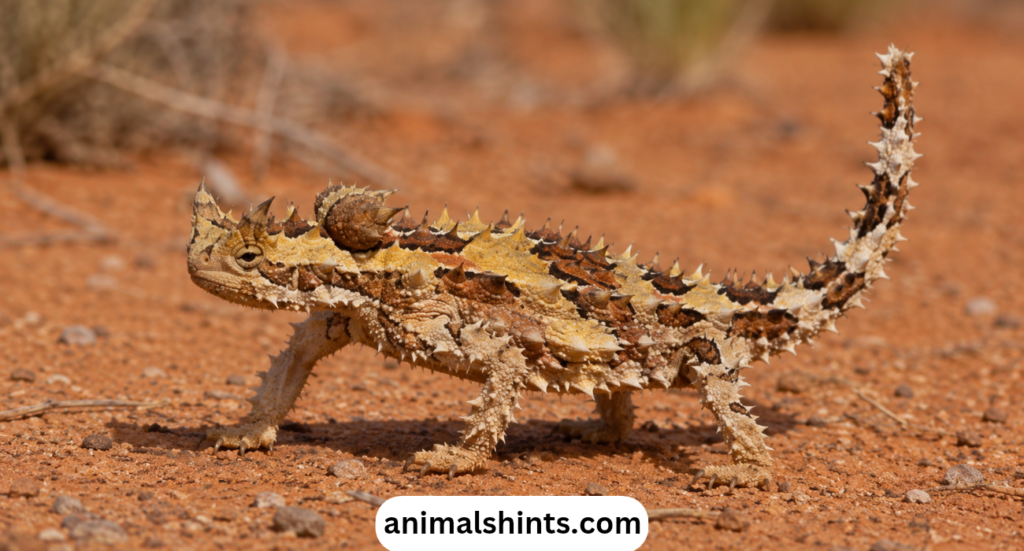
The Thorny Devil Lizard is one of the most unusual pointy animals in the world. It is native to the arid landscapes of Australia. This lizard is covered in spikes from head to tail.
Despite its fearsome appearance, the thorny devil is completely harmless to humans. Its spikes are used for camouflage and predator deterrence. The lizard can also puff itself up to look bigger when threatened.
One amazing adaptation of this lizard is its ability to collect water. Rainwater and dew run along grooves between its spikes directly into its mouth. This survival strategy helps it live in dry environments.
11. Sea Urchin
Sea Urchin species are pointy animals that live in oceans around the world. They are part of the Echinoidea class and have spherical bodies covered in sharp spines.
These spines serve multiple purposes. They help with locomotion across the ocean floor. They also provide excellent defense mechanisms against predators like fish and sea otters.
Some sea urchins have venomous spines that can cause pain to humans. The purple sea urchin along the US Pacific coast is a good example. These creatures are important for marine life and help maintain biodiversity in coral reefs.
12. Pufferfish
The Pufferfish is a unique pointy animal that belongs to the Actinopterygii class. These fish can inflate their bodies when threatened, revealing hidden spines on their skin.
But their quill-like spines are not their only defense. Pufferfish also produce a powerful neurotoxin called tetrodotoxin. This poison makes them one of the most venomous animals in the sea.
Interestingly, pufferfish do not make this toxin themselves. They get it from bacteria in their diet. Some people in Japan eat pufferfish as a delicacy called fugu, but it must be prepared by specially trained chefs.
Read also: Top 30 Energetic Animals
13. Long-spined Sea Urchin
The Long-spined Sea Urchin is a tropical species found in warm oceans, including near US waters. Its spines can grow up to 12 inches long, making it one of the most pointy animals in the ocean.
These sea urchins play a crucial role in coral reef health. They eat algae that can otherwise overgrow and harm coral. Their ecological role helps maintain the balance of marine life.
The spines of this sea urchin are brittle and can break off easily. This helps them escape from predators that try to grab them. The spines will eventually regenerate if broken.
14. Crested Porcupine
The Crested Porcupine is the largest species of porcupine found in Africa and Europe. These pointy animals have a distinctive crest of quills on their head and neck.
When threatened, they can raise these crest quills to make themselves look bigger. They also shake their tail quills to produce a rattling sound. This warning often scares away predators before they attack.
Like other porcupines, crested porcupines are herbivore animals. They eat roots, bulbs, and fruits. Their feeding activities help with seed dispersal and plant growth in their habitats.
15. Porcupine Ray
The Porcupine Ray is a lesser-known pointy animal that lives in the ocean. It is actually a type of stingray with thorny denticles on its tail. These are hard, pointy scales that look similar to quills.
These rays use their thorny tails for defense mechanisms against sharks and other predators. The spines are not true quills but serve the same protective purpose.
Porcupine rays are found in shallow coastal waters around the world. Their spiny skin helps them survive in marine life environments where many predators exist.
How Pointy Animals Defend Themselves
Pointy animals have developed various survival strategies to stay safe. Their defense mechanisms are among the most effective in the animal kingdom.
The Puffing Strategy
Some pointy animals like pufferfish can puff up their bodies. This makes them look much bigger than they really are. The hidden spines on their skin become visible during this process.
This sudden change in size and appearance often surprises predators. The attacker becomes confused and may decide to look for easier prey.
The Curling Strategy
Hedgehogs and some porcupines use the curling strategy. They roll into a tight ball with their quills pointing outward. This creates a spiky fortress that is very hard for predators to penetrate.
This survival strategy protects the animal’s soft underbelly. Only the quills are visible, making the animal look like a prickly ball rather than food.
The Warning Strategy
Many pointy animals give warnings before they attack. They might raise their quills, make sounds, or stamp their feet. These warnings give predators a chance to back away safely.
This is an example of communication in the animal kingdom. The message is clear: “I am dangerous, stay away.” Most predators understand this warning and choose to avoid the confrontation.
Where Do Pointy Animals Live?
Pointy animals can be found in almost every habitat on Earth. Their adaptation to different environments shows the power of evolution.
Forests and Woodlands
Many animals with quills live in forested areas. Porcupines, hedgehogs, and echidnas all make their homes in woodlands. The trees provide shelter and food for these creatures.
The North American Porcupine prefers coniferous forests. These trees give them protection and a steady food supply. They are excellent climbers and often spend their days resting in tree branches.
Arid Deserts
Some pointy animals have adapted to life in the desert. The Thorny Devil Lizard of Australia is a perfect example. Its spiky body helps it survive in extremely dry conditions.
These animals have developed special ways to conserve water. The thorny devil collects water through its skin and channels it to its mouth. This survival strategy is essential for life in arid landscapes.
Ocean Environments
Marine life includes several pointy animals as well. Sea urchins and pufferfish live in oceans around the world. They have adapted their spines to survive underwater.
Coral reefs provide homes for many of these ocean pointy animals. The spines help them attach to rocks and defend against predators like fish and sea turtles.
Rainforests
Tropical rainforests are home to many pointy animals. The Lowland Streaked Tenrec of Madagascar and spiny rats of South America live in these lush environments.
The dense vegetation provides excellent camouflage for these creatures. Their quills help them blend in with the prickly plants found in rainforests.
The Role of Pointy Animals in Ecosystems
Pointy animals play important ecological roles in their environments. Their presence helps maintain healthy ecosystems around the world.
Seed Dispersal Specialists
Many porcupines and spiny rats are excellent seed dispersal agents. They eat fruits and then carry seeds in their digestive systems. When they travel, they drop these seeds in new locations.
This helps plants spread to new areas and increases biodiversity. Without these pointy animals, many forest plants would struggle to reproduce.
Pest Controllers
Insectivores like hedgehogs and echidnas help control insect populations. They eat large numbers of ants, termites, and other pests. This keeps the insect populations in balance.
In agricultural areas, hedgehogs can be very helpful. They eat insects that might otherwise damage crops. This natural pest control is valuable for farmers.
Habitat Engineers
Some pointy animals help shape their environments. Porcupines prune trees by eating bark and branches. This can create gaps in the forest that allow new plants to grow.
Sea urchins graze on algae in coral reefs. Without them, algae would overgrow and smother the coral. Their ecological role helps maintain healthy marine life ecosystems.
Conservation of Pointy Animals
Many pointy animals face serious threats today. Habitat loss and poaching are the biggest dangers. Protecting these unique creatures is essential for biodiversity.
Habitat Loss
Forests are being cut down all over the world. This destroys the homes of many pointy animals. As their habitats shrink, their populations decline.
Urban development also threatens these creatures. Roads, buildings, and farms replace natural areas. This forces pointy animals into smaller spaces where they struggle to survive.
Poaching and Hunting
Some pointy animals are hunted for their quills or meat. African porcupines and other species face pressure from poaching. In some places, people hunt them for food or traditional medicine.
Even hedgehogs face threats from the pet trade. While they are popular pets, wild populations can suffer when too many are captured. Responsible pet ownership is important to protect wild populations.
What You Can Do
There are simple ways to help pointy animals:
- Support conservation organizations that protect wildlife
- Learn about local pointy animals and their needs
- Don’t disturb these animals if you see them in the wild
- Advocate for protected natural areas and wildlife corridors
- Be careful when driving in areas where porcupines or hedgehogs live
Fascinating Facts About Pointy Animals
Here are some amazing facts about the world of pointy animals:
- A porcupine has about 30,000 quills on its body
- Echidnas are one of only two monotreme mammals in the world
- Pufferfish toxin is 1,200 times stronger than cyanide
- Sea urchins can regrow lost spines through regeneration
- Hedgehogs have natural immunity to some snake venoms
- The Thorny Devil Lizard can change its color for camouflage
- Spiny rats are important for forest regeneration in the Amazon
- Lowland Streaked Tenrecs are found only in Madagascar
Adaptations Beyond Quills
While quills are important, pointy animals have many other amazing adaptations:
Sensory Abilities
Many of these creatures have incredible senses. Echidnas can detect the electrical signals of insects. This helps them find food underground.
Hedgehogs have excellent hearing and smell. These senses help them find food and avoid predators at night when they are active.
Defensive Behaviors
Beyond their quills, these animals have other survival strategies. Some porcupines can release a foul smell when threatened. Others make loud noises to scare away attackers.
These behaviors show how evolution has created multiple ways to stay safe. No single adaptation is enough on its own.
Physical Adaptations
Pointy animals often have strong teeth for gnawing. Porcupines and spiny rats need these teeth to eat tough plant materials.
Many of these creatures have specialized feet for climbing or digging. These physical features help them find food and escape danger.
The Future of Pointy Animals
The future of pointy animals depends on our actions today. Conservation efforts are making a difference in many places.
Protected Areas
National parks and nature reserves provide safe homes for these creatures. Protected areas allow populations to recover and grow. The North American Porcupine benefits from protected forests in the United States.
Zoos also play a role in conservation. Many zoos have breeding programs for endangered species. These programs help maintain healthy populations of pointy animals.
Climate Change Impact
Climate change affects pointy animals in different ways. Some species struggle with changing temperatures and weather patterns. Others may benefit from milder winters.
Understanding these effects helps scientists develop better conservation plans. Protecting biodiversity is essential as climate conditions shift.
Public Education
Teaching people about pointy animals helps protect them. When people understand these creatures, they are more likely to support conservation efforts.
Educational programs in schools and nature centers make a difference. They help the next generation appreciate the importance of biodiversity.
How Pointy Animals Communicate With Each Other
Pointy animals use more than just their quills for defense. These clever creatures have developed fascinating ways to talk to each other using their spikes. Some species make rustling sounds by shaking their quills, warning others about nearby dangers.
Other pointy animals use scent marking to leave messages for their friends and rivals. Hedgehogs practice anointing, where they spread saliva on their quills to share information about their environment. This unique communication method helps them survive and thrive in the wild.
See also: The Spiritual Meanings Of Seeing A Possum
The Surprising Benefits of Having Quills
Quills do much more than just protect animals from predators. These amazing structures help pointy animals stay cool in hot weather by providing shade on their backs. Some species use their quills to trap air, which keeps them warm during cold nights.
Many pointy animals also use their quills for balance and stability while moving through trees or rocky areas. The quills act like tiny grappling hooks, giving them extra grip on slippery surfaces. This multi-purpose adaptation shows how evolution creates incredible solutions for survival.
FAQ’s
What animal is pointy?
The porcupine is one of the pointiest animals because its body is covered with sharp quills. Hedgehogs and echidnas are also known for their pointed spines.
What animals are kind of pointy?
Animals like hedgehogs, pangolins, armadillos, and porcupines have pointed features or protective coverings. Some fish, such as pufferfish, also become pointy when threatened.
What are some spiky animals?
Porcupines, hedgehogs, echidnas, pufferfish, lionfish, and thorny devils are common spiky animals. Their spikes help protect them from predators.
What animal has a pointy face?
The fox is well known for its pointy face and long, narrow snout. Shrews, anteaters, and aardvarks also have pointed faces that help them find food.
Conclusion
Pointy animals come in many shapes and sizes. Some have sharp quills, while others have pointed noses, horns, or spikes. These special features help them stay safe, find food, or live in their natural homes. Learning about pointy animals helps us understand how different species survive and why every animal has an important place in nature.
Many pointy animals also show the amazing variety of the animal kingdom. From porcupines and hedgehogs to foxes and lionfish, each animal has unique traits and behaviors. By respecting wildlife and protecting natural habitats, we help these wonderful creatures continue to live and thrive for future generations.